Jeju Island
Jeju Island has held the status of a Special Self-Governing Province in South Korea since 2006. While the provided search results confirm this designation…
What is the significance of Jeju Island’s status as a Special Self-Governing Province?
Jeju Island has held the status of a Special Self-Governing Province in South Korea since 2006. While the provided search results confirm this designation, they do not detail the specific administrative or legislative powers granted by this unique status compared to other provinces.12
Generally, South Korea is divided into nine provinces (do) and several metropolitan cities, all of which feature popularly elected legislative councils and governors. Jeju’s designation as a “special” province distinguishes it within this administrative framework, though the specific legal implications of this autonomy are not elaborated upon in the available documentation.21
Historically, the island has served as a distinct political and cultural center, dating back to its time as the independent kingdom of Tamna. Following its provincial status established in 1946, it has evolved into a major hub for tourism, agriculture, and international transit.13
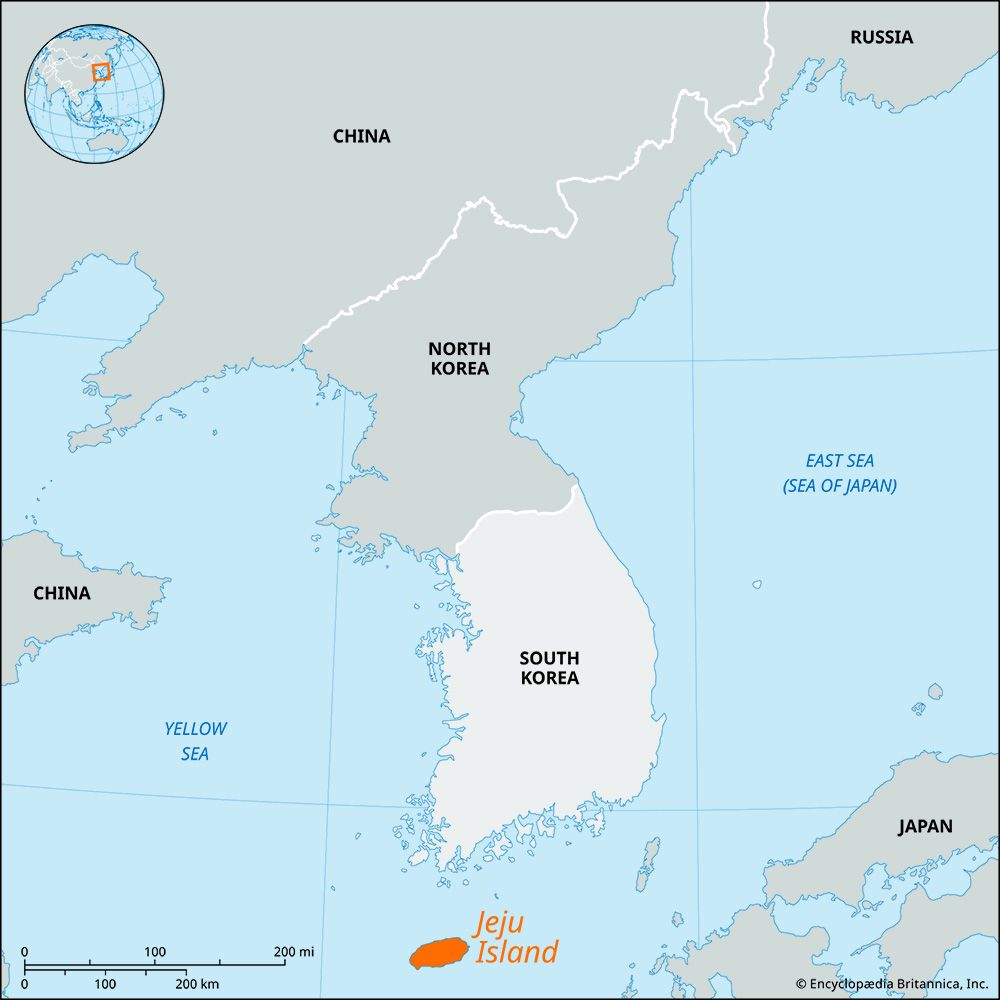
What is the geographical location and size of Jeju Island?
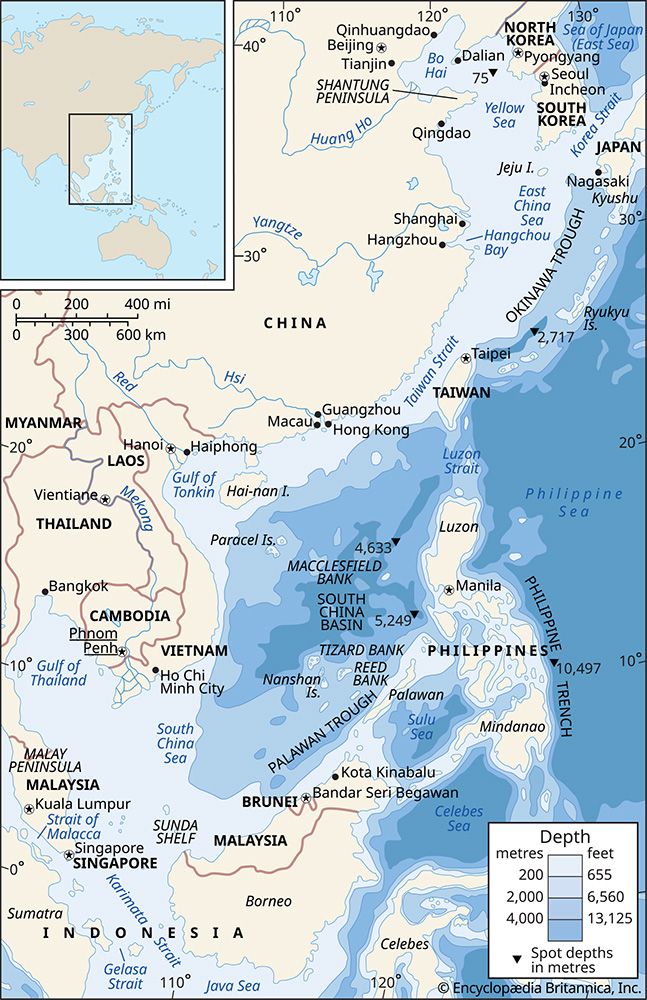
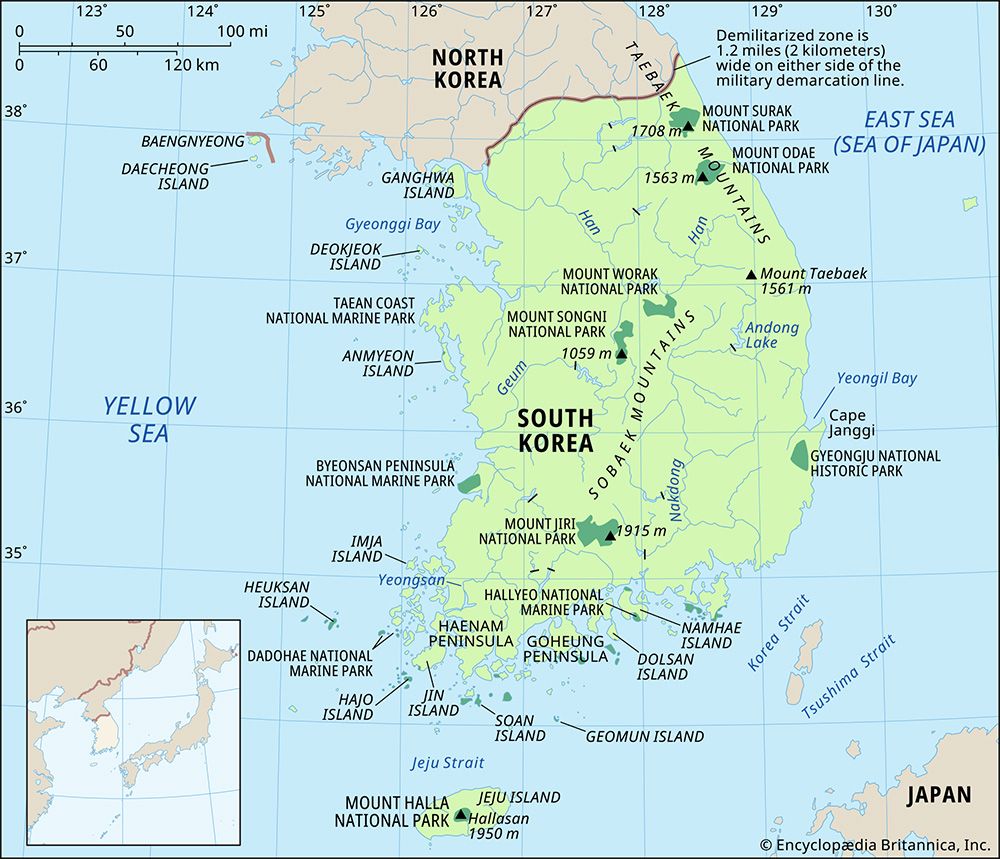
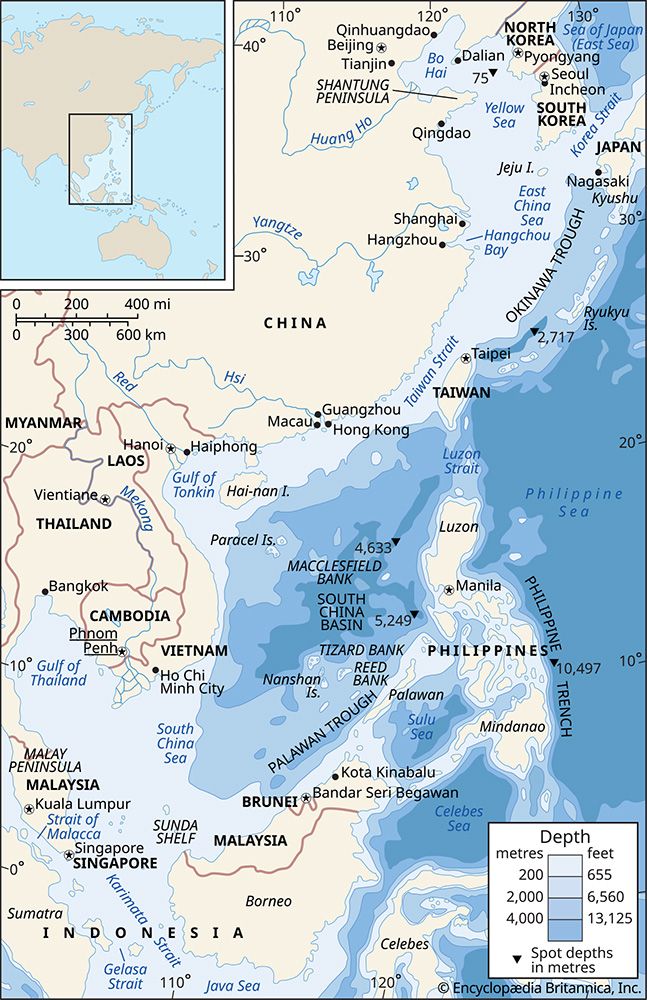
Jeju Island is located in the East China Sea, situated approximately 60 miles (100 km) southwest of South Jeolla province in South Korea.1
The island is oval in shape and measures 40 miles (64 km) from east to west and 16 miles (26 km) from north to south. Including 26 small associated islands, the total area covers 714 square miles (1,849 square km).1
What is the historical significance of Jeju Island, including its role during World War II and the Korean War?
Jeju Island’s history is marked by its transition from the independent kingdom of Tamna to a strategic and often turbulent province of South Korea.
Following World War II, the island became a focal point of intense political unrest due to opposition against the planned division of the Korean peninsula. This tension culminated in a major rebellion led by leftist guerrillas on April 3, 1948, shortly before South Korea’s first general election. Government security forces suppressed the uprising by 1949, though sporadic fighting persisted into the early 1950s.
This period of conflict resulted in significant loss of life; decades later, an official investigation estimated that more than 25,000 people were killed. The government has since apologized for abuses committed by its forces during the suppression of the uprising, and the role of the U.S. military in these events remains a subject of historical debate. While the island was not a primary theater of conventional combat during the Korean War, its post-WWII instability profoundly shaped its modern identity.1
What are the unique cultural aspects of Jeju Island that set it apart from mainland South Korea?
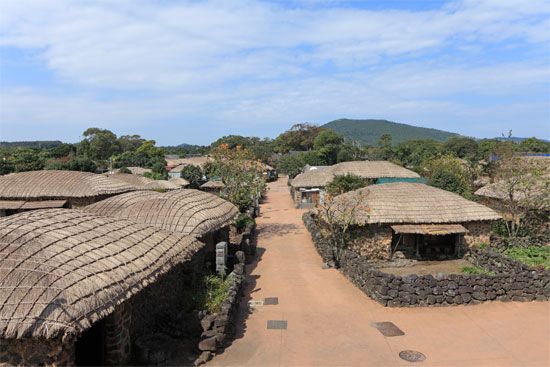
Jeju Island possesses a distinct cultural identity shaped by its history as the independent kingdom of Tamna, which remained autonomous until 938 CE. This heritage is reflected in local legends, such as the Samseong-hyeol (“Caves of the Three Clans”), which tells of the progenitors of the island’s founding families emerging from the ground.1
Several unique aspects distinguish Jeju from mainland South Korea:
- Haenyeo: The island is famous for its haenyeo, or “sea women,” who are skilled divers that traditionally gather seaweed and shellfish from the ocean without modern breathing equipment.3
- Historical Isolation: During the Goryeo and Joseon dynasties, the island served as a place of political exile, which contributed to its unique social development.3
- Specialized Crafts: The local economy has long utilized marine resources, such as a specific species of clam that provides mother-of-pearl for traditional inlaid lacquerware.3
- Autonomous Status: Today, Jeju is a special autonomous province, a status it has held since 1946, reflecting its distinct administrative and cultural position within the nation.3
Sources
- Jeju Island — Encyclopædia Britannica
- South Korea - Local government — Encyclopædia Britannica
- Jeju — Encyclopædia Britannica
Published on · 3 min read