Joshua Tree National Park
Joshua Tree National Park is defined by its striking geological contrasts, which serve as a dramatic backdrop for its unique desert ecosystem. The park is…
What are the unique geological features that make Joshua Tree National Park special?
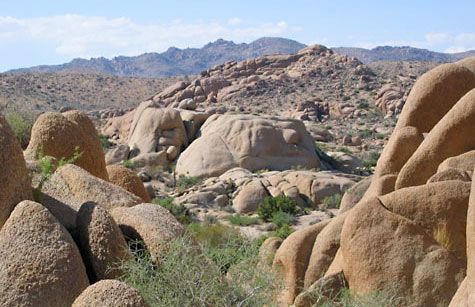
Joshua Tree National Park is defined by its striking geological contrasts, which serve as a dramatic backdrop for its unique desert ecosystem. The park is characterized by rugged, bare-rock ridges composed of gneiss and massive granite boulders that create a distinct and iconic landscape.1
The park’s geography is shaped by the convergence of two distinct desert environments:
- The Mojave Desert: Located in the western portion of the park at elevations above 3,000 feet (900 meters), this area is bordered by the Little San Bernardino Mountains, which reach heights of approximately 4,250 feet (1,300 meters).1
- The Colorado Desert: The eastern half of the park sits at a lower elevation and features the Pinto Basin, a low-lying area ringed by mountains.1
Additionally, the park contains five desert fan palm oases, where water surfacing near the ground supports native vegetation, providing a vital contrast to the otherwise arid, high-temperature environment.1
What types of ecosystems can be found in Joshua Tree National Park?
Joshua Tree National Park is defined by the convergence of two distinct desert ecosystems, each characterized by unique elevations, climates, and plant life.1
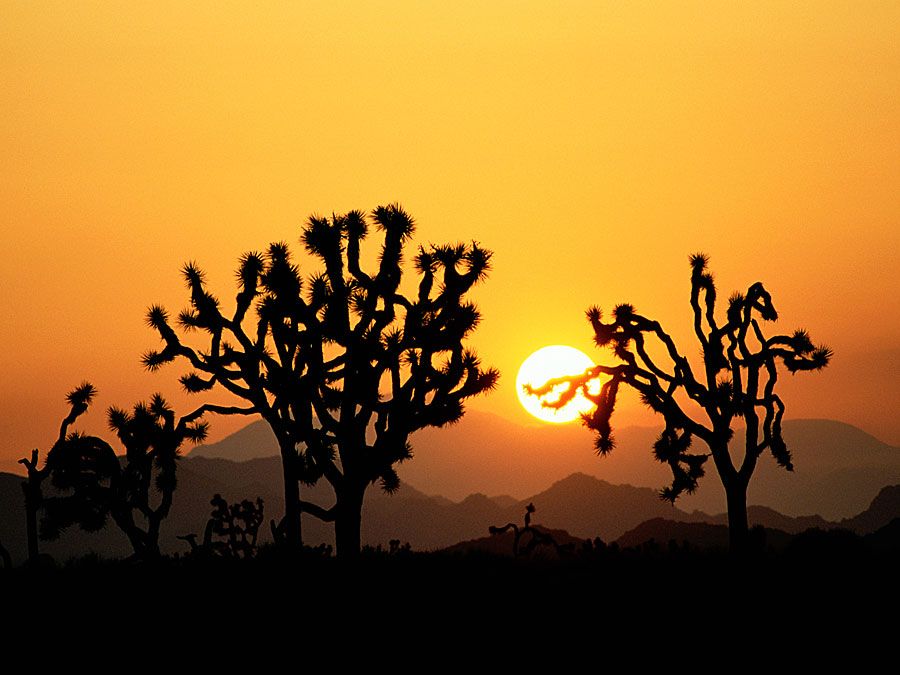
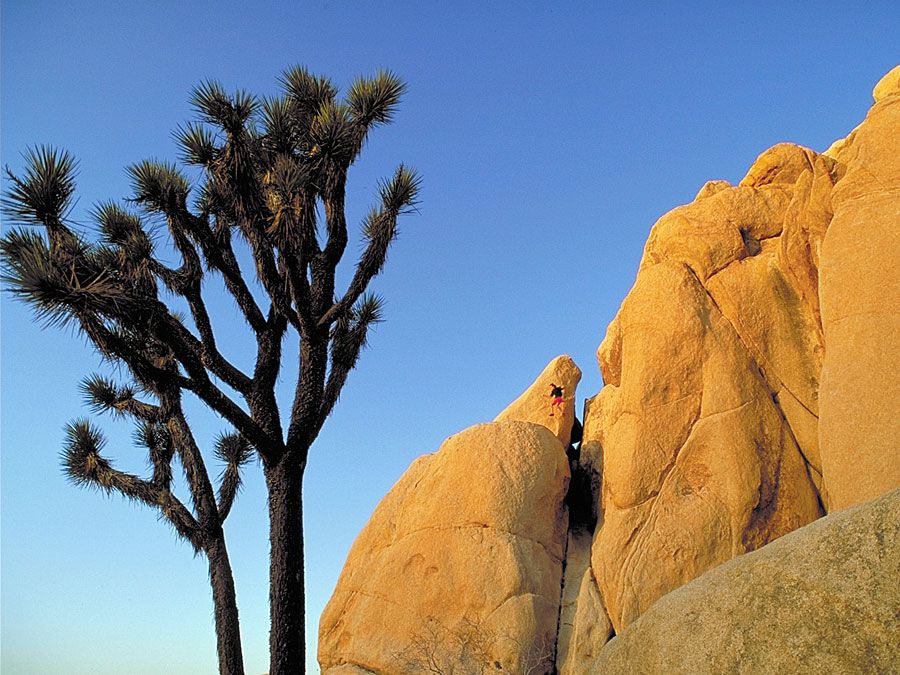
- The Mojave Desert: Occupying the western portion of the park at elevations above 3,000 feet (900 meters), this ecosystem is cooler and features extensive stands of the iconic Joshua tree.1
- The Colorado Desert: Located in the lower-lying eastern half of the park, this ecosystem is drier and warmer. It is dominated by creosote bushes, along with cholla cactus and spidery ocotillo.1
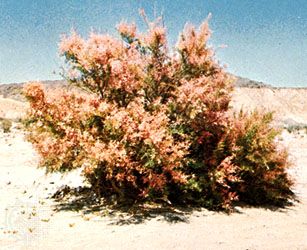
In addition to these primary desert zones, the park contains five desert fan palm oases. These specialized micro-ecosystems occur where water reaches the surface, supporting native trees and providing a stark contrast to the surrounding arid landscape. While the park is a protected wilderness, it faces environmental pressures from urban development, including smog and the spread of invasive species like the tamarisk, which can disrupt these delicate desert habitats.1
What is the size of Joshua Tree National Park and how does it compare to other national parks in California?
Joshua Tree National Park covers an area of 1,234 square miles (3,196 square km).1
When compared to other national parks in California, it is significantly smaller than Death Valley National Park, which is the largest national park in the contiguous United States, spanning approximately 5,270 square miles (13,650 square km).6
When was Joshua Tree National Park established, and what led to its designation as a national park?
Joshua Tree National Park was established as a national monument in 1936 and was later redesignated as a national park in 1994.1
While the provided text notes the park’s formal establishment dates, it does not explicitly detail the specific legislative or advocacy efforts that led to its initial designation. However, the area is recognized for its significant ecological value, specifically its unique desert plant life—most notably the Joshua tree—and its dramatic geological formations, such as its rugged gneiss ridges and granite boulders. These features, along with its role as a biosphere reserve (designated by UNESCO in 1984), underscore the importance of protecting its diverse desert habitats.1
Sources
- Joshua Tree National Park — Encyclopædia Britannica
- Joshua Tree National Park — Merriam-Webster
- Joshua tree: Top Questions — Encyclopædia Britannica
- North American Desert - Plant life — Encyclopædia Britannica
- Mojave Desert — Encyclopædia Britannica
- Death Valley National Park — Encyclopædia Britannica
Published on · 3 min read