Biosphere Reserve
A biosphere reserve is a protected area of terrestrial, marine, or coastal ecosystems managed to conserve biodiversity while demonstrating how humans can…
What is a biosphere reserve?
A biosphere reserve is a protected area of terrestrial, marine, or coastal ecosystems managed to conserve biodiversity while demonstrating how humans can live in balance with their environment. Designated by UNESCO under its Man and the Biosphere Programme, these sites serve as “learning places for sustainable development” where researchers and local communities collaborate to solve environmental challenges.1
To manage these goals, reserves are typically organized into three concentric zones:
- Core Area: The most protected zone, where human interference is strictly limited or prohibited to preserve ecosystems and genetic variation.1
- Buffer Zones: Areas surrounding the core that permit activities like scientific research, monitoring, and education that follow sound ecological practices.1
- Transition Area: The outermost zone, which allows for more intensive human activities, such as small-scale agriculture, forestry, and fishing, provided they support sociocultural well-being and sustainability.1
By the early 2020s, there were nearly 750 reserves across more than 130 countries, including several transboundary sites that span international borders.1
Why are biosphere reserves important for the environment?
Biosphere reserves are vital to the environment because they function as “learning places for sustainable development,” where researchers and local communities collaborate to manage biodiversity and resolve conflicts between human activity and nature.1
These reserves are essential for several reasons:
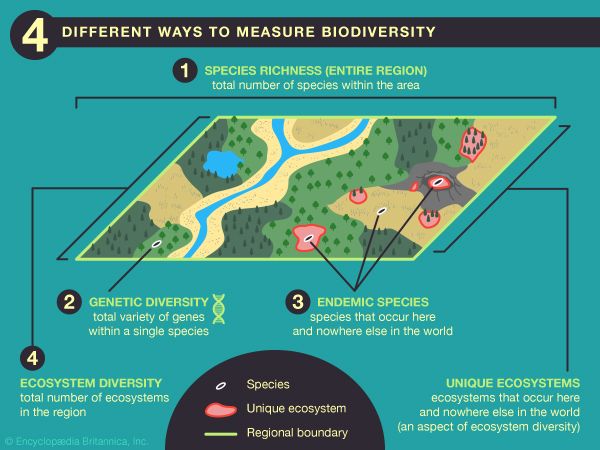
- Conservation of Biodiversity: The core areas provide strict protection for ecosystems, landscapes, and the genetic variation of species, ensuring the preservation of natural habitats.1
- Living Laboratories: They serve as a global network of sites that model connections between humans and the environment, allowing for the development of innovative solutions to contemporary environmental problems.1
- Sustainable Resource Management: By utilizing buffer and transition zones, these reserves demonstrate how natural resources can be used through sound ecological practices, such as small-scale agriculture and selective forestry, while promoting sociocultural well-being.1
- Global Cooperation: Through UNESCO’s Man and the Biosphere Programme, these sites foster international cooperation and technical assistance, covering over 5 percent of Earth’s surface.1
What zones make up a biosphere reserve?
Biosphere reserves are typically organized into three concentric zones, each governed by specific conservation and economic regulations to balance human activity with environmental protection:1
- Core Area: This central zone features the most stringent protections. Human interference is often severely restricted or entirely prohibited to ensure the preservation of ecosystems, landscapes, and genetic diversity.1
- Buffer Zones: Located surrounding or adjoining the core, these areas permit activities that align with sound ecological practices. This includes scientific research, environmental monitoring, and educational programs.1
- Transition Area: This outermost zone allows for more intensive human activities, such as small-scale agriculture, forestry, and fishing. These activities are permitted provided they support sustainable economic practices and the sociocultural well-being of local communities, which often include small settlements that collaborate with the reserve’s management.1
How do biosphere reserves help protect plants and animals?
Biosphere reserves protect plants and animals by serving as managed ecosystems that prioritize the conservation of biological communities and genetic diversity. They contribute to the stability of these environments through a structured, three-zone management approach:1
- Core Areas: These central zones provide the strictest protections, often prohibiting human interference to ensure that species and their habitats remain undisturbed.1
- Buffer and Transition Zones: These surrounding areas allow for scientific research and monitoring, which provide essential data on species status and population trends. By managing human activity—such as sustainable agriculture and forestry—these zones help insulate endangered species from external threats like habitat destruction.12
By keeping populations in close proximity, these reserves facilitate reproduction and help curb population declines. Furthermore, they act as “living laboratories” where researchers develop innovative solutions to environmental challenges, ensuring that conservation efforts remain informed by the most current scientific knowledge.21
Sources
- biosphere reserve — Encyclopædia Britannica
- endangered species - Species assessment and management — Encyclopædia Britannica
Published on · 3 min read