Junco
A Junco is a small sparrow belonging to the genus Junco within the family Emberizidae. These birds typically measure about 15 cm (6 inches) in length and are…
What is Junco?
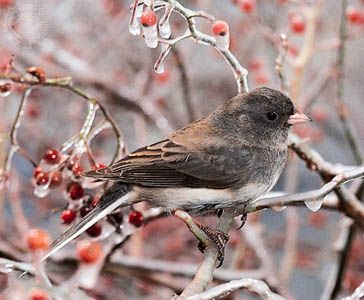
A Junco is a small sparrow belonging to the genus Junco within the family Emberizidae. These birds typically measure about 15 cm (6 inches) in length and are characterized by their pinkish bills and white outer tail feathers, which are visible during flight. While their coloration varies, they are generally shades of gray.1
Juncos are widely distributed across North America, ranging from Alaska and Canada down to Georgia and northern Mexico. They are commonly found in coniferous or mixed forests, though they frequently inhabit city parks, thickets, and fields. A notable species is the dark-eyed junco, often referred to as a “snowbird” in the eastern United States due to its migratory patterns.1
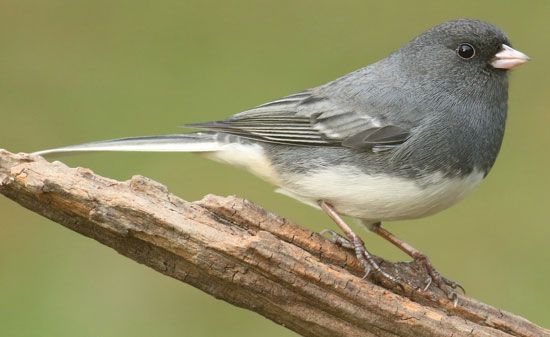
Why are juncos often called snowbirds?
Juncos, specifically the dark-eyed junco (Junco hyemalis), are frequently called “snowbirds” in the eastern United States because they are common winter migrants in that region.1
These birds breed across Canada and in the Appalachian Mountains during the warmer months, but as winter approaches, they migrate southward into the United States. Their arrival in these areas often coincides with the onset of colder weather and winter conditions, leading to their popular association with snow.1
What other types of birds belong to the sparrow family?
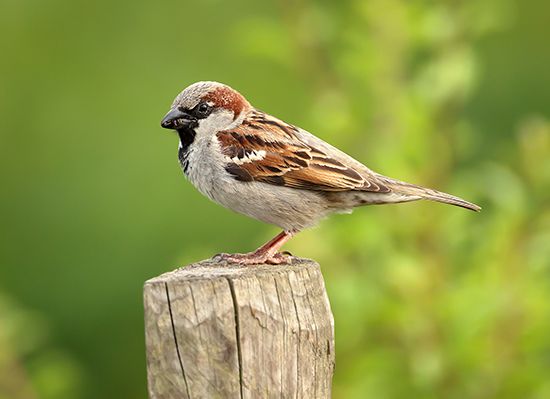
The term “sparrow” is applied to two distinct groups of birds. True sparrows belong to the Old World family Passeridae, most notably the house sparrow (Passer domesticus).2
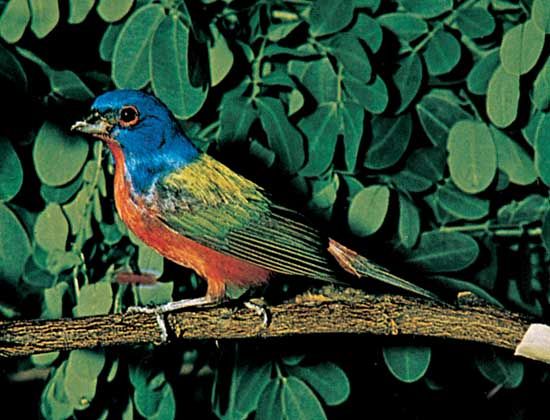
In the New World, the name is most commonly applied to members of the family Emberizidae. This diverse family includes nearly 200 species of seed-eating songbirds, which, depending on the classification, also encompass buntings, towhees, and brush finches.3
Examples of New World emberizid sparrows include:
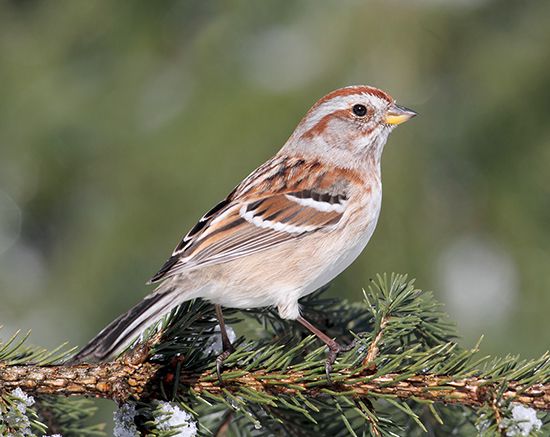
- Cap-marked species: Chipping sparrow and tree sparrow.2
- Streaked field species: Savanna sparrow and vesper sparrow.2
- Woodland species: Song sparrow and fox sparrow.2
- Striped-crown species: White-crowned sparrow and white-throated sparrow.2
- Wide-ranging species: The rufous-collared sparrow, found from Mexico to Tierra del Fuego.2
How do birds adapt to survive in cold winter climates?
Birds employ a variety of physiological and behavioral strategies to survive in cold winter climates, ranging from migration to specialized physical adaptations.
Migration
Many bird species avoid harsh winter conditions by migrating to warmer regions. This process is triggered by internal physiological changes, such as the accumulation of body fat to provide energy, which are regulated by the endocrine system in response to decreasing day length and dwindling food sources in autumn.5
Insulation and Thermoregulation
Birds are homeothermic, meaning they maintain a stable body temperature through active metabolic means. Their plumage is critical for this, as down feathers (plumules) provide a thick, insulating undercovering that conserves body heat. When exposed to severe cold, birds may induce shivering in their muscles to generate heat, as they lack the heat-producing brown adipose tissue found in mammals.67
Energy Conservation
Some birds conserve energy through torpor, a state of dormancy where metabolic rates drop significantly. For instance, some species may enter a state of hibernation or exhibit circadian torpor to survive periods when food is unavailable. Cold-tolerant birds may also adjust their basal metabolic rates to avoid hypothermia.86
Sources
- Junco — Encyclopædia Britannica
- Sparrow — Encyclopædia Britannica
- Emberizidae — Encyclopædia Britannica
- sparrow — Merriam-Webster
- How do birds know when to fly south? — Encyclopædia Britannica
- Dormancy - Energy conservation — Encyclopædia Britannica
- Thermoreception - Birds — Encyclopædia Britannica
- Plumage — Encyclopædia Britannica
- Integument - Birds — Encyclopædia Britannica
Published on · 2 min read