Jute
Jute is a versatile bast fibre valued for its strength and low cost. Because it is resistant to stretching, it is widely used in the production of durable…
What are the main products made from jute fibers?
Jute is a versatile bast fibre valued for its strength and low cost. Because it is resistant to stretching, it is widely used in the production of durable goods, including:
- Packaging Materials: The primary use of jute is for sacks, bags, packs, and wrappings. Finer quality jute fabric is commonly known as burlap or hessian, which is used to store and transport agricultural commodities like grain, sugar, flour, and animal feed.12
- Floor Coverings: Jute is frequently used to create mats, prayer rugs, and as a backing material for tufted carpets and hooked rugs.1
- Cordage: The fibre is commonly processed into various types of twine and rough cordage.12
Once the jute fibres are extracted through retting and converted into yarn, they can be woven, knitted, or braided into these finished products.1
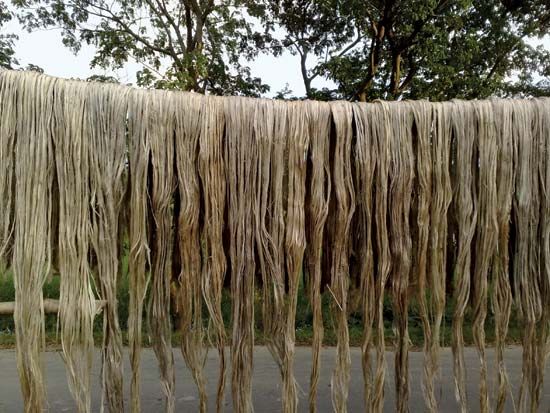
How is jute being used in modern eco-friendly packaging solutions?
Jute is a highly sustainable, natural bast fibre that serves as a key material in eco-friendly packaging. Because it is biodegradable and renewable, it is increasingly favored as a durable, low-cost alternative to synthetic materials for transporting and storing various commodities.1
In modern packaging, jute is primarily utilized in the following ways:
- Bulk Storage and Transport: Jute is woven into sacks, bags, and packs used to ship agricultural products such as grain, sugar, flour, fruits, vegetables, and animal feed.1
- Durable Wrappings: Its high resistance to stretching and inherent strength make it an ideal material for protective wrappings for industrial and agricultural goods.1
- Burlap (Hessian): Finer quality jute fabric, known as burlap, is widely used for eco-conscious packaging solutions that require a balance of flexibility and robustness.1
The production process—involving retting to extract fibres from the stem—is a traditional method that remains relevant today for creating environmentally responsible, plant-based packaging materials.1
What is jute and where is it primarily cultivated?
Jute refers to two species of plants in the mallow family (Corchorus capsularis and C. olitorius) and the bast fibre obtained from their stems. It is an herbaceous annual that grows best in warm, humid climates with consistent rainfall, typically reaching heights of 10 to 12 feet.1
The plant is primarily cultivated on the Indian subcontinent, specifically in the Bengal region of India and in [Bangladesh], where it has been grown since ancient times. Beyond this region, jute is also cultivated in China and Brazil.1
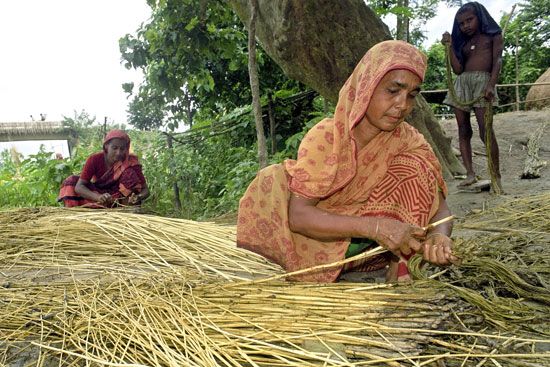
The fibre is extracted through a process called retting, where stems are submerged in water to break down gummy tissues. Once processed into yarn, it is valued for its strength and resistance to stretching, making it a primary material for burlap, sacks, cordage, and carpet backing.1
What are the botanical characteristics of the jute plant?
The jute plant comprises two species of the genus Corchorus—C. capsularis (white jute) and C. olitorius (tossa or daisee jute)—both of which belong to the mallow family (Malvaceae).13
Botanically, the jute plant is an herbaceous annual characterized by the following features:
- Growth Habit: It grows to an average height of 10 to 12 feet (3 to 3.6 metres) with a slender, cylindrical stalk approximately the thickness of a finger.1
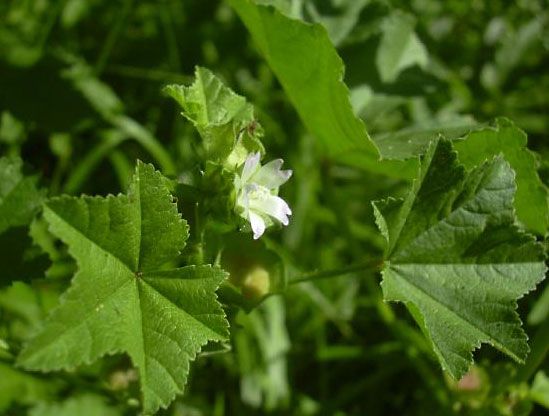
- Leaves: The plant features light green leaves that are 4 to 6 inches (10 to 15 cm) long and about 2 inches (5 cm) wide. These leaves taper to a point and have serrated edges.1
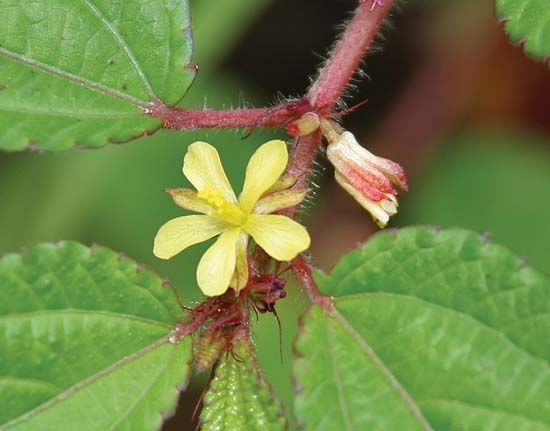
- Flowers: The plant produces small yellow flowers.1
- Fibre Structure: The valuable bast fibre is located beneath the bark, surrounding the woody central part of the stem. These fibre strands generally run the entire length of the stalk.1
- Species Differentiation: While the two species are similar, they differ in their growth habits, the shape of their seed pods, and specific fibre characteristics.1
Sources
Published on · 3 min read