Mallow
Mallow plants belong to the Malvaceae family, which includes a diverse range of species often noted for their attractive flowers and utility as ornamentals…
What are some well-known species of mallow plants?
Mallow plants belong to the Malvaceae family, which includes a diverse range of species often noted for their attractive flowers and utility as ornamentals or sources of fiber.12
Well-known species include:
- Hibiscus species: This group includes the great rose mallow, the soldier rose mallow, and the common, or swamp, rose mallow.
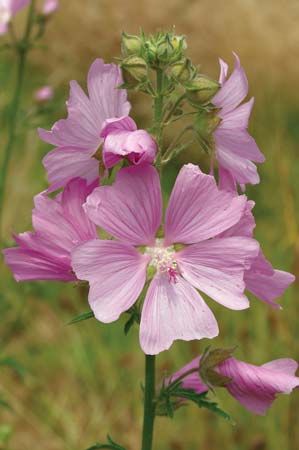
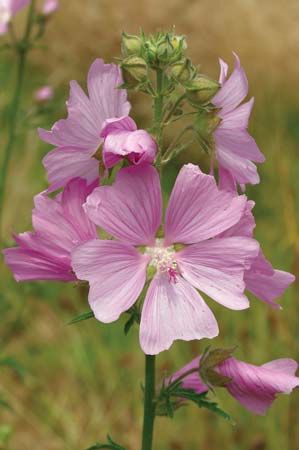
- Malva species: Popular garden varieties include the musk mallow (M. moschata) and high mallow (M. sylvestris).
- Marsh mallow (Althaea officinalis): A perennial herb historically used to make marshmallow confections.13
- Tree mallow (Lavatera arborea): A tall, biennial plant native to Europe.14
- Globe mallows (Sphaeralcea): Such as the prairie, red false, or scarlet globe mallow.
- Other notable mallows: These include the poppy mallow, wax mallow, Indian mallow, and Jew’s mallow.1
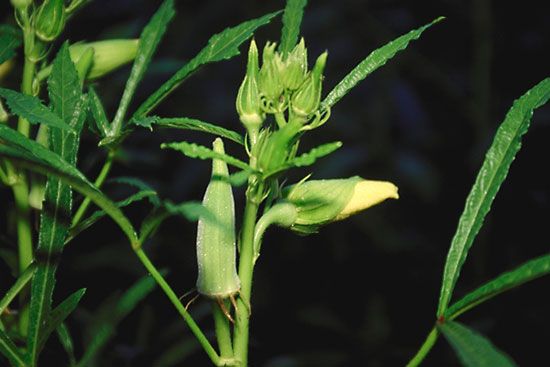
What are the common characteristics of mallow plants?
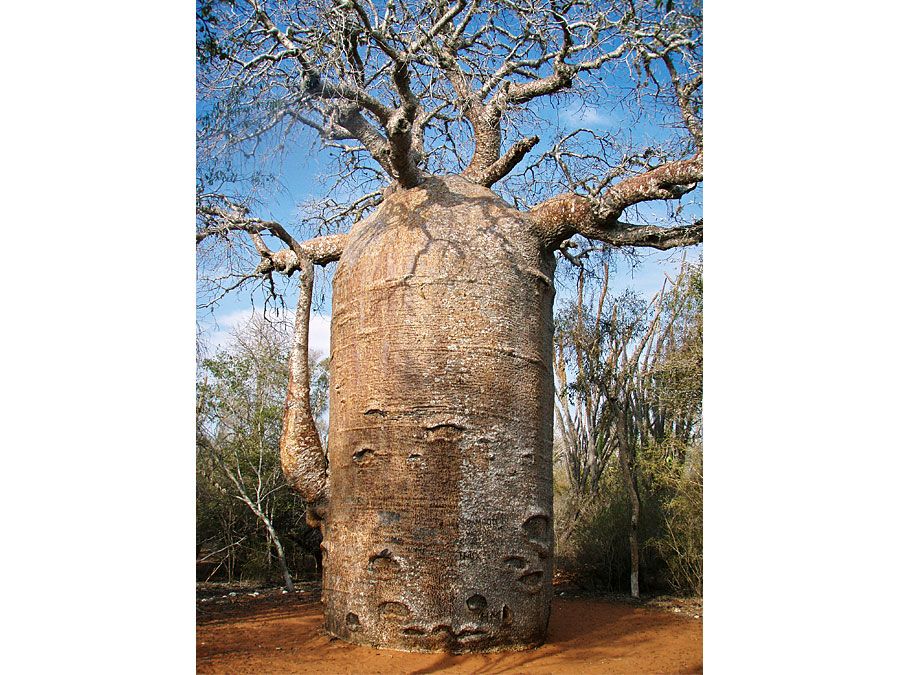
Mallow plants belong to the Malvaceae family, which is part of the Malvales order. While they vary in habit—ranging from herbaceous plants to shrubs and trees—they share several distinct botanical characteristics.67
Vegetative Features
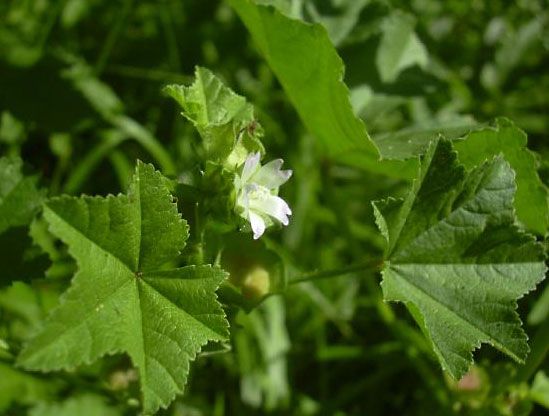
- Leaves: Often feature palmate venation and a swollen petiole apex. They can be lobed, heart-shaped, or oval, and are sometimes downy or hairy.521
- Bark and Stems: Many members possess bands of fibers in the phloem, resulting in bark that is characteristically stringy, fibrous, and tough.5
- Internal Chemistry: Mucilage cells are common throughout the plants.5
Floral and Seed Anatomy
- Flowers: Typically feature numerous stamens that develop from initial primordia. The sepals often meet edge-to-edge (valvate), while the petals usually overlap (contorted).5
- Seeds: The seed coat is distinctive, featuring a layer of thickened, palisade-like cells. The capsule is often spiny, and the interior or the seeds themselves are frequently hairy, with hairs appearing in groups, scalelike, or stellate.5
How are mallow plants used in traditional medicine and culinary applications?
Mallow plants have a long history of use in both traditional medicine and culinary practices.
Traditional Medicine
The marsh mallow (Althaea officinalis) is perhaps the most notable in this regard. Historically, its root sap was used to create a versatile medicinal syrup and ointment. Additionally, the leaves and flowers of the high mallow (Malva sylvestris) have been utilized for their medicinal properties.21
Culinary Applications
The most famous culinary connection to the family is the marshmallow confection. Originally, this treat was crafted using the root sap of the marsh mallow plant, combined with sugar and egg white. While modern commercial marshmallows are now produced using ingredients like corn syrup, dextrose, gelatin, and egg albumen, the name remains a direct link to the plant’s historical use as a base for the aerated candy.2
Are there any mallow species that are considered invasive or problematic?
Several species within the Malvaceae family are recognized for their tendency to spread or behave as weeds in certain environments. While many mallows are cultivated for their ornamental or practical value, others are noted for their invasive or problematic nature:
- Indian mallow (Abutilon theophrasti): Often referred to as velvetleaf, this species is explicitly categorized as a weedy plant.1
- Tree mallow (Lavatera arborea): Native to Europe, this plant has become naturalized along the coast of California, where it can spread beyond its intended garden settings.1
- Marsh mallow (Althaea officinalis): Although valued for its historical medicinal and culinary uses, it is an introduced species that has become naturalized in North America, particularly in marshy coastal areas.12
- Carolina mallow (Modiola caroliniana): This creeping wildflower found in the southern United States is also classified as a weedy species.1
Sources
- mallow — Encyclopædia Britannica
- marsh mallow — Encyclopædia Britannica
- Malvales - Malvaceae , Cistaceae, and Muntingiaceae — Encyclopædia Britannica
- list of economically important members of the family Malvaceae — Encyclopædia Britannica
- tree mallow — Encyclopædia Britannica
- Malvales - Common characteristics — Encyclopædia Britannica
- Malvales — Encyclopædia Britannica
- marshmallow — Encyclopædia Britannica
- list of plants in the family Malvaceae — Encyclopædia Britannica
Published on · 3 min read