Kama River
The Kama River is a major waterway in west-central Russia. Rising in the Upper Kama Upland of Udmurtia, it flows for 1,122 miles (1,805 km) before joining…
What is Kama River?
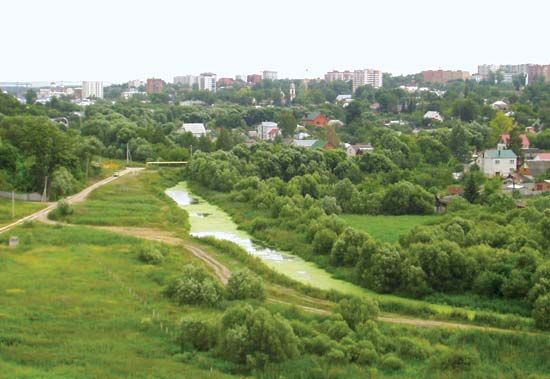
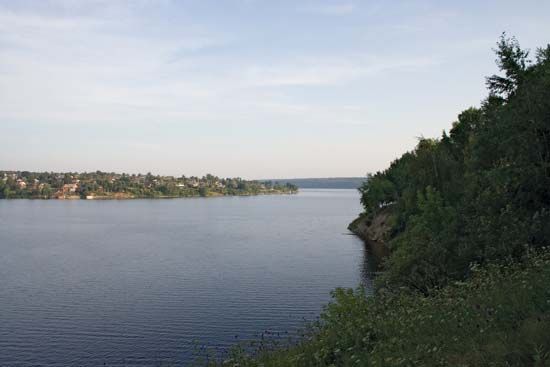
The Kama River is a major waterway in west-central Russia. Rising in the Upper Kama Upland of Udmurtia, it flows for 1,122 miles (1,805 km) before joining the Volga River near Kazan.1
Historically, the river served as a vital route to the Ural Mountains and Siberia. Economically, it remains a crucial component of the Volga waterway system, supporting significant hydroelectric infrastructure with large stations located at Perm, Chaykovsky, and Nizhnekamsk. The river’s flow is heavily influenced by snowmelt, which accounts for nearly 60 percent of its annual volume, and it typically remains frozen from late autumn until April.1
How does the Volga River compare to the Kama River?
The Volga River and the Kama River are intrinsically linked as part of a vast, integrated waterway system in Russia. While the Volga is the primary river, the Kama serves as its most significant tributary.12
Key Comparisons
- Relationship: The Volga is divided into three sections, with the middle section ending at its confluence with the Kama. Upon receiving the Kama’s waters near Kazan, the Volga transforms into a much larger, “mighty” river for the remainder of its journey to the Caspian Sea.2
- Infrastructure: Both rivers have been heavily modified by human engineering. The Volga features eight major hydroelectric stations, while the Kama features three. The massive Samara Reservoir serves both, impounding the Volga’s waters and backing up the Kama for approximately 375 miles.3
- Scale: The Kama drains a basin of 202,000 square miles and flows for 1,122 miles. In contrast, the Volga is the longest river in Europe, ultimately forming the largest delta in Russia.12
What role did the Kama River play in the expansion into Siberia?
The Kama River served as a critical historical gateway for Russian expansion into the Ural Mountains and Siberia. By providing a navigable water route deep into the interior of the continent, it functioned as the primary artery for explorers, traders, and settlers moving eastward from the central Russian heartland.1
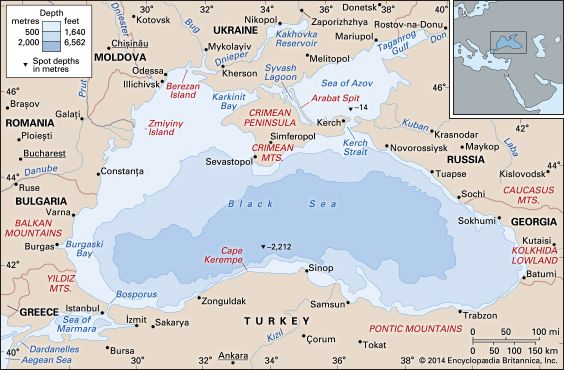
Beyond its role in early exploration, the river’s strategic importance persisted through the development of infrastructure. The completion of the Volga-Don Canal in 1952 further enhanced the Kama’s utility by connecting the region to oceanic commerce. This link allowed resources from the Urals and the Kama basin to reach the Black Sea and beyond, cementing the river’s status as a vital component of Russia’s broader economic and logistical network.4
How do hydroelectric stations on the Kama impact the environment?
The hydroelectric stations on the Kama River—located at Perm, Chaykovsky, and Nizhnekamsk—have significantly altered the river’s natural environment by converting it into a series of man-made lakes.16
These installations, part of a broader system shared with the Volga River, have caused several adverse ecological consequences:
- Habitat Disruption: The dams have blocked or severely restricted access for anadromous fish species, such as the beluga sturgeon and whitefish, which require access to upstream spawning grounds.2
- Biodiversity Impact: The transformation of free-flowing rivers into reservoirs has fundamentally altered the habitats of nearly 70 native fish species, contributing to the deterioration of major fisheries.2
- Hydrological Changes: Impoundment and evaporation within the reservoir system have diminished water discharge, which, combined with industrial and agricultural pollution, has negatively impacted the broader river ecosystem.2
While these stations provide significant hydroelectric power, the resulting environmental degradation has necessitated intensive efforts, such as the artificial breeding of sturgeon, to mitigate the loss of natural spawning grounds.26
Sources
- Kama River — Encyclopædia Britannica
- Volga River - Dams and reservoirs — Encyclopædia Britannica
- Volga River - Physiography — Encyclopædia Britannica
- Volga-Don Canal — Encyclopædia Britannica
- Kama — Merriam-Webster
- Volga River - Environmental changes — Encyclopædia Britannica
Published on · 3 min read