Karnaphuli River
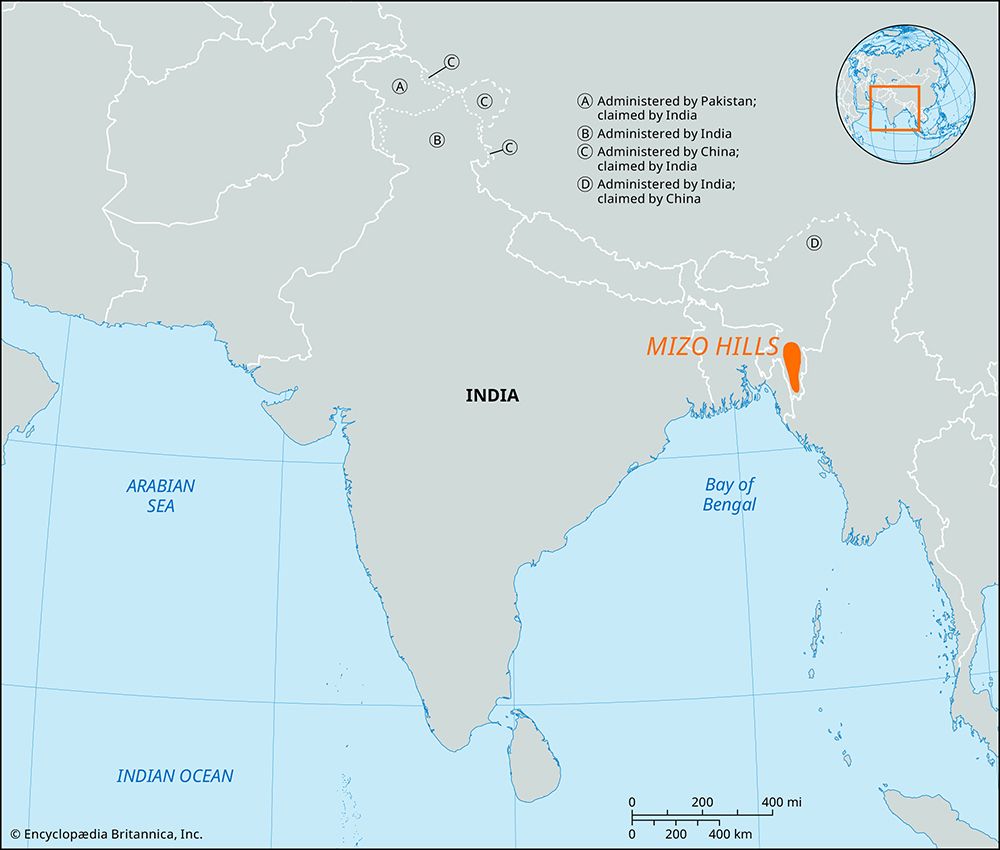
The Karnaphuli River is a major watercourse in the Chittagong region of Bangladesh. It originates in the Mizo Hills of Mizoram, India, and flows…
What is Karnaphuli River?
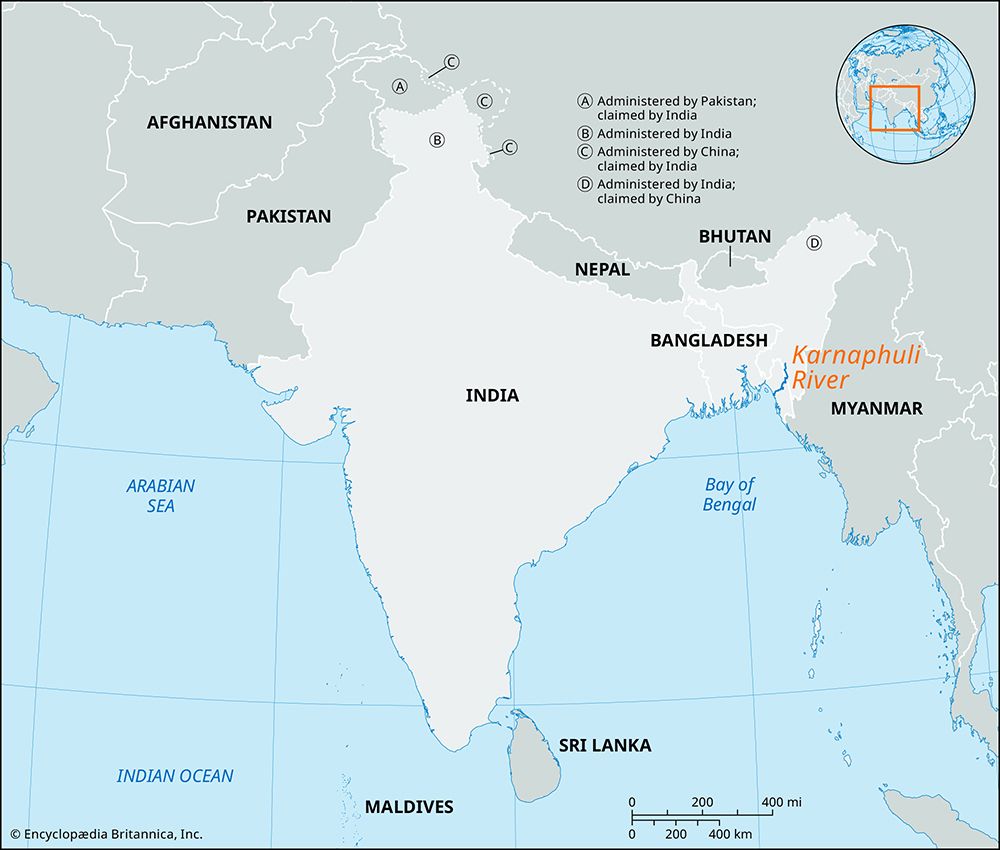
The Karnaphuli River is a major watercourse in the Chittagong region of Bangladesh. It originates in the Mizo Hills of Mizoram, India, and flows approximately 170 miles (270 km) south and southwest before emptying into the Bay of Bengal near Chittagong. Within the Chittagong Hill Tracts, it is locally known as the Kynsa Khyoung.1
The river serves as a vital transportation artery, navigable by steamer as far as Rangamati, and is heavily utilized for moving cotton and forest products. Additionally, the Karnaphuli hydroelectric project is essential to the regional economy, providing power for various industries, including tea, jute, tobacco, and cotton processing, while its reservoir supports extensive irrigation for agriculture.1
How does the Karnaphuli hydroelectric project impact the local environment?
The provided information does not contain details regarding the environmental impact of the Karnaphuli hydroelectric project. While the project is noted for its role in providing power for industries and supporting irrigation for agriculture, the specific ecological consequences—such as effects on local biodiversity, sediment transport, or habitat alteration—are not addressed in the available data.1
What role does the Chittagong port play in Bangladesh’s international trade?
The Chittagong port serves as the primary Indian Ocean gateway for Bangladesh and is the central hub for the country’s foreign trade. Following the creation of Pakistan in 1947, the port underwent significant improvements, including the construction of well-equipped facilities, permanent jetties, and moorings, which solidified its role as the nation’s principal maritime trade center.2
As a major communications and industrial hub, the port facilitates the export of key national products, including jute and jute manufactures, tea, and naphtha. It also supports the broader economy by serving as a location for major industrial infrastructure, such as an iron and steel mill and a large oil refinery linked by pipeline to an offshore terminal. Furthermore, the city hosts an export-processing zone and branch offices for numerous foreign firms and banks, reinforcing its status as the center of the country’s international commercial activity. Along with the port of Mongla, Chittagong remains essential to the movement of the nation’s foreign cargo.23
What are the main agricultural products grown in the Chittagong Hill Tracts?
The agricultural landscape of the Chittagong region, including the Chittagong Hill Tracts, is characterized by a variety of crops adapted to the local terrain and climate.
The primary agricultural products grown in these areas include:
- Rice: This is the most important crop in the region, cultivated extensively in the fertile valleys between the hills.2
- Tea: Grown primarily on the lower hills that are considered unsuitable for rice cultivation.2
- Vegetables and Chilies: These are widely grown throughout the region.25
- Cotton: Historically a significant crop for indigenous populations like the Chakma, who have long farmed it in the hills.5
- Forest Products: Bamboo and cane are economically valuable products harvested from the forested higher elevations.25
While traditional shifting agriculture was once the predominant method of farming in the hill tracts, it has largely been replaced by small-scale permanent farming.5
Sources
- Karnaphuli River — Encyclopædia Britannica
- Chittagong — Encyclopædia Britannica
- Bangladesh - Manufacturing — Encyclopædia Britannica
- Bangladesh - Transportation — Encyclopædia Britannica
- Chakma — Encyclopædia Britannica
Published on · 2 min read