Kauai
Kauai is the geologically oldest of the major Hawaiian islands. Like the rest of the Hawaiian archipelago, it was formed as the Pacific Plate moved over a…
What is the geological history of Kauai and how was it formed?
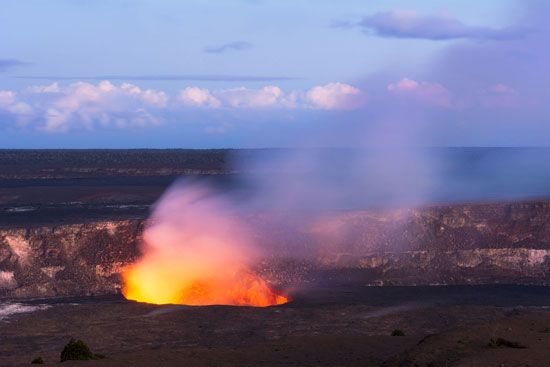
Kauai is the geologically oldest of the major Hawaiian islands. Like the rest of the Hawaiian archipelago, it was formed as the Pacific Plate moved over a stationary hotspot in the Earth’s upper mantle. As the plate drifted, this hotspot produced magma that erupted through the crust, gradually building the volcanic mountain that emerged to become the island.123
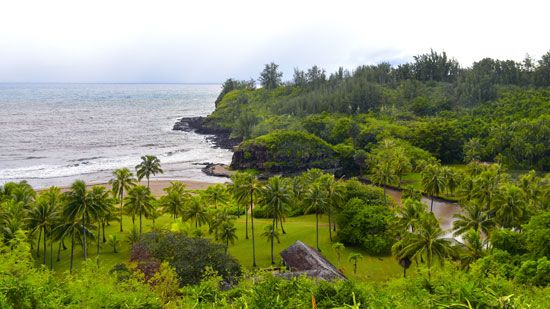
Because Kauai is geologically older than the other major islands in the chain, it has undergone significant transformation through erosion. While younger islands feature clearly defined craters and domelike terrain, Kauai’s landscape has been extensively shaped by wind, rain, and wave action. This long-term erosion is responsible for the island’s characteristic deep fissures, sharp, craggy silhouettes, and V-shaped valleys. The heavy rainfall in its mountainous regions, such as at Mount Waialeale, continues to drive the voluminous runoff that carves these dramatic geological features.13
What are some of the most famous natural attractions on Kauai?
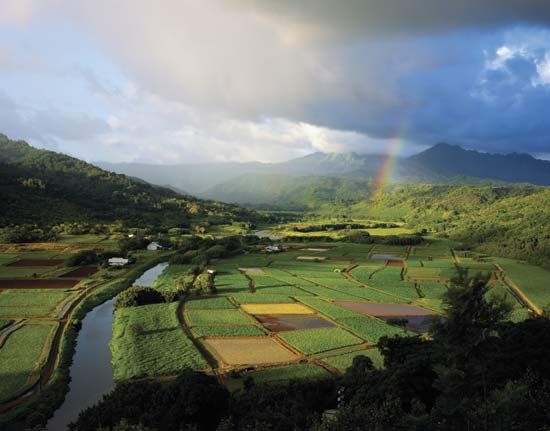
Kauai, often called the “Garden Isle,” is home to several iconic natural attractions shaped by its unique volcanic history and heavy rainfall. Some of the most notable include:51
- Waimea Canyon: Frequently referred to as the “Grand Canyon of the Pacific,” this massive gorge is approximately 16 miles long and up to 3,600 feet deep. It is the centerpiece of a large state park and is renowned for its dramatic, colorful vistas.516
- Mount Waialeale: As one of the wettest places on Earth, this peak is a central landmark of the island. Its slopes are deeply carved by erosion, feeding numerous waterfalls, including the 800-foot Waipo‘o Falls.51
- Wailua River: Kauai is home to Hawaii’s only consistently navigable rivers, with the Wailua being one of the most prominent.51
- Wildlife Refuges: The island features significant protected areas, such as the Huleia and Kilauea Point national wildlife refuges, which are vital for local ecosystems.1
- Botanical Gardens: Kauai hosts three properties of the National Tropical Botanical Garden—Limahuli Garden and Preserve, Allerton Garden, and McBryde Garden—which showcase the island’s lush, diverse flora.1
How does Kauai’s climate and ecosystem differ from other Hawaiian islands?
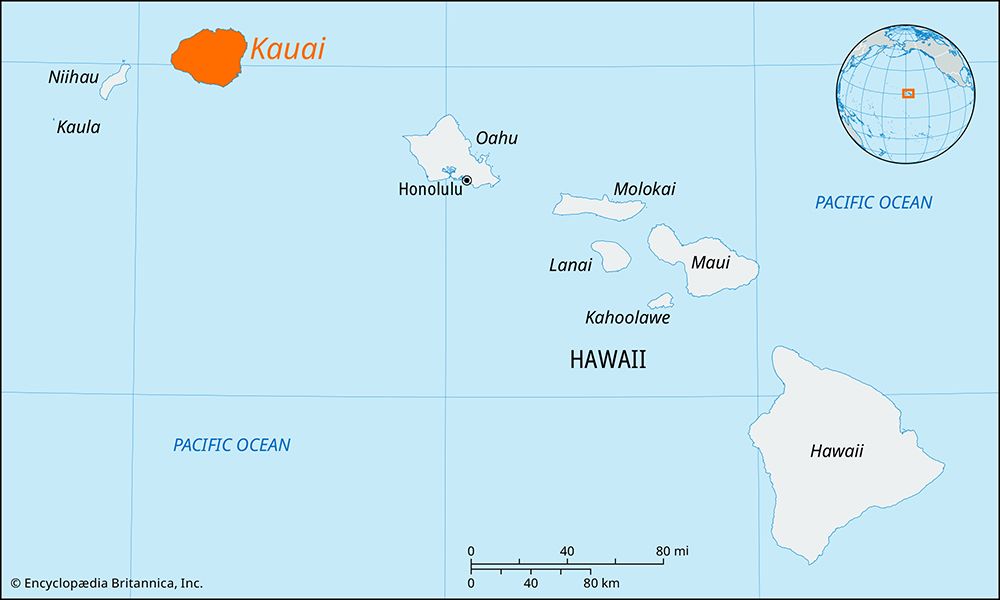
Kauai is distinguished from other Hawaiian islands primarily by its status as the geologically oldest of the major islands in the chain. This age has resulted in a more mature, heavily eroded landscape compared to the younger, domelike terrain found on islands like Hawaii, where active volcanism continues to shape the surface.17
Climate and Rainfall While all Hawaiian islands experience a mild tropical climate conditioned by northeast trade winds, Kauai features extreme precipitation patterns. Its central peak, Mount Waialeale, is recognized as one of the wettest places on Earth, receiving an average of approximately 450 inches of rain annually. This intense rainfall is a defining characteristic of the island’s environment, far exceeding the precipitation levels found in many other parts of the state.31
Ecosystem and Geography The combination of age and high rainfall has created a uniquely verdant ecosystem. Kauai is known as the “Garden Isle” because its slopes are deeply dissected by fertile valleys and dramatic, V-shaped fissures carved by centuries of voluminous runoff. Additionally, Kauai is unique among the major islands for possessing consistently navigable rivers, which further contributes to its lush, distinct ecological character.17
What are the main industries on Kauai besides tourism?
While tourism is the primary economic driver on Kauai, the island supports several other industries that contribute to its economy:
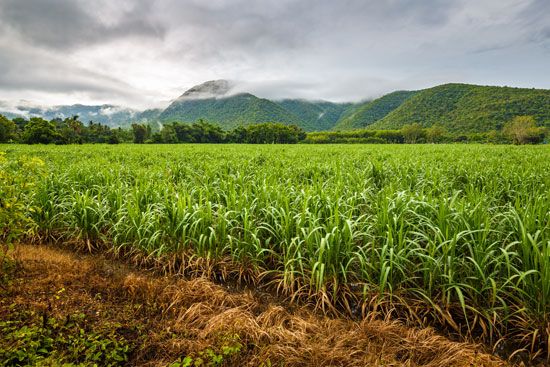
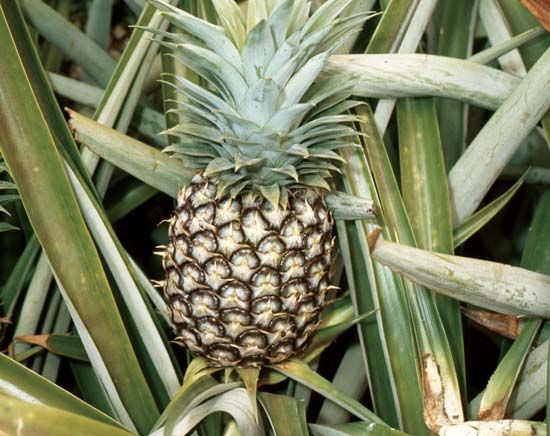
- Diversified Agriculture: Following the decline and eventual cessation of large-scale sugarcane and pineapple production in the early 21st century, the island shifted toward diversified crops. Coffee is a notable contributor to the local economy, alongside other agricultural products like macadamia nuts and seed crops.184
- Manufacturing: There is a sector dedicated to diversified manufacturing, with a particular focus on producing tourist-oriented goods.1
- Service Industries: Alongside tourism, broader service industries play a significant role in providing income and employment for the island’s residents.4
- Commercial Fishing and Livestock: While these are broader components of the Hawaiian economy, they remain relevant sources of income across the islands, including Kauai.8
Sources
- Kauai — Encyclopædia Britannica
- hotspot — Encyclopædia Britannica
- Hawaii - Relief — Encyclopædia Britannica
- Kapaa — Encyclopædia Britannica
- Mount Waialeale — Encyclopædia Britannica
- Waimea — Encyclopædia Britannica
- Hawaii - Climate of Hawaii — Encyclopædia Britannica
- Hawaii - Agriculture, forestry, and fishing — Encyclopædia Britannica
Published on · 3 min read