Kaveri River
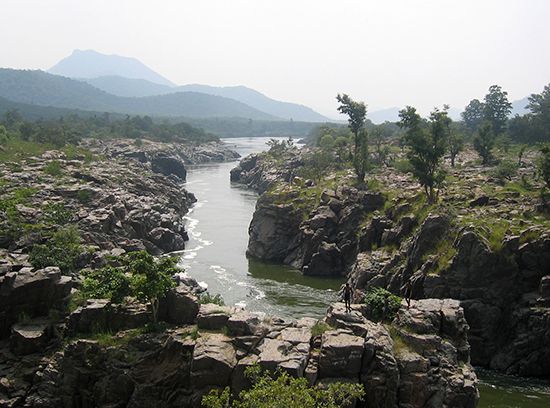
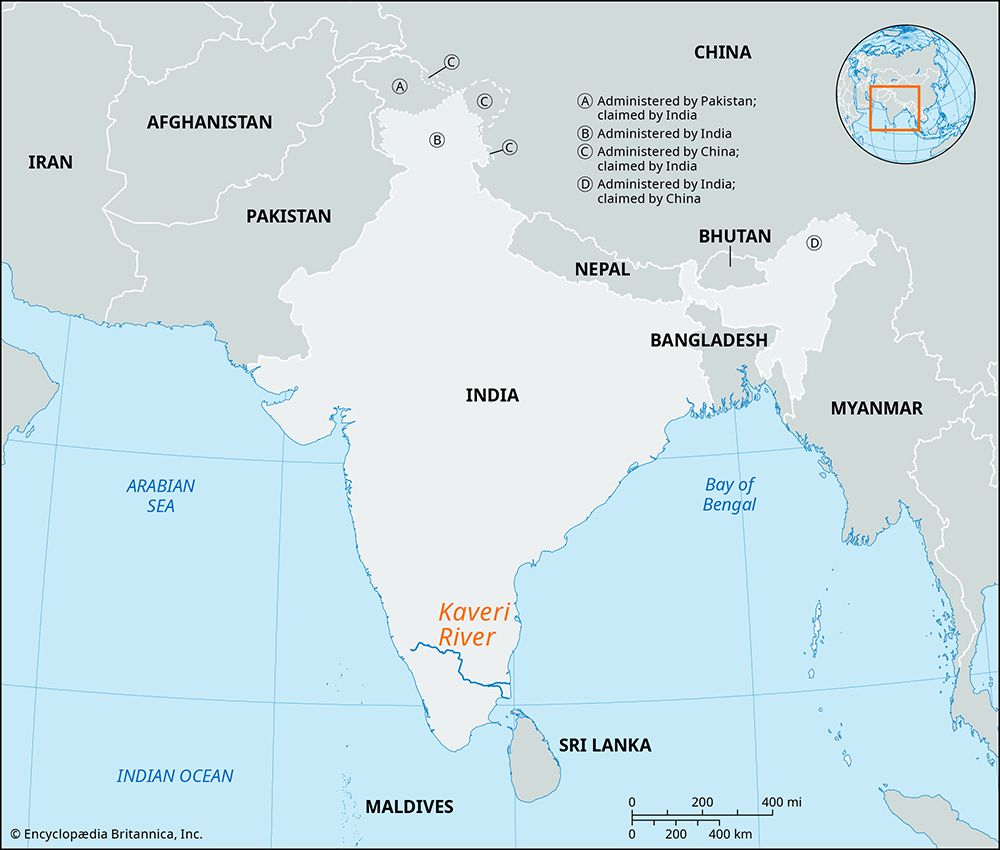
The Kaveri River is vital to southern India, supporting extensive irrigation and power generation through several key infrastructure projects.
What are the major dams and hydroelectric projects along the Kaveri River?
The Kaveri River is vital to southern India, supporting extensive irrigation and power generation through several key infrastructure projects.1
Major Dams and Hydroelectric Projects
- Krishnaraja Sagara: Located in Karnataka, this dam impounds the river to form a 12-square-mile reservoir, serving as a critical site for irrigation.1
- Sivasamudram Falls: These scenic falls are utilized for hydroelectric power generation, supplying electricity to major cities including Mysuru, Bengaluru, and the Kolar Gold Fields.1
- Mettur Dam: Situated in Tamil Nadu, this massive structure—176 feet high and 5,300 feet long—creates the Stanley Reservoir. Completed in 1934, the Mettur Dam project is essential for regional agriculture and industrial power.1
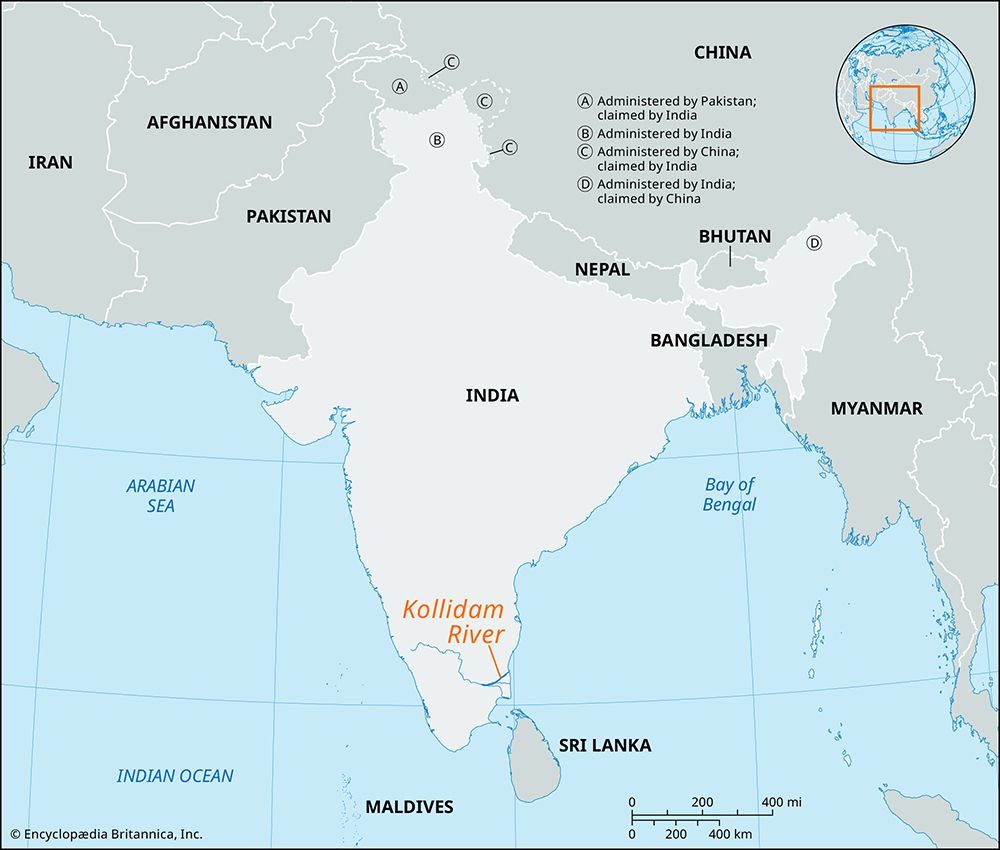
- Grand Anicut: An ancient engineering feat dating back to the 2nd century, this dam is located where the river divides at Srirangam Island. A secondary dam was later constructed (1836–38) across the Kollidam River to prevent silting and expand irrigation capacity.1
How has the Kaveri River influenced the development of ancient civilizations in South India?
The Kaveri River served as the foundational cradle for the Chola dynasty, one of the most significant powers in South Indian history. Originating in the rich Kaveri valley, the dynasty established its oldest capital at Uraiyur, located in present-day Tiruchchirappalli.1
The river’s influence on civilization was primarily driven by its capacity to support highly organized agricultural systems. The fertile delta region, often referred to as the garden of southern India, provided the economic stability necessary for the Cholas to flourish. The civilization developed sophisticated methods of revenue administration, village self-government, and advanced irrigation, which allowed for dense populations and consistent rice production.231
Beyond agriculture, the river was central to the cultural and spiritual life of the region. Its entire course is considered holy ground, and the deltaic region became a hub for Tamil classical literature and monumental architecture. The construction of ancient engineering works, such as the Grand Anicut built in the 2nd century, exemplifies how early societies mastered the river’s flow to sustain their development and expansion.21
What is the cultural and religious significance of the Kaveri River in India?
The Kaveri River holds profound cultural and religious significance in India, where it is revered by devout Hindus as the Daksina Ganga (Ganges of the South). Its entire course is considered holy ground, and it is frequently celebrated for its sanctity and beauty in Tamil literature.1
The river’s religious importance is anchored by several key sites along its path:
- Srirangam: Located on an island in the Kaveri, this temple town is a major pilgrimage center. It is regarded by devotees as bhuloka vaikuntham, or “heaven on earth.”4
- Sacred Islands: The river forms significant sacred islands, including Srirangapatnam and Sivasamudram, which are integral to the spiritual landscape of the region.1
- Pilgrimage Sites: Like many major Indian rivers, the Kaveri is associated with numerous temples and sanctuaries, each possessing its own mythical history and traditions.4
Beyond its spiritual role, the river is the lifeblood of the region, with its delta often called the “garden of southern India.” This fertile landscape has supported civilizations for centuries, fostering a rich cultural heritage that includes monumental architecture, such as the Chola temples, and traditional arts.15
How does the Kaveri River contribute to agriculture and irrigation in the region?
The Kaveri River is essential to agriculture in southern India, particularly through its extensive irrigation systems that support the fertile delta region known as the “garden of southern India.”
Irrigation Infrastructure
The river’s flow is managed by a series of historical and modern engineering projects:
- Dams and Reservoirs: The Krishnaraja Sagara dam in Karnataka creates a large reservoir for irrigation. In Tamil Nadu, the Mettur Dam impounds the Stanley Reservoir, which significantly improved regional irrigation and industrial capacity upon its completion in 1934.1
- Anicuts and Canals: The river is interrupted by various anicuts (weirs) that divert water. The Grand Anicut, built in the 2nd century, and subsequent 19th-century projects on the Kollidam River have been vital in preventing siltation and extending irrigation across the delta.1
Agricultural Impact
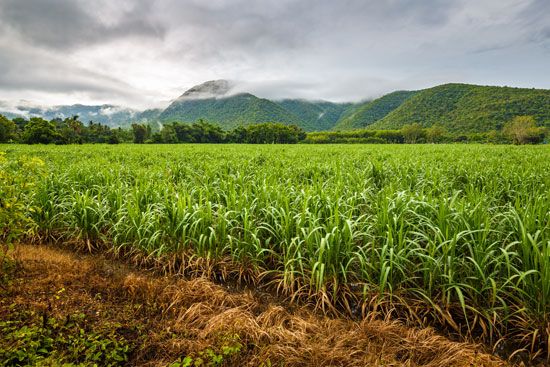
The delta, which covers approximately 4,000 square miles, is one of India’s most important rice-growing regions. The network of channels and irrigation canals—some in use for over a millennium—also supports the cultivation of sugarcane and peanuts (groundnuts), making the area a hub for grain processing and agricultural productivity.15
Sources
- Kaveri River — Encyclopædia Britannica
- Chola dynasty — Encyclopædia Britannica
- Kollidam River — Encyclopædia Britannica
- Hinduism - Myths of holy rivers and holy places — Encyclopædia Britannica
- Thanjavur — Encyclopædia Britannica
Published on · 3 min read