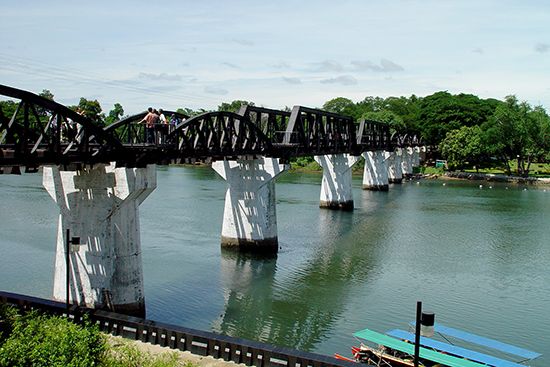
Khwae Noi River
The premise that the Khwae Noi River is part of the Mekong River system is incorrect. The Khwae Noi River is a tributary of the Mae Klong River in western…
How does the Khwae Noi River relate to the larger Mekong River system?
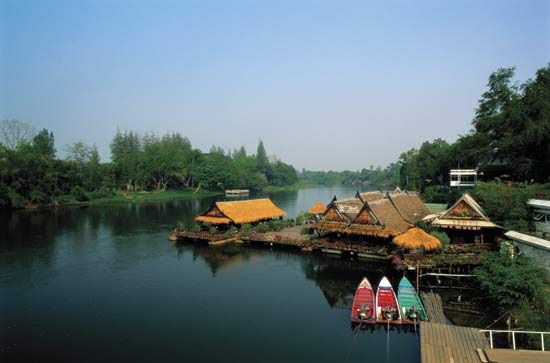
The premise that the Khwae Noi River is part of the Mekong River system is incorrect. The Khwae Noi River is a tributary of the Mae Klong River in western Thailand, which flows independently into the Gulf of Thailand2.
In contrast, the Mekong River serves as a distinct drainage system primarily located in the eastern part of Thailand, forming part of the border between Thailand and Laos. While the Mekong collects water from the Khorat Plateau, the Khwae Noi is geographically separated from this system by the central plains and the Chao Phraya basin.12
What are some of the challenges facing the Khwae Noi River in terms of conservation and environmental protection?
The available information regarding the Khwae Noi River focuses on its geography and its historical association with World War II and the construction of the railway by forced labour.
The current Britannica knowledge base does not contain specific information regarding the contemporary challenges facing the river in terms of conservation or environmental protection.
Where is the Khwae Noi River located in Thailand?
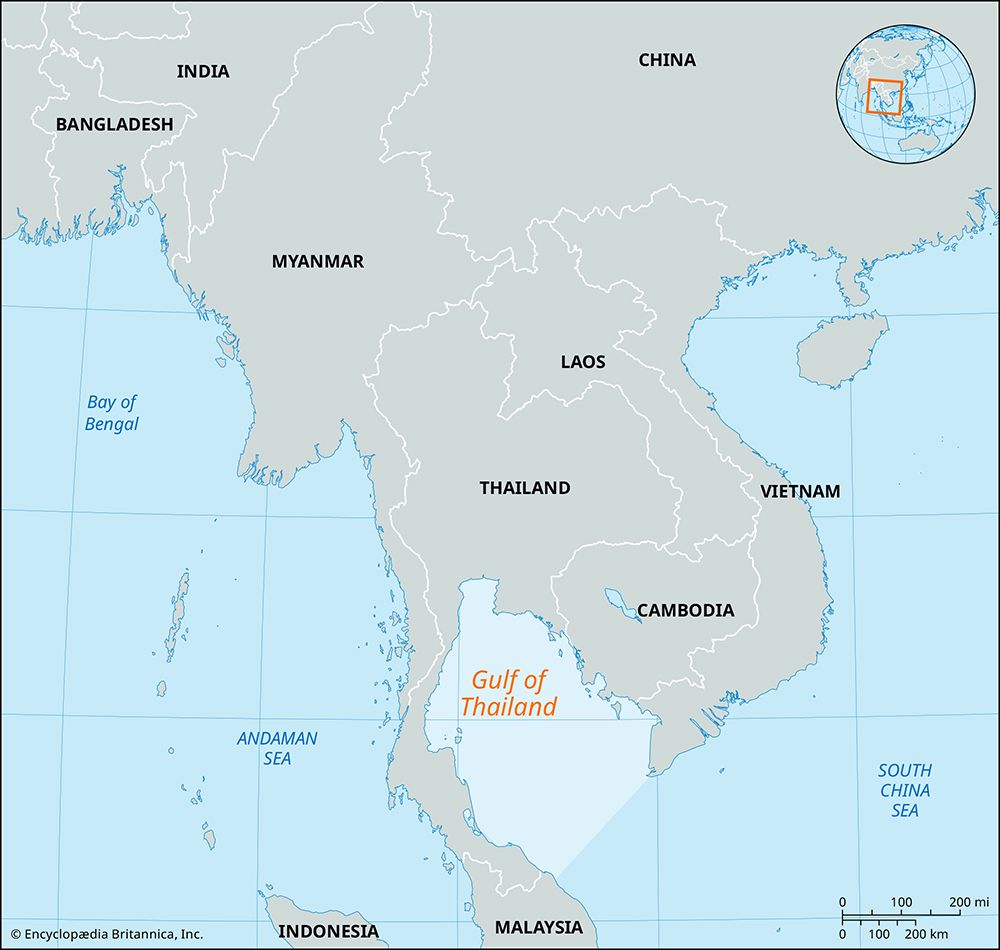
The Khwae Noi River is located entirely within western Thailand. It originates near the Three Pagodas Pass along the mountainous border between Thailand and Myanmar. From there, the river flows in a southeasterly direction, running parallel to the border until it reaches the town of Kanchanaburi. At this point, it joins the Mae Klong River, which eventually flows into the Gulf of Thailand at Samut Songkhram.2
What role did the Khwae Noi River play during World War II beyond the famous bridge?
Beyond the construction of the famous bridge, the Khwae Noi River valley served as the primary corridor for the Burma Railway, a strategic project undertaken by the Japanese during World War II.
Following the Japanese defeats at the Battle of the Coral Sea and the Battle of Midway, maritime supply routes to Burma became insecure. To maintain their military operations and support a planned invasion of India, the Japanese utilized the Khwae Noi valley to build an overland rail link between Bangkok and Mawlamyine, Burma.
The construction of this line involved:
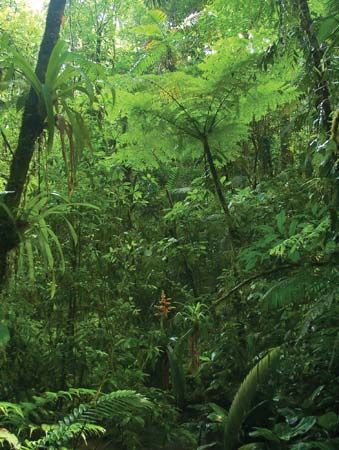
- Forced Labor: Approximately 200,000 Asian conscripts and over 60,000 Allied prisoners of war were forced to build 258 miles of track through dense, mosquito-infested jungle and rugged terrain4.
- Hellfire Pass: The route required carving through mountains, most notably at Konyu, where prisoners worked 18-hour shifts with inadequate tools. This section became known as “Hellfire Pass” due to the extreme conditions and high mortality rate.2
- Humanitarian Crisis: Prisoners suffered from malnutrition, dehydration, and rampant diseases like cholera and dysentery, leading to tens of thousands of deaths.2
Sources
- Thailand - Drainage of Thailand — Encyclopædia Britannica
- Khwae Noi River — Encyclopædia Britannica
- Chao Phraya River — Encyclopædia Britannica
- Burma Railway — Encyclopædia Britannica
Published on · 2 min read