Kiwi
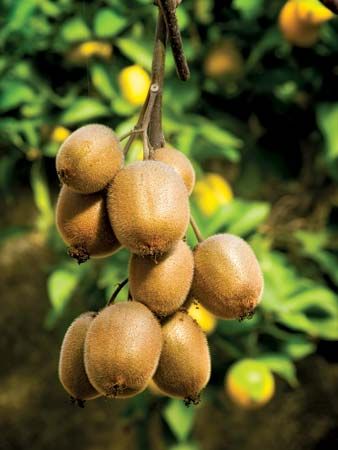
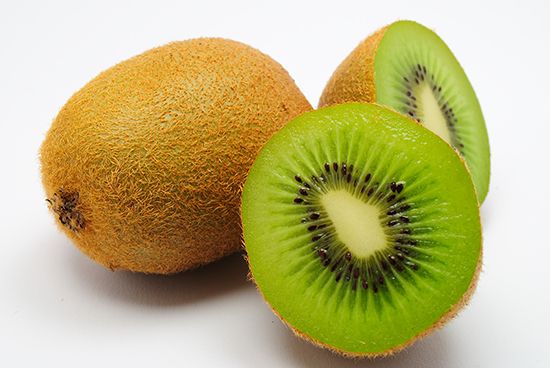
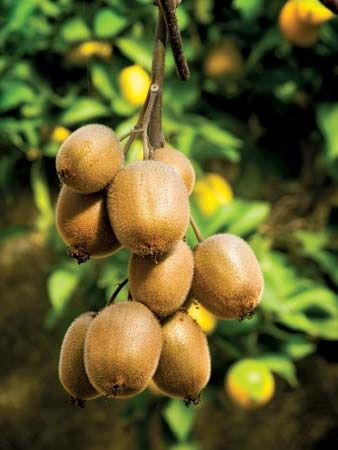
The most common variety of kiwifruit is Actinidia deliciosa, which is characterized by its fuzzy, brownish-green skin and firm, translucent green flesh.
What are the different varieties of kiwifruit available?
The most common variety of kiwifruit is Actinidia deliciosa, which is characterized by its fuzzy, brownish-green skin and firm, translucent green flesh.1
Beyond this standard variety, several other types are cultivated for their fruit:
- Golden kiwi (Actinidia chinensis): This variety features smoother skin with fewer hairs and possesses yellower, sweeter flesh compared to A. deliciosa.1
- Cold-hardy species: These include A. arguta and A. kolomikta, which are specifically adapted to cooler climates.1
- Other varieties: These include the Chinese egg gooseberry (A. coriacea), red kiwi (A. melanandra), silver vine (A. polygama), and purple kiwi (A. purpurea).1
While A. deliciosa is the primary commercial variety, these diverse species offer a range of physical characteristics and flavors.1
How can kiwifruit be used in cooking and recipes?
Kiwifruit is a versatile ingredient that can be enjoyed in a variety of ways. Because of its slightly acidic flavor, it is commonly eaten raw, often as a refreshing addition to fruit salads or as a standalone snack.
Beyond raw consumption, kiwifruit can be incorporated into cooked dishes. A unique and functional use for the fruit is as a meat tenderizer; its juice contains enzymes that help break down proteins, making it an effective natural marinade for various meats.1
Whether you are looking to add a tart brightness to your meals or utilize its tenderizing properties, kiwifruit offers distinct culinary utility.
What are some interesting facts about kiwifruit that most people might not know?
Kiwifruit (Actinidia deliciosa) is a fascinating plant with several unique characteristics that often go unnoticed:
- Nutrient Density: In a study evaluating the nutrient density of 28 popular fresh fruits, the kiwi ranked number one. It provides a high concentration of essential nutrients, including vitamin C and vitamin K, relative to its calorie count.13
- Dioecious Nature: Kiwi vines are dioecious, meaning male and female flowers grow on separate plants. In commercial cultivation, a single male plant is typically used to facilitate the pollination of three to eight female plants.1
- Natural Meat Tenderizer: The fruit contains an enzyme called actinidin, which breaks down proteins. This makes the juice an effective natural meat tenderizer.14
- Culinary Constraint: Due to the presence of actinidin, raw kiwifruit can prevent gelatin from setting, similar to the effect of bromelain found in pineapples.4
- Botanical Classification: Despite its appearance, the kiwi is botanically classified as a true berry.15
What are the main differences between golden and green kiwifruit?
The primary differences between green and golden kiwifruit lie in their botanical classification, physical appearance, and flavor profile:
- Species: The common green kiwi is known as Actinidia deliciosa, while the golden kiwi is classified as Actinidia chinensis.1
- Skin and Flesh: Green kiwifruit is characterized by its furry, brownish-green skin and firm, translucent green flesh. In contrast, the golden kiwi has fewer hairs on its skin and features a distinctively yellow flesh.1
- Flavor: Golden kiwifruit is generally sweeter than the green variety, which is known for its slightly acidic taste.1
Both varieties are members of the Actinidiaceae family and are considered true berries.1
Sources
- Kiwi — Encyclopædia Britannica
- Chinese gooseberry — Merriam-Webster
- Actinidiaceae — Encyclopædia Britannica
- kiwifruit — Merriam-Webster
- A Kiwi a Day — Encyclopædia Britannica
- actinidin — Merriam-Webster
Published on · 2 min read