Lake Onega
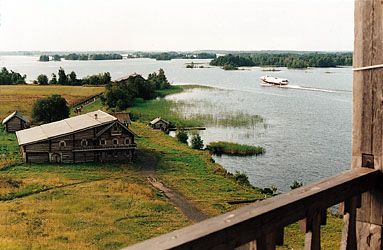
Lake Onega, the second-largest lake in Europe, supports a diverse aquatic ecosystem. The lake is home to more than 40 species of fish, which are of…
What types of fish and other aquatic life can be found in Lake Onega?
Lake Onega, the second-largest lake in Europe, supports a diverse aquatic ecosystem. The lake is home to more than 40 species of fish, which are of significant economic value to the region1.
Common fish species found in the lake include:
- Salmon family members: Including ryapushka and salmon.1
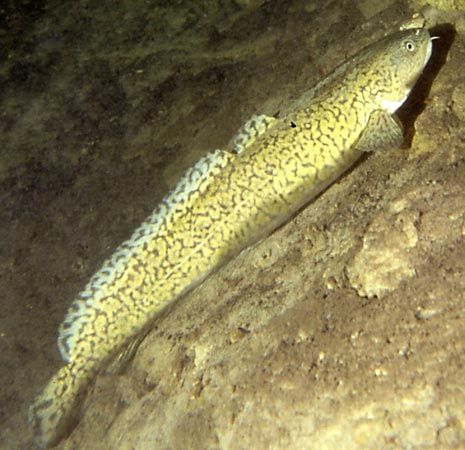
- Cod relatives: Such as the burbot, a freshwater variant.1
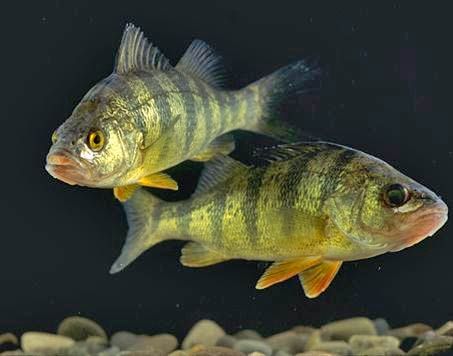
- Other species: Smelt, bream, pike, perch, and roach.1
While the lake’s cold climate and varying water temperatures influence its environment, these species thrive within its waters, which are connected to broader maritime networks via the White Sea–Baltic Canal and the Volga-Baltic Waterway.1
What is the climate like around Lake Onega, and how does it affect the lake’s characteristics?
The region surrounding Lake Onega experiences a cold climate, which significantly dictates the lake’s physical behavior and seasonal cycles.1
The climate’s impact on the lake is most evident in its freezing patterns:
- Ice Formation: Coastal areas and small bays typically begin to freeze by the end of November. The deeper central regions follow by mid-January, though they occasionally remain ice-free in some years.1
- Thawing: The ice cover generally begins to thaw at the end of April.1
- Water Dynamics: Temperature differences between the coastal and open regions drive a continuous, twisting circulation of water within the lake.1
- Seasonal Levels: The water level fluctuates annually by about 24 inches (60 cm), reaching its peak in the summer and dropping to its lowest point during March and April.1
- Storm Activity: The regional climate contributes to autumn gales, which can generate waves reaching heights of 14 to 15 feet (about 4.5 meters).1
How was Lake Onega formed, and what is its geological history?
The formation of Lake Onega is the result of both tectonic activity and glacial processes. The lake’s basin was originally created by movements of the Earth’s crust. Subsequently, during the Quaternary period—spanning the last 2.6 million years—the basin was significantly reshaped and elongated from the northwest to the southeast by the action of massive glaciers.1
This geological history is reflected in the lake’s diverse shoreline characteristics. The northern and northwestern shores are high and rocky, composed of layered granite, while the southern shores are notably different, being narrow, sandy, and frequently marshy or prone to flooding.1
How deep is Lake Onega, and how does its depth compare to other major lakes in Russia?
Lake Onega has a maximum depth of approximately 380 feet (116 meters).1
When compared to other major lakes in Russia, Lake Onega is significantly shallower than Lake Baikal, which is the deepest lake in the world with a maximum depth of 5,315 feet (1,620 meters). While Lake Onega is the second-largest lake in Europe, its depth is modest in the context of Russia’s vast array of water bodies, which include everything from shallow, low-lying lakes to deep, tectonic basins.451
Sources
- Lake Onega — Encyclopædia Britannica
- Karelia — Encyclopædia Britannica
- Onega, Lake — Merriam-Webster
- Russia - Lakes — Encyclopædia Britannica
- 9 of the World’s Deepest Lakes — Encyclopædia Britannica
- lake - Topography of basins — Encyclopædia Britannica
Published on · 2 min read