Knockout Mouse
A knockout mouse is a laboratory mouse that has been genetically engineered to have a specific gene inactivated, or "knocked out," by the introduction of an…
What is a knockout mouse?
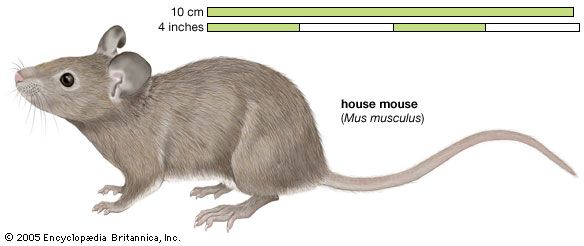
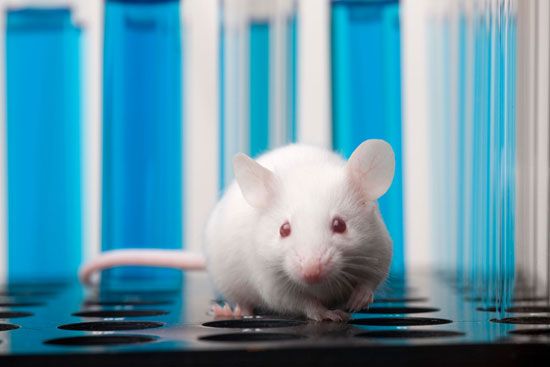
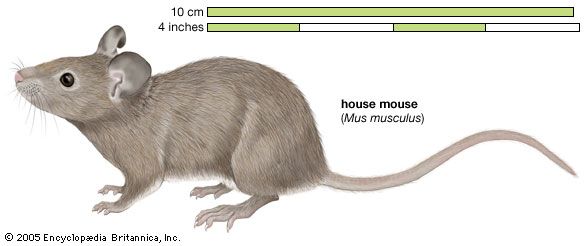
A knockout mouse is a laboratory mouse that has been genetically engineered to have a specific gene inactivated, or “knocked out,” by the introduction of an artificial DNA sequence. By observing changes in the mouse’s phenotype, or observable traits, researchers can gain critical insights into the function of that gene and its potential role in human disease.1
These models are typically created using embryonic stem cells through techniques such as homologous recombination or gene trapping. While these methods are powerful tools for studying mammalian physiology and testing drug therapies, they are subject to ethical oversight. The use of animals in research necessitates a commitment to the “three Rs”—replacement, reduction, and refinement—to ensure that animal welfare is prioritized and that any potential suffering is minimized.12
How are knockout mice different from regular mice?
Knockout mice differ from regular mice because they are genetically engineered to have a specific gene inactivated, or “knocked out,” by the introduction of an artificial DNA sequence. While a regular mouse possesses a standard, functional genome, a knockout mouse is intentionally modified to prevent a target gene from producing its protein products.13
The primary distinctions include:
- Genetic Composition: Researchers use techniques like homologous recombination or gene trapping to replace or disrupt specific segments of the mouse’s DNA within embryonic stem cells.13
- Phenotypic Expression: Because of the inactivated gene, these mice often exhibit modified phenotypes—observable physical or biological traits—that allow scientists to deduce the function of the missing gene.1
- Research Utility: Unlike regular mice, knockout mice serve as specialized models for human disease. By observing how the absence of a gene affects the mouse, researchers gain insights into the biological roles of similar genes in humans and can test potential drug therapies.145
How do scientists create a knockout mouse?
Scientists create a knockout mouse primarily by modifying embryonic stem (ES) cells and introducing them into early mouse embryos. The two main methods for achieving this are:
Homologous Recombination
This precise method involves introducing artificial DNA into the nucleus of an ES cell. This DNA is engineered with flanking sequences identical to those surrounding the target gene. The cell recognizes these sequences and swaps the target gene for the foreign DNA, effectively inactivating it. This is the preferred method when researchers need to replace a specific allele without affecting other genes.15
Gene Trapping
In this approach, artificial DNA is randomly incorporated into the mouse ES cell genome. When the foreign sequence inserts itself into a gene, it disrupts the gene’s ability to encode its protein products, rendering it inactive. A reporter gene included in the artificial DNA allows scientists to track the activity and location of the disrupted gene.1
Development and Breeding
Once modified, the ES cells are injected into early mouse embryos, which are then implanted into a surrogate female. The resulting offspring are “chimeric,” meaning they contain both modified and non-modified tissue. To produce a true knockout mouse, these animals must be bred over several generations to eventually create homozygotes—mice that carry the inactivated gene in all their cells.16
Why do researchers use knockout mice in experiments?
Researchers utilize knockout mice as powerful tools to investigate mammalian physiology and the underlying mechanisms of human disease. Because mice and humans share many genes, these models provide critical insights into the biological roles of specific genes and their contributions to various health conditions.1
Key research applications include:
- Gene Function Discovery: By observing changes in phenotype—the observable traits of the mouse—scientists can deduce the function of the inactivated gene.1
- Disease Modeling: Knockout mice have been developed to study numerous disorders, including cancer, diabetes mellitus, cystic fibrosis, Parkinson disease, and atherosclerosis.1
- Developmental Biology: Targeted gene inactivation has significantly advanced the understanding of congenital disorders, fetal development, and the establishment of the mammalian body plan.1
- Therapeutic Testing: These animals serve as a platform for developing and testing novel drug therapies.1
While these models are invaluable, researchers must account for limitations, such as cases where gene inactivation is lethal or where the mouse phenotype differs from human biological responses.1
Sources
- Knockout mouse — Encyclopædia Britannica
- Animal testing — Encyclopædia Britannica
- Martin Evans — Encyclopædia Britannica
- Why are mice used in medical research? — Encyclopædia Britannica
- homologous recombination — Encyclopædia Britannica
- stem cell - Mouse embryonic stem cells — Encyclopædia Britannica
- gene editing — Encyclopædia Britannica
Published on · 3 min read