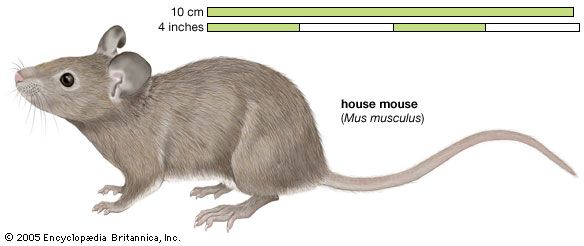
Why Are Mice Used in Medical Research?
Mice are extensively used in medical research primarily due to their significant biological and genetic similarity to humans, sharing approximately 98…
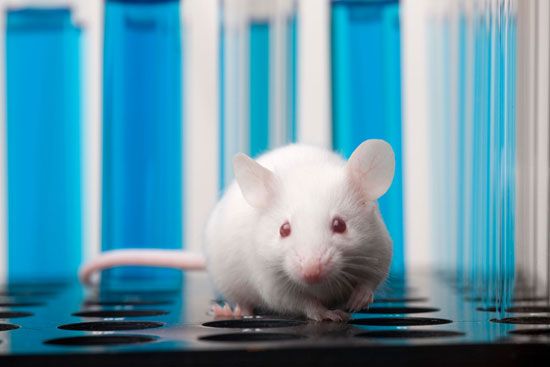
Why are mice used in medical research?
Mice are extensively used in medical research primarily due to their significant biological and genetic similarity to humans, sharing approximately 98 percent of their DNA. This likeness allows them to serve as effective models for studying human diseases, as both species are susceptible to many of the same conditions, such as cancer, heart disease, and diabetes.12
Beyond their genetic profile, mice are favored for their short life cycles of two to three years. This enables researchers to observe the progression of diseases and the long-term effects of treatments or genetic modifications across an entire lifespan or multiple generations—studies that would be impossible to conduct on humans. Furthermore, tools like knockout mice, which have specific genes deactivated, provide critical insights into gene function and the development of gene therapies.123
While animal testing has been fundamental to medical breakthroughs, it remains a subject of intense ethical debate regarding the welfare of sentient beings and the necessity of such practices. Regulations like the Animal Welfare Act mandate humane treatment, and the scientific community increasingly emphasizes the “three Rs”: replacement, reduction, and refinement.31
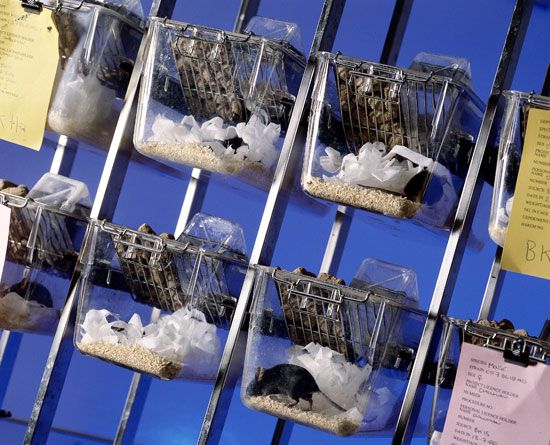
What are the ‘three Rs’ in animal research?
The “three Rs” principle serves as a foundational framework for ethical animal testing, established by zoologist William Russell and microbiologist Rex Burch in their 1959 work, The Principles of Humane Experimental Technique. These guidelines are designed to minimize the use of animals and ensure their humane treatment in scientific research.2
The three Rs are defined as follows:
- Replacement: This involves utilizing strategies that avoid or replace the use of animals entirely. Examples include cell culture (in vitro studies), computer modeling, and human volunteer studies.42
- Reduction: This focuses on using the fewest number of animals necessary to achieve statistically reliable results. This is often accomplished through improved experimental designs, better statistical methods, and the sharing of data and resources to prevent the duplication of previous research.42
- Refinement: This entails implementing procedures and husbandry practices that minimize pain, suffering, and distress while enhancing the welfare of the animals. Such refinements include the use of appropriate anesthetics and analgesics, as well as providing humane housing and environmental enrichment to reduce stress.42
How do scientists create knockout mice?
Scientists create knockout mice by inactivating a specific gene, allowing them to study its biological function and role in disease. The primary methods used to achieve this are homologous recombination and gene trapping, both of which utilize mouse embryonic stem (ES) cells.
Primary Methods
- Homologous Recombination: Researchers introduce artificial DNA into an ES cell that is flanked by sequences identical to those surrounding the target gene. The cell swaps the target gene for this foreign, inactive sequence. This method is highly precise, allowing for the targeted replacement of a specific allele without affecting other genes.56
- Gene Trapping: Artificial DNA is randomly inserted into the genome. If it lands within a gene, it disrupts the sequence and prevents the production of functional proteins. Researchers use a reporter gene to track where the insertion occurred and deduce the gene’s function.5
Generation Process
Once the ES cells are modified, they are injected into early mouse embryos and implanted into a surrogate female. The resulting “chimeric” pups contain both modified and nonmodified tissue. To create a true knockout mouse, these animals must be bred over several generations to produce homozygotes—mice that carry the modification in all their cells.57
What are some alternatives to using animals in medical testing?
As scientific research evolves, several alternatives to animal testing have been developed to study diseases, test drug toxicity, and ensure product safety. These methods often provide more human-relevant data while adhering to the principle of replacement.92
Key alternatives include:
- In Vitro Testing: This involves conducting experiments on human cells or tissues in a controlled environment, such as a petri dish or test tube. Researchers can use cell cultures to observe how cells respond to drugs, hormones, or disease-causing agents.910
- Tissue Engineering: Advances in technology allow for the creation of artificial human skin models, such as EpiDerm and ThinCert, which are grown from human skin cells. Additionally, researchers are developing “organ-on-a-chip” technology—miniature devices that mimic the structure and function of human organs—and exploring 3D bioprinting to create functional tissues like human livers for toxicity testing.92
- Human Volunteer Studies: In certain cases, such as vaccine development, researchers may proceed directly to human clinical trials. Modern techniques, such as using synthetic genetic codes for vaccines, have further enabled this approach.9
- Computer Modeling: Computational simulations allow scientists to predict biological responses and drug interactions without the need for live subjects.92
Sources
- Why are mice used in medical research? — Encyclopædia Britannica
- Animal testing — Encyclopædia Britannica
- Animal testing - Pro 2: Animals are appropriate research subjects because they are similar to human beings. — Encyclopædia Britannica
- Animal testing - Animal Testing in the 1800s through mid-1900s — Encyclopædia Britannica
- Knockout mouse — Encyclopædia Britannica
- stem cell - Mouse embryonic stem cells — Encyclopædia Britannica
- gene editing — Encyclopædia Britannica
- homologous recombination — Encyclopædia Britannica
- Animal testing - Con 3: Alternative testing methods now exist that can replace the need for animals. — Encyclopædia Britannica
- tissue culture — Encyclopædia Britannica
Published on · 4 min read