Kohlrabi
Kohlrabi (Brassica oleracea variety gongylodes) is a form of cabbage grown primarily for its edible, enlarged stem. This vegetable is a member of the mustard…
What is kohlrabi and which plant family does it belong to?
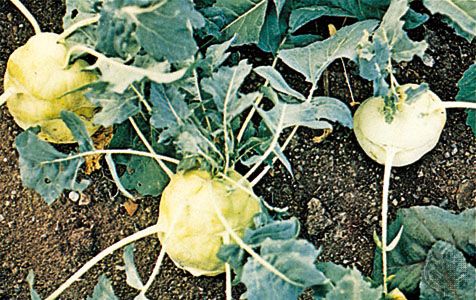
Kohlrabi (Brassica oleracea variety gongylodes) is a form of cabbage grown primarily for its edible, enlarged stem. This vegetable is a member of the mustard family, known as Brassicaceae.12
The plant is typically grown as a cool-season annual, though it is biologically a biennial. Its thickened stem, which can be green, white, or purple, is often served cooked and has a flavor profile described as sweeter and milder than that of a turnip. Additionally, the plant’s young, tender leaves can be consumed as greens. While not widely grown for large-scale commercial purposes, it remains a popular choice for kitchen gardens and is used as stock feed in parts of Europe.1
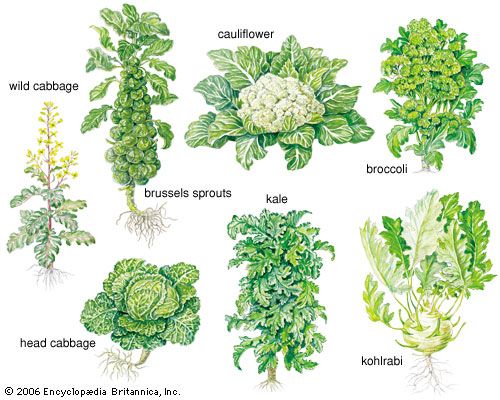
How is kohlrabi cultivated and what are its ideal growing conditions?
Kohlrabi is typically cultivated as a cool-season annual, despite being biologically a biennial plant. Because it thrives in cooler temperatures, it is best suited for planting during the spring or autumn months.1
To ensure a high-quality harvest, the plant should be monitored as it develops. The edible, enlarged stem—which can appear in green, white, or purple varieties—is ideal for harvesting when it reaches a diameter of 5–6 cm (2–2.5 inches). If the plant is allowed to mature beyond this stage, it will eventually produce yellow, four-petaled flowers and elongated fruits known as siliques.1
While kohlrabi is not commonly grown for large-scale commercial production, it is a popular choice for home kitchen gardens. In addition to the swollen stem, the young, tender leaves can be harvested and consumed as greens.1
What parts of the kohlrabi plant are edible?
The kohlrabi plant offers two primary edible components:
- The Stem: The plant is most notably grown for its enlarged, thickened stem. This portion, which can be green, white, or purple, is typically served as a cooked vegetable. Its flesh is often compared to that of a turnip, though it is recognized for being sweeter and milder in flavor. For the best culinary quality, it is recommended to harvest the stem when it reaches a diameter of 5–6 cm (2–2.5 inches).1
- The Leaves: The young, tender leaves of the plant are also edible and can be prepared and consumed as greens.1
Are there different varieties of kohlrabi, and how do they differ?
Yes, there are different varieties of kohlrabi (Brassica oleracea, variety gongylodes), which are primarily distinguished by the color of their edible, enlarged stem.
These varieties are categorized based on the external color of the swollen stem, which can be:
- Green
- White
- Purple
While these varieties differ in their outward appearance, they all share the same botanical classification and are grown for the same culinary purposes. Regardless of the color, the stem is best harvested when it reaches a diameter of 5–6 cm (2–2.5 inches) to ensure the flesh remains sweet and mild, similar to a turnip. Beyond this stage, the plant continues its life cycle by producing small clusters of yellow, four-petaled flowers and developing elongated fruits known as siliques.1
Sources
- Kohlrabi — Encyclopædia Britannica
- brassica — Encyclopædia Britannica
- kohlrabi — Merriam-Webster
- list of plants in the family Brassicaceae — Encyclopædia Britannica
Published on · 2 min read