Koro Sea
The Koro Sea is a submarine depression located on the floor of the South Pacific Ocean. It reaches depths exceeding 9,600 feet (2,930 meters) and extends…
What is Koro Sea?
The Koro Sea is a submarine depression located on the floor of the South Pacific Ocean. It reaches depths exceeding 9,600 feet (2,930 meters) and extends onto the shallow submarine shelves that support the major islands of Fiji, specifically Viti Levu, Vanua Levu, and the Lau Group.1
The sea floor is composed of heavy basaltic rock, which is characteristic of oceanic basins. Navigation within the region is challenging, as the sea-lanes connecting to the islands are densely lined with coral reefs, restricting access to only a few navigable routes.1
What are the primary islands that make up Fiji?
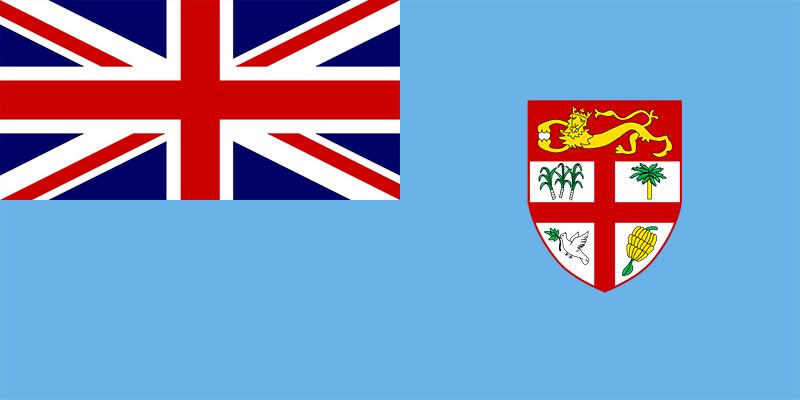
The Fiji archipelago is composed of approximately 300 islands and 540 islets, with about 100 of these islands being inhabited. The landmass is primarily dominated by two large islands, which together account for the majority of the country’s area.23
The primary islands and island groups include:
- Viti Levu: The largest island in the country, covering about 4,000 square miles. It serves as the economic and political center, housing the capital city, Suva.423
- Vanua Levu: The second largest island, known historically as Sandalwood Island. It features a central mountain range and significant agricultural regions.35
- Lau Group: A cluster of 57 islands and islets located to the east of the Koro Sea, characterized by a blend of Polynesian and Melanesian cultural influences.63
- Yasawa Group: A volcanic island chain known for its scenic landscape.73
- Kadavu Island: Another significant island within the archipelago.7
- Taveuni Island: A notable island often included among the primary landmasses of the nation.7
How do coral reefs affect navigation in the Pacific?
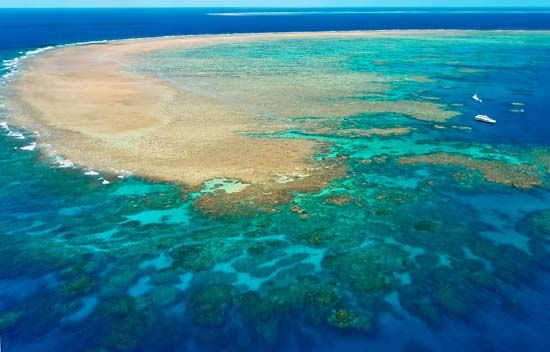
Coral reefs significantly impact navigation in the Pacific Ocean by creating complex physical barriers that restrict maritime access. In regions like the Koro Sea, sea-lanes are often densely lined with these formations, leaving only a limited number of navigable approaches to island groups.1
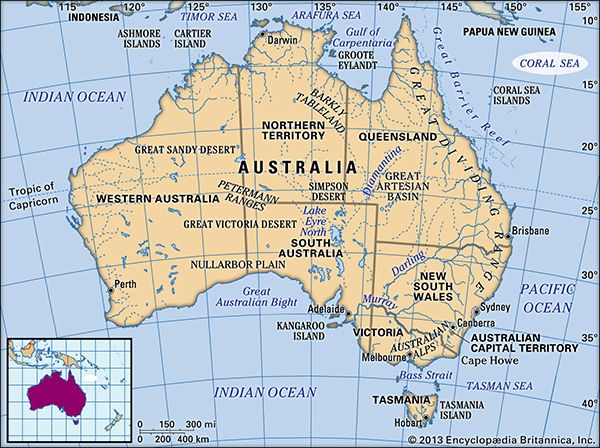
Similarly, the Coral Sea is defined by its extensive coral structures, most notably the Great Barrier Reef. Because of these vast, shallow, and hazardous formations, major ocean shipping routes between eastern Australia and the South Pacific islands are forced to traverse the sea through specific, designated channels—such as the one located 200 miles east of the reef—to ensure safe passage. These reefs effectively dictate the geography of maritime transit, requiring vessels to navigate around extensive, shallow obstacles that would otherwise be impassable.81
What is a submarine depression?
In oceanography, the term “submarine depression” typically refers to two distinct geological features: deep-sea trenches and submarine canyons.
Deep-Sea Trenches
These are long, narrow, and steep-sided depressions found on the ocean floor that contain the greatest oceanic depths, ranging from approximately 7,300 to over 11,000 meters. They are primarily formed through plate tectonics where one tectonic plate subducts beneath another. Notable examples include the Mariana Trench, the Yap Trench, and the Japan Trench.101112
Submarine Canyons
Unlike trenches, these are V-shaped, steep-sided valleys that cut into continental slopes and continental rises. They resemble terrestrial river canyons and serve as conduits for transporting sediment from continental margins to the deep sea. While their origins are debated, they are largely shaped by marine processes, particularly turbidity currents.13
Sources
- Koro Sea — Encyclopædia Britannica
- Lau Group — Encyclopædia Britannica
- Viti Levu — Encyclopædia Britannica
- Fiji — Encyclopædia Britannica
- list of islands - Fiji — Encyclopædia Britannica
- Fiji - Relief — Encyclopædia Britannica
- Vanua Levu Island — Encyclopædia Britannica
- coral reef - Other threats — Encyclopædia Britannica
- Coral Sea — Encyclopædia Britannica
- deep-sea trench — Encyclopædia Britannica
- submarine canyon — Encyclopædia Britannica
- Yap Trench — Encyclopædia Britannica
- Japan Trench — Encyclopædia Britannica
Published on · 2 min read