Kosi River
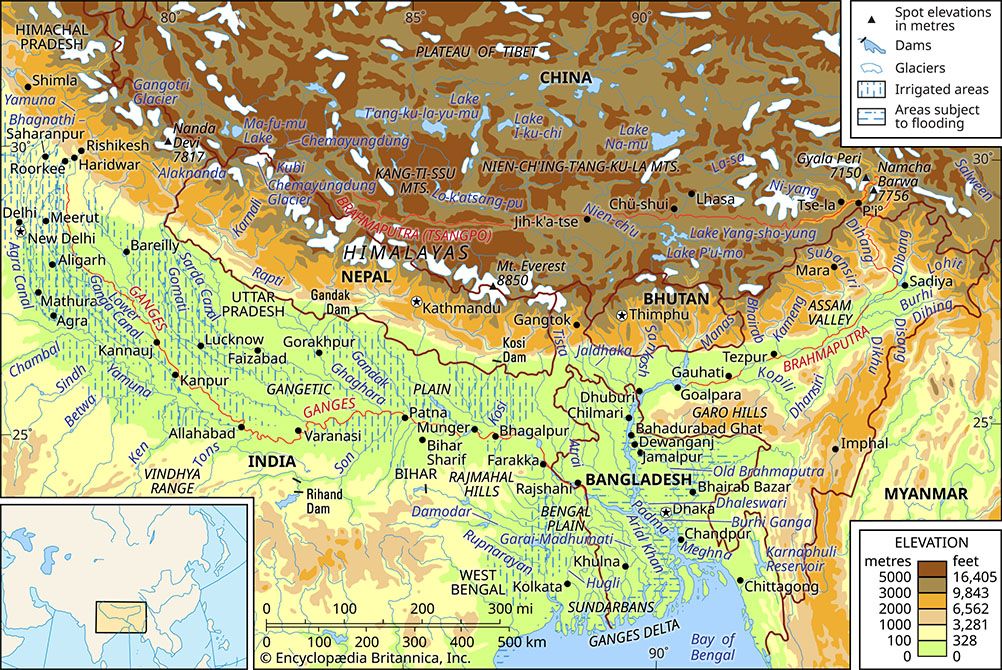
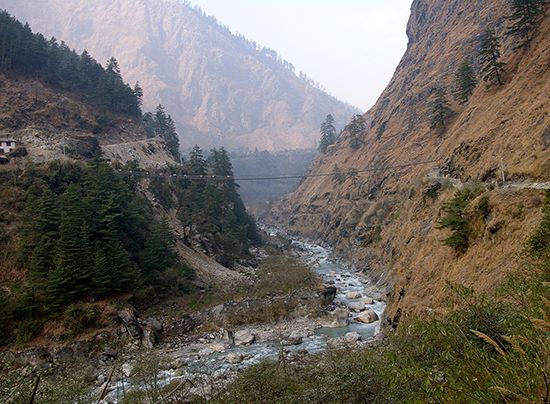
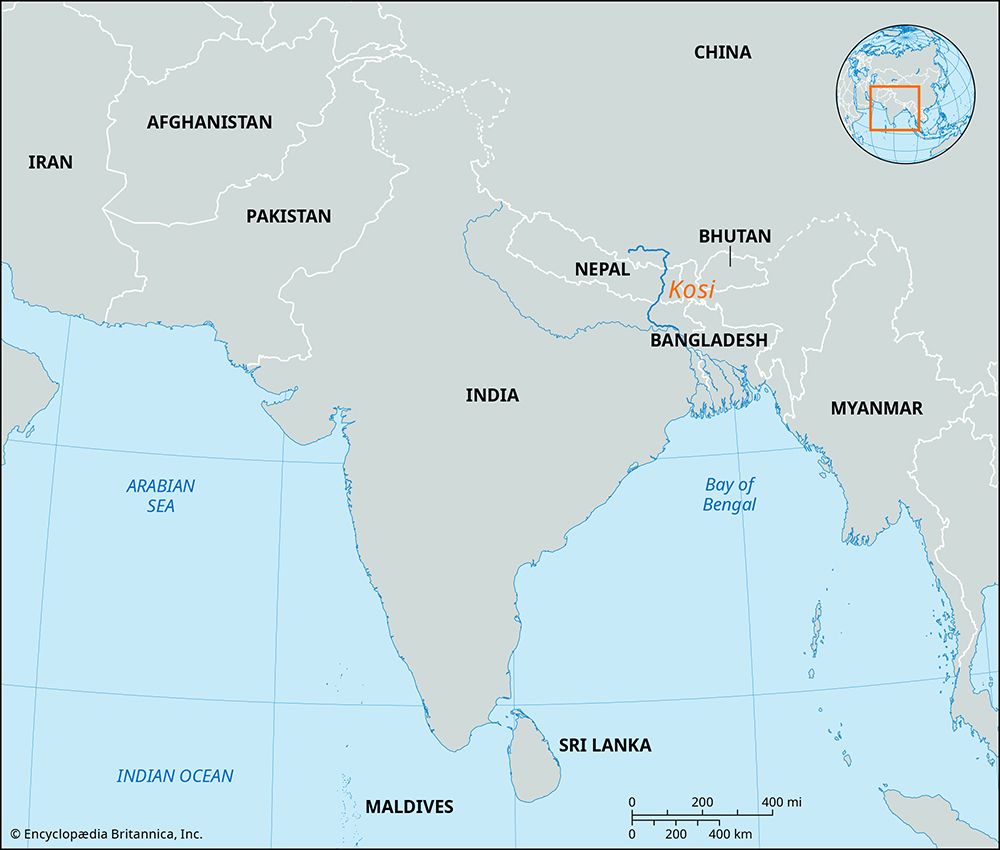
The Kosi River has profoundly shaped the lives of communities in Nepal and northern India through its volatile nature and its potential for development.…
How has the Kosi River influenced the cultural and economic aspects of the communities living along its banks?
The Kosi River has profoundly shaped the lives of communities in Nepal and northern India through its volatile nature and its potential for development. Historically, the river was notorious for devastating, unpredictable floods that rendered vast areas of northern Bihar unsafe for habitation or agriculture, as the river frequently shifted its channel due to massive sediment deposits.1
Economically, the river’s influence has transitioned from a source of instability to a vital resource. The construction of a dam at the Chatra Gorge has been transformative, allowing for:
- Flood Control: Mitigating the historical threat to settlements and farmland.1
- Agriculture: Enabling irrigation across the floodplain and supporting the extensive cultivation of corn (maize) on the region’s sandy soils.1
- Energy and Industry: Providing hydroelectric power through joint projects with India, which serve as a foundation for regional development.2
- Fisheries: Supporting local fish hatcheries.1
While the river provides essential resources, rapid, unplanned urbanization in the Tarai plain has led to significant water pollution, posing ongoing challenges for the health and sustainability of local communities.2
What are the major tributaries of the Kosi River and where do they join the main river?
The Kosi River is a major river system in Nepal and northern India. While the provided search results note that the river is joined by several major tributaries about 30 miles (48 km) north of the Indian-Nepalese frontier before it breaks through the Siwālik Hills at the Chatra Gorge, the specific names of these individual tributaries are not detailed in the available documentation.1
It is important to distinguish this Kosi River from the separate river of the same name located in the state of Uttarakhand, which is a distinct waterway within the Ganges drainage system.3
How has the shifting course of the Kosi River affected agriculture and land use in the region?
The Kosi River has historically exerted a powerful influence on land use and agriculture in northern Bihar due to its unstable nature. Because the river carries massive amounts of debris, it lacks a permanent channel, causing it to shift frequently across the landscape.1
This volatility historically rendered vast tracts of land unsafe for habitation or cultivation, as the river was prone to sudden, devastating floods that could rise as much as 30 feet in a single day. These shifting channels also left behind abandoned courses, which are now marked by depressions and lakes across the North Bihar Plain.14
In recent times, the construction of a dam at the Chatra Gorge has significantly altered the agricultural landscape by confining the river within artificial embankments. This control has enabled:14
- Irrigation: The regulation of water flow now permits consistent irrigation across the floodplain.1
- Crop Cultivation: The region’s sandy soils are now utilized extensively for the cultivation of corn (maize).1
What significant engineering projects or dams have been constructed on the Kosi River, and what are their purposes?
To manage the volatile nature of the Kosi River, a major engineering project was constructed at the Chatra Gorge near Barakakshetra. This dam serves several critical functions for the region:1
- Flood Control: By regulating the river’s flow, the dam helps mitigate the historically devastating floods that once made large areas of northern Bihar unsafe for human settlement and agriculture.1
- Irrigation: The project enables the consistent irrigation of the surrounding floodplain, supporting the cultivation of crops such as corn (maize) on the region’s sandy soils.1
- Hydropower: The dam is utilized to generate electricity, contributing to the energy needs of the area.1
- Aquaculture: The facility supports the operation of fish hatcheries.1
Sources
- Kosi River — Encyclopædia Britannica
- Nepal - Drainage — Encyclopædia Britannica
- Uttarakhand - Drainage — Encyclopædia Britannica
- Bihar - Relief, drainage, and soils — Encyclopædia Britannica
Published on · 3 min read