Kratom
Kratom (Mitragyna speciosa) is a large evergreen tree native to Southeast Asia that belongs to the Rubiaceae family, which also includes coffee. Its leaves…
What is Kratom?
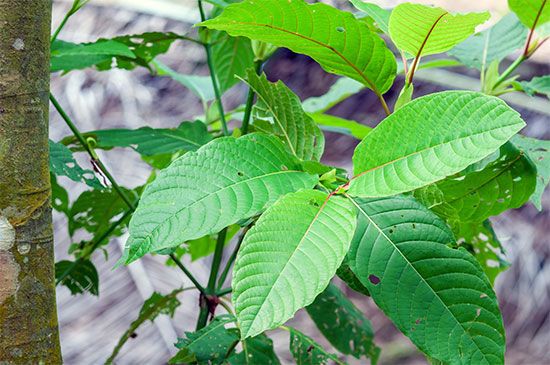
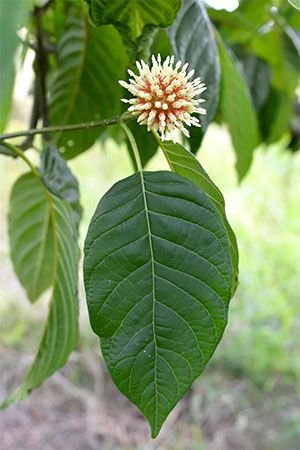
Kratom (Mitragyna speciosa) is a large evergreen tree native to Southeast Asia that belongs to the Rubiaceae family, which also includes coffee. Its leaves contain psychoactive alkaloids, primarily mitragynine and 7-hydroxymitragynine, which produce stimulant-like effects at low doses and sedative, opioid-like effects at higher doses.12
Historically, the leaves have been chewed by laborers to increase energy and manage pain. Today, it is used globally for self-medicating conditions such as anxiety, depression, and opioid withdrawal. However, the U.S. Food and Drug Administration (FDA) has not approved kratom for any medical use, warning that it lacks safety data and can cause serious side effects, including seizures, liver damage, and physical dependence.12
Because of the potential for adverse health outcomes and the lack of rigorous scientific research, it is essential to approach the use of such substances with extreme caution and prioritize evidence-based medical guidance.
What are alkaloids and how do they affect the human body?
Alkaloids are a class of naturally occurring organic compounds characterized by the presence of at least one nitrogen atom, typically within a cyclic structure. Derived primarily from plants—though also found in some fungi and animal species—these substances are generally bitter in taste and act as bases, reacting with acids to form salts.34
Physiological Effects on the Human Body
Alkaloids are known for their wide-ranging and potent physiological effects, which stem from their ability to interact with various biological systems. Because they are biologically active, they can produce both therapeutic and toxic outcomes depending on the substance and dosage.34
- Central Nervous System: Many alkaloids act as stimulants or depressants. For example, nicotine is a potent stimulant and addictive agent, while morphine acts as a powerful narcotic for pain relief.3
- Neuromuscular System: Some alkaloids, such as tubocurarine found in curare, function as neuromuscular blocking agents. They compete with the neurotransmitter acetylcholine, causing skeletal muscle relaxation or, in high doses, paralysis.5
- Cardiovascular and Respiratory Systems: Certain alkaloids can regulate heart rhythms, such as quinidine, or act as blood-vessel constrictors, like ephedrine.3
- Toxicity: Many alkaloids are highly poisonous. Substances like strychnine and coniine can cause severe respiratory distress, convulsions, and death.34
Given their significant impact on human health, the study of these compounds remains a critical area of organic chemistry and medicine.3
How do stimulant and sedative effects differ in their impact on the brain?
Stimulants and sedatives exert opposing effects on the central nervous system by altering the activity of specific neurotransmitters in the brain.678
Stimulants
Stimulants enhance alertness, attention, and energy by increasing the activity of neurotransmitters such as dopamine and norepinephrine.69
- Mechanism: They often block the reuptake of these chemicals or trigger their release, which reinforces reward pathways and activates the sympathetic nervous system’s “fight-or-flight” response.98
- Impact: This leads to increased heart rate, blood pressure, and cognitive performance, but can also result in insomnia, anxiety, and potential for dependence.6910
Sedatives
Sedatives, such as benzodiazepines and Z-drugs, produce a calming effect by dampening neuronal excitability.711
- Mechanism: They primarily augment the activity of gamma-aminobutyric acid (GABA), an inhibitory neurotransmitter. By binding to GABA receptors, they decrease neural transmission, which induces relaxation and sleep.7118
- Impact: While effective for treating insomnia or anxiety, they can cause decreased coordination, respiratory depression, and, in cases of misuse or overdose, loss of consciousness or death.711
What are some other plants that have been used in traditional medicine for centuries?
Throughout history, various civilizations have relied on plants to treat ailments, many of which remain relevant in modern medicine. Notable examples include:
- Cinchona (Cinchona): Native to the Andes, the bark of this tree contains quinine, which served as the primary treatment for malaria for centuries. as the primary treatment for malaria for centuries.12
- Willow Bark: The primary ingredient in aspirin was originally derived from this source.13
- Yew Tree: Taxol, a significant drug used in cancer treatment, was originally extracted from the bark of the yew tree.13
- Ma Huang: Used in ancient Chinese medicine, this plant contains ephedrine, which is still utilized today in preparations for allergy and cold symptoms.14
- Senna and Peppermint: Ancient Egyptians utilized senna pods for constipation and peppermint for indigestion.14
- African Devil’s Claw (Harpagophytum procumbens): The root of this plant is traditionally used to treat chronic lower back pain.13
- St. John’s Wort (Hypericum perforatum): Long used in herbal traditions, it is commonly applied today to treat mild to moderate depression.15
These plants highlight the enduring legacy of traditional medicine in shaping contemporary pharmacology.1314
Sources
- Kratom — Encyclopædia Britannica
- kratom — Merriam-Webster
- alkaloid — Encyclopædia Britannica
- curare — Encyclopædia Britannica
- poison - Plant poisons (phytotoxins) — Encyclopædia Britannica
- stimulant: Top Questions — Encyclopædia Britannica
- stimulant — Encyclopædia Britannica
- midazolam — Encyclopædia Britannica
- zolpidem — Encyclopædia Britannica
- amphetamine — Encyclopædia Britannica
- psychotropic drug — Encyclopædia Britannica
- Did you know? — Merriam-Webster
- phytotherapy — Encyclopædia Britannica
- pharmaceutical industry - Medicines of ancient civilizations — Encyclopædia Britannica
- Cinchona — Encyclopædia Britannica
- herbal — Encyclopædia Britannica
- Ayurveda — Encyclopædia Britannica
- traditional Chinese medicine - Herbal therapy — Encyclopædia Britannica
Published on · 4 min read