Mastiff
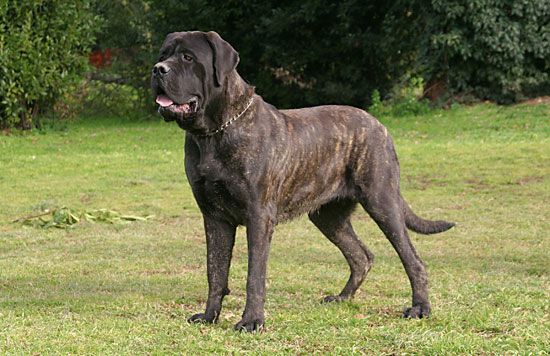
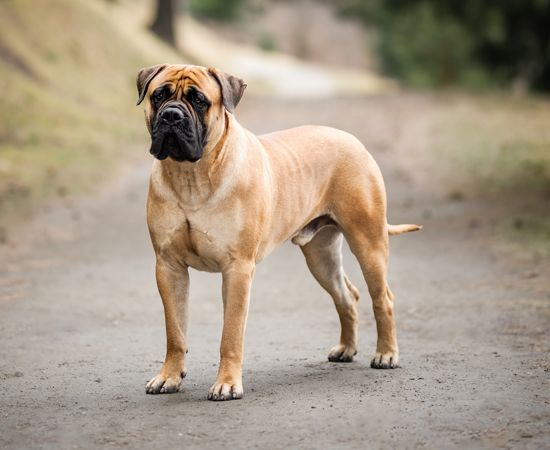
The Mastiff is a large breed that typically has a lifespan of 6–10 years. Because of their significant body mass, they are categorized as "huge" dogs, a size…
How long do Mastiffs typically live, and what factors can affect their lifespan?
The Mastiff is a large breed that typically has a lifespan of 6–10 years. Because of their significant body mass, they are categorized as “huge” dogs, a size class that generally faces a shorter life expectancy compared to smaller breeds.12
Several factors influence the lifespan and health of a Mastiff:
- Body Mass and Growth: Research suggests that body mass plays a role in longevity, with some studies estimating that dogs lose approximately one month of life for every 4.4 pounds of body mass. To mitigate health risks, it is recommended that puppies be fed a large-breed formula to slow their growth rate, which helps reduce the risk of hip dysplasia.21
- Health Conditions: The breed is susceptible to gastric dilatation-volvulus (GSV), a life-threatening stomach condition that often requires surgical intervention. Additionally, their large size and short nasal passages make them prone to overheating, meaning they are not well-suited for warm climates.1
- Genetic Factors: As a purebred dog, the Mastiff may be more vulnerable to inherited health issues compared to mixed-breed dogs.2
How do Mastiffs compare to other large dog breeds in terms of care requirements and health concerns?
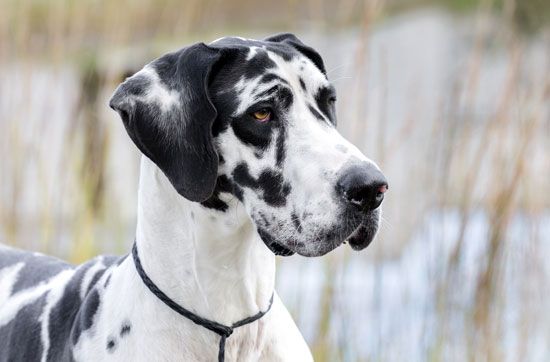
Mastiffs share many care requirements and health concerns with other giant breeds, such as the Great Dane, due to their immense size and physical structure.13
Care Requirements
- Space and Logistics: Both breeds require significant living space to stretch out and sleep, as well as large vehicles for transport. Because of their size, they are expensive to maintain, with higher costs for food, veterinary care, and specialized equipment.13
- Physical Upkeep: Both breeds are prone to developing callouses and bursitis, making soft bedding essential. They also require daily exercise, though their size makes high-impact activities like agility training difficult.13
- Environmental Sensitivity: Both breeds are susceptible to overheating due to their large body mass, making them better suited for temperate climates.13
- Hygiene: Drooling is a common trait in both Mastiffs and Great Danes, which may be a consideration for fastidious owners.13
Health Concerns
- Gastric Dilatation-Volvulus (GDV): Like many large- and giant-breed dogs, both are at high risk for gastric dilatation-volvulus, a life-threatening condition where the stomach twists. Preventive surgery is often recommended for both breeds.134
- Orthopedic Issues: Both are prone to hip dysplasia. To mitigate this, it is standard practice to feed puppies a large-breed formula that slows their growth rate, protecting their developing bones.134
- Breed-Specific Risks: While both share general giant-breed concerns, Great Danes have a specific predisposition to cardiomyopathy, a heart muscle condition.3
What is the history and origin of the Mastiff breed?
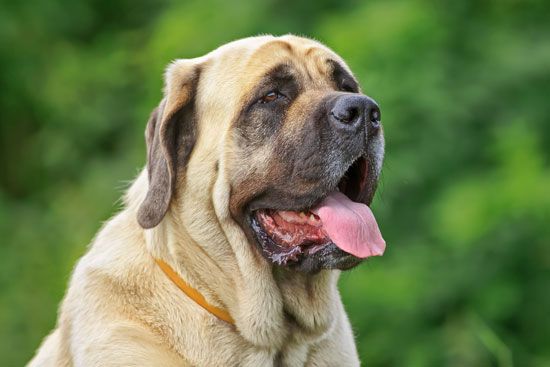
The Mastiff, often referred to as the English Mastiff, is a breed with a history spanning more than 2,000 years. While the breed is associated with medieval England, dogs of this type appear in European and Asian records dating back to 3000 BCE. These dogs are sometimes linked to the Molossian breeds, which share a common ancestor.1
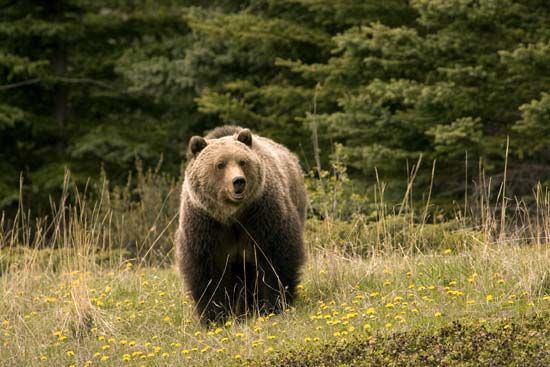
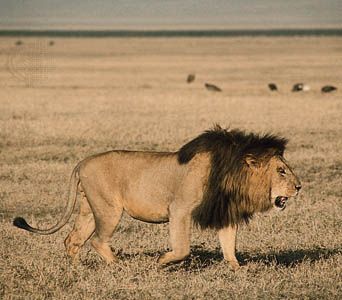
Historically, Mastiffs were developed as powerful working dogs to protect homes and travelers from harm. Their strength and size led them to be utilized as war dogs and guardians. During the Roman occupation of England, these dogs were taken to ancient Rome to compete in arenas, where they were pitted against gladiators and wild animals such as bears, lions, and tigers. In later centuries, they were also used in bullbaiting and bearbaiting rings in England.51
Although it is believed that a Mastiff may have been among the dogs on the Mayflower in 1620, the breed did not arrive in America in significant numbers until the late 1800s. The American Kennel Club officially recognized the breed in 1885.1
How much exercise do Mastiffs require, and what types of activities are best suited for them?
While Mastiffs are not considered highly active dogs, they still require approximately one hour of daily exercise to maintain their health and well-being. Due to their massive size and physical structure, high-impact activities like jogging or long-distance hiking are not recommended, as these can be difficult for the breed to manage.1
Instead, the following low-impact activities are well-suited for Mastiffs:
- Walking: Daily walks are essential for keeping the dog mobile and engaged.1
- Interactive Play: Games such as tug-of-war are enjoyable for the breed.1
- Swimming: This is an excellent, low-impact form of exercise that allows them to move without putting excessive stress on their joints.1
- Mental Stimulation: Activities like nose work and trick training provide necessary mental engagement without requiring strenuous physical exertion.1
It is important to note that because of their large body mass and short nasal passages, Mastiffs are highly susceptible to overheating. Exercise should be limited or moved to air-conditioned environments during warmer weather to ensure the dog’s safety.1
Sources
- Mastiff — Encyclopædia Britannica
- Calculating dog years — Encyclopædia Britannica
- Great Dane — Encyclopædia Britannica
- dog - Ailments — Encyclopædia Britannica
- dog - Origin of breeds — Encyclopædia Britannica
Published on · 4 min read