Vizsla
The Vizsla is a versatile sporting dog that comes in two coat varieties, each with different grooming needs.
What are the grooming requirements for a Vizsla?
The Vizsla is a versatile sporting dog that comes in two coat varieties, each with different grooming needs.
For the standard short, smooth-coated Vizsla, maintenance is straightforward. The coat requires only occasional brushing to remove loose hair and infrequent bathing. In contrast, the wirehaired version, which features hairy eyebrows and a beard, requires more frequent grooming to maintain its coat properly.1
Regardless of the coat type, all Vizslas require routine health maintenance. Owners should regularly check and clean the dog’s ears, eyes, and teeth, and ensure that the nails are kept trimmed. Beyond these standard practices, the breed does not require any special maintenance.1
How does the Vizsla compare to other hunting dog breeds?
The Vizsla is classified as a sporting dog, a group defined by their ability to scent, point, flush, or retrieve game on land and in water. Compared to other hunting breeds, the Vizsla is distinguished by its dual-purpose utility as both a pointer and a retriever.13
Comparison with Other Sporting Breeds
While all sporting dogs are generally intelligent and active, the Vizsla possesses unique physical and behavioral traits:
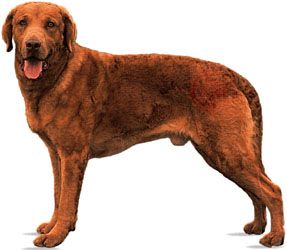
- Versatility: Unlike breeds specialized primarily for one task, such as the Chesapeake Bay Retriever (duck hunting) or the Pointer (pointing), the Vizsla was developed on the Hungarian plains to be a swift, cautious hunter that performs both pointing and retrieving duties.13
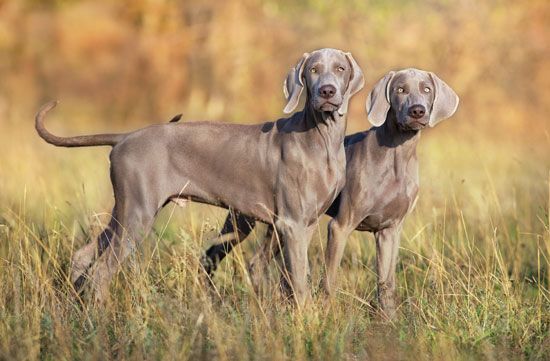
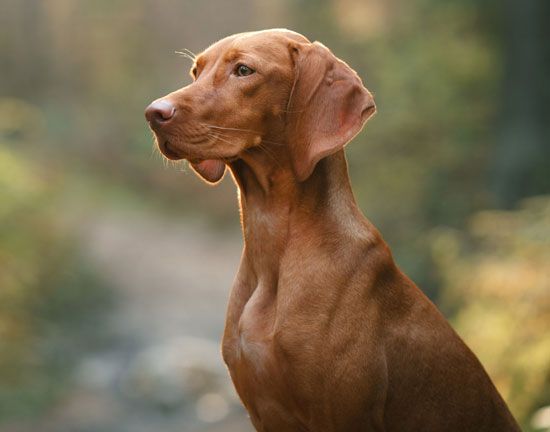
- Physical Build: The Vizsla is a medium-sized, light-built dog (40–60 pounds) with a distinctive reddish-gold or sandy-yellow coat. It is often compared to the Weimaraner, though the Weimaraner is typically larger, heavier, and gray in color.34
- Temperament: Vizslas are known for being “close-working” hunters, meaning they remain attentive to human signals and stay near their handlers, whereas some other gun dogs may range further afield.1
Distinction from Hounds
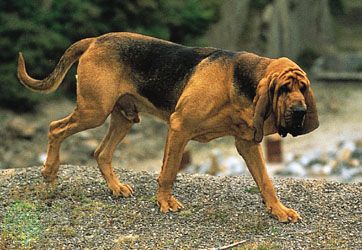
It is important to distinguish the Vizsla from the Hound group. While both are hunting dogs, Hounds are a much more diverse category—ranging from the scent-tracking Bloodhound to the sight-coursing Greyhound—and are often bred for specific tracking or coursing tasks rather than the pointing and retrieving roles typical of the Vizsla.5
What are the physical characteristics of the Vizsla breed?
The Vizsla is a medium-sized, graceful sporting dog characterized by its athletic build and distinct appearance. Below are the primary physical characteristics of the breed:
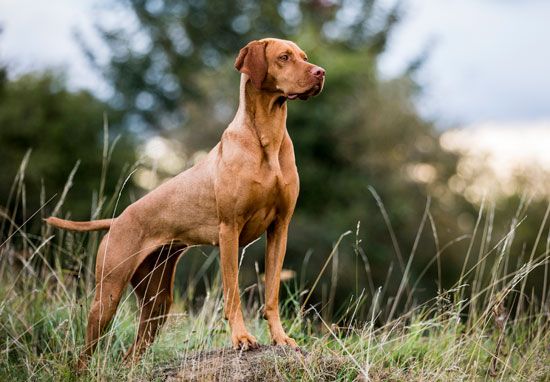
- Size: They typically stand between 21–24 inches (53–61 cm) at the withers and weigh between 44–60 pounds (20–27 kg).1
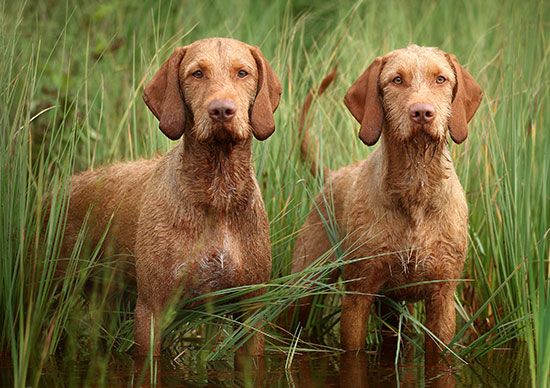
- Coat: The standard variety features a short, smooth coat that is reddish-gold or sandy-yellow in color. A wirehaired version also exists, which was developed in the 1930s for colder climates and is distinguished by a bulkier coat, hairy eyebrows, and a beard.1
- Features: The breed is often noted for its brown eyes and a tail that is traditionally docked one-third in regions where the practice remains legal.16
- Build: Developed as a swift and cautious hunter on the Hungarian plains, the Vizsla possesses a light, agile frame that allows it to function effectively as both a pointer and a retriever.15
How much exercise and activity do Vizslas require?
The Vizsla is a highly energetic breed that requires at least one hour of daily exercise to maintain its health and well-being. Because they were developed as active hunting dogs, they thrive on vigorous physical activity.1
For most Vizslas, practical activities such as running, swimming, and fetching are excellent ways to meet their exercise needs. While they particularly enjoy hunting birds in the field, they also excel in organized dog sports, including agility and hunt tests.1
Providing this consistent daily exercise is essential for the breed’s temperament; when their activity requirements are met, Vizslas are typically calm and well-mannered indoors. Conversely, a lack of adequate exercise may lead to restlessness. Given their high energy levels, they are considered an especially good choice for active owners who can commit to their physical needs.1
Sources
- Vizsla — Encyclopædia Britannica
- cats as pets - Shorthaired cats — Encyclopædia Britannica
- sporting dog — Encyclopædia Britannica
- dog - Hounds — Encyclopædia Britannica
- 17 Words for Dog Breeds | Vizsla — Merriam-Webster
- vizsla — Merriam-Webster
Published on · 3 min read