Komondor
The komondor is a large, powerful Hungarian sheepdog breed that was brought to Europe in the 9th century by the Magyars. Unlike many other sheepdogs, it was…
What is komondor?
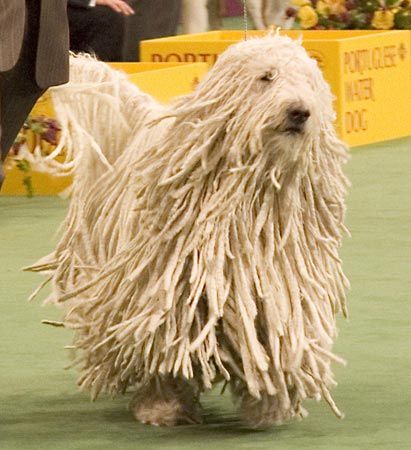
The komondor is a large, powerful Hungarian sheepdog breed that was brought to Europe in the 9th century by the Magyars. Unlike many other sheepdogs, it was historically kept to protect livestock rather than to herd them.1
Physically, the komondor is a heavy-boned dog that stands at least 27.5 inches tall and typically weighs 100 pounds or more. Its most distinctive feature is its coat, which consists of heavy, white, tassel-like cords. Hungarian shepherds intentionally left these coats tangled, as the thick, woolly texture served as vital protection against the fangs of wolves and other predators. Known for being courageous and independent, the komondor remains a devoted guardian.1
How do the Komondor’s unique cords protect it from predators?
The Komondor’s unique, heavy, and tassel-like white cords serve as a specialized defense mechanism. By allowing the coat to remain naturally tangled, the woolly texture creates a thick, protective layer over the dog’s body. This dense matting acts as a physical shield, effectively guarding the animal against the fangs of wolves and other predators during its duties as a sheepdog.12
What is the difference between a herding dog and a guardian dog?
The primary difference between herding dogs and guardian dogs lies in their functional roles regarding livestock management and protection.
Herding Dogs
Herding breeds are specifically developed to assist in the movement and control of livestock. They are characterized by their intelligence, agility, and ability to work across various terrains in short bursts of speed. These dogs often manage flocks through active behaviors such as:34
- Circling and barking to keep animals together.
- Nipping at heels to drive movement.
- Using a “hypnotic stare” to direct the flock silently.3
Herding dogs are highly responsive to human signals, such as whistles or hand gestures, and are often versatile enough to serve as family pets or in obedience competitions.34
Guardian Dogs
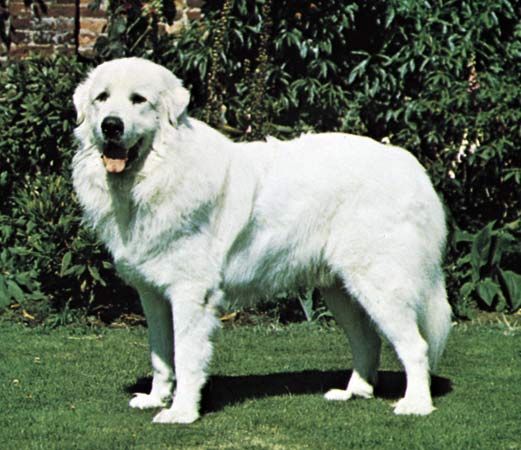
In contrast, dogs bred to guard livestock—such as the Great Pyrenees, komondor, and kuvasz—are focused on protection rather than movement. While herding dogs are often medium-sized and lithe, livestock guardian breeds are typically large, robust, and muscular, bred to defend their charges against predators. Their role is to remain with the flock to provide security, whereas herding dogs are active participants in the management of the animals.53
What other dog breeds originated in Hungary?
Several dog breeds originated in Hungary, many of which were introduced or developed by the Magyars over the last millennium. These breeds include:
- Vizsla: A versatile sporting dog used for pointing and retrieving. Known as the “Gift of Kings,” this breed was developed on the Hungarian plains as a swift, cautious hunter.67
- Puli: A small, agile sheepdog recognized for its unique, dense coat that naturally forms long, thin cords.18
- Komondor: A large, powerful livestock guardian breed covered in heavy, tassel-like white cords that protect it from predators.9
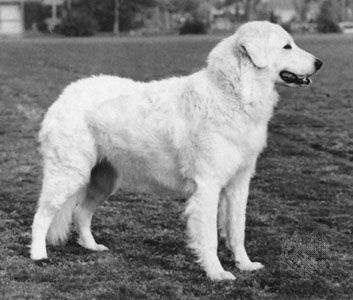
- Kuvasz: A sturdy, white-coated guard and shepherd dog that has been prized by nobility for centuries for its protective instincts and independent nature.10
Sources
- komondor — Encyclopædia Britannica
- 17 Words for Dog Breeds | Komondor — Merriam-Webster
- dog - Herding dogs — Encyclopædia Britannica
- dog - Working dogs — Encyclopædia Britannica
- herding dog — Encyclopædia Britannica
- Vizsla — Encyclopædia Britannica
- puli — Encyclopædia Britannica
- kuvasz — Encyclopædia Britannica
- puli — Merriam-Webster
- 17 Words for Dog Breeds | Vizsla — Merriam-Webster
Published on · 2 min read