Kuwohi
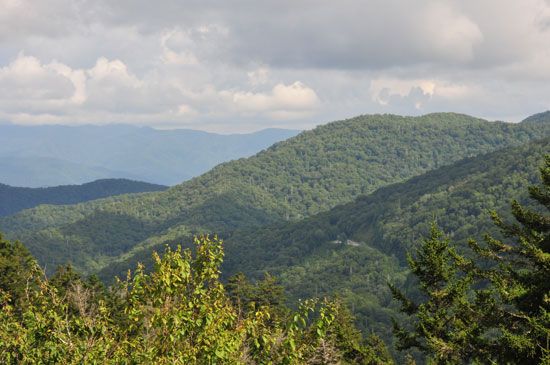
Kuwohi is a mountain peak located within Great Smoky Mountains National Park near the border of Tennessee and North Carolina. Standing at 6,643 feet (2,025…
What is Kuwohi?
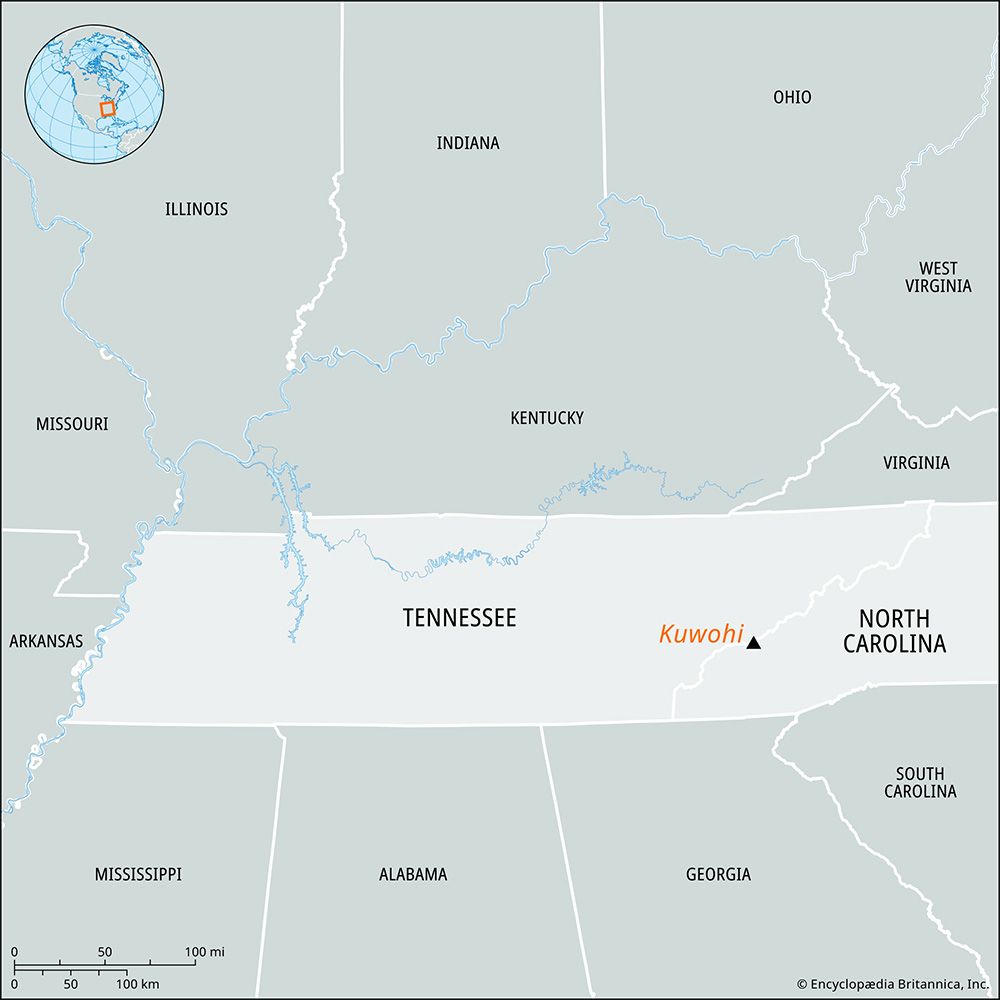
Kuwohi is a mountain peak located within Great Smoky Mountains National Park near the border of Tennessee and North Carolina. Standing at 6,643 feet (2,025 meters), it is the highest point in Tennessee and the highest elevation along the Appalachian National Scenic Trail.1
The peak was previously known as Clingman’s Dome, named in 1859 for Thomas L. Clingman, a legislator who supported the Confederacy. In September 2024, the U.S. Board on Geographic Names unanimously approved a request from the Eastern Band of Cherokee Indians to restore the mountain’s traditional name, Kuwohi, which translates to “mulberry place”. Visitors to the summit can access a 54-foot observation tower that provides panoramic views of the Great Smoky Mountains.1
What does the name Kuwohi mean in the Cherokee language?
In the Cherokee language, the name Kuwohi translates to “mulberry place.”1
What other landmarks have had their names restored to indigenous origins?
Several landmarks in the United States have undergone name changes to restore their original indigenous titles, reflecting a broader effort to honor the history and heritage of Native American peoples.
A prominent example is Denali, the highest peak in North America. Known to the Athabaskan people as Denali—meaning “The High One” or “The Great One”—the mountain was officially renamed Mount McKinley in 1896 to honor William McKinley. After decades of advocacy, the name was officially restored to Denali in 2015. However, the naming history of this landmark remains subject to political shifts; in early 2025, an executive order directed that the name be reverted to Mount McKinley, a change subsequently enacted by the Board on Geographic Names.4
As previously discussed, the peak formerly known as Clingman’s Dome was restored to its traditional Cherokee name, Kuwohi, in 2024. These restorations represent a significant step in recognizing the deep-rooted cultural connections indigenous communities maintain with the landscape.4
What is the significance of the Great Smoky Mountains to the Cherokee people?
The Great Smoky Mountains hold profound historical and cultural significance for the Cherokee people, who were the region’s original inhabitants. They referred to the area as Shaconage, meaning “place of the blue smoke,” a name inspired by the natural bluish haze that blankets the mountains.536
Beyond its naming, the region served as a vital ancestral domain. During the forced removals of the 19th century, the rugged terrain of the mountains provided a refuge for several hundred Cherokee who evaded capture. These individuals, along with those who later returned, formed the foundation of the Eastern Band of Cherokee, establishing a community in North Carolina near the present-day Great Smoky Mountains National Park. Today, the mountains continue to embrace the Cherokee Indian Reservation, maintaining a lasting connection between the land and its indigenous stewards.367
Sources
- Kuwohi — Encyclopædia Britannica
- Clingmans Dome — Merriam-Webster
- Great Smoky Mountains — Encyclopædia Britannica
- Mount McKinley — Encyclopædia Britannica
- Where do the Great Smoky Mountains get their name? — Encyclopædia Britannica
- Great Smoky Mountains National Park — Encyclopædia Britannica
- Trail of Tears: Routes, Statistics, and Notable Events - Roundup routes — Encyclopædia Britannica
Published on · 2 min read