Ladakh Range
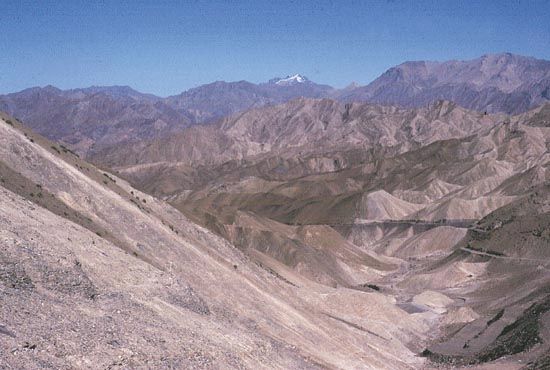
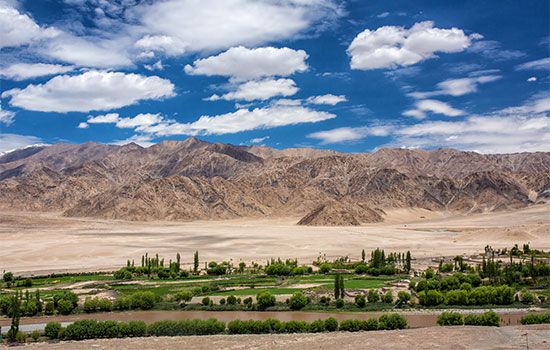
The Ladakh Range, situated in a high-altitude, cold, and arid environment, supports a specialized ecosystem where life is largely confined to valleys and…
What unique flora and fauna can be found in the Ladakh Range ecosystem?
The Ladakh Range, situated in a high-altitude, cold, and arid environment, supports a specialized ecosystem where life is largely confined to valleys and sheltered areas.12
Flora
Vegetation is sparse due to the harsh climate. In valleys and near watercourses, you can find:
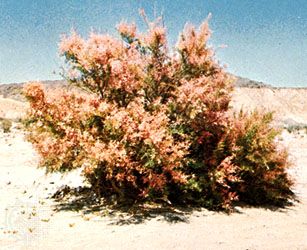
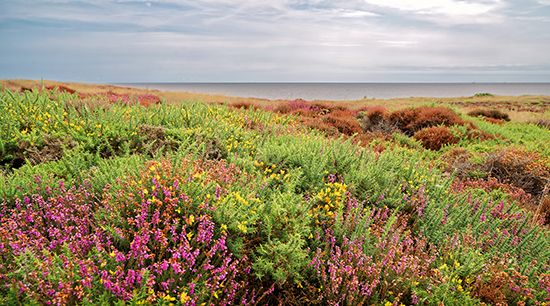
- Shrubs: Stunted growth of tamarisk and furze (gorse), which are vital sources of firewood.12
- Trees: Poplars and fruit trees, such as apricot, are cultivated in settled areas like Leh.12
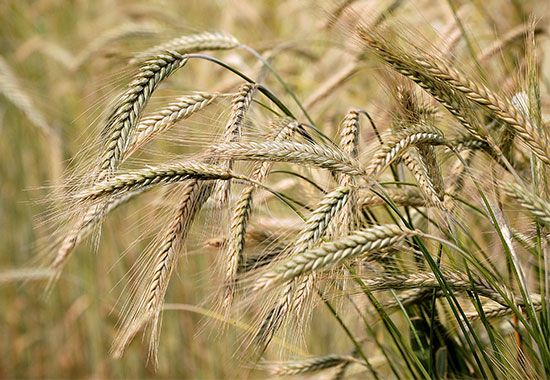
- Crops: Agriculture in the region includes barley, wheat, millet, buckwheat, peas, beans, and turnips.1
Fauna
The region is home to several cold-tolerant and rare species:
- Mammals: Notable wildlife includes the snow leopard, Siberian ibex, Ladakh urial, blue sheep, marmots, and the kiang (wild ass). Brown and black bears are also present.3
- Birds: The region hosts numerous migratory ducks and the black-necked crane, the only known alpine species of crane.3
- Unique Populations: A small population of double-humped Bactrian camels resides in the Nubra Valley, a historical legacy of the Silk Road.3
How was the Ladakh Range formed geologically?
The Ladakh Range was formed through complex tectonic processes associated with the collision between the Indian subcontinent and the Eurasian Plate.78
Geologically, the range is primarily composed of granite rocks belonging to the Ladakh batholith. These granites were intruded into the southern margin of the Asian crust between 120 million and 50 million years ago. This activity occurred while the floor of the Tethys Ocean was being subducted beneath southern Asia, predating the final continental collision.98
The range is bounded by two significant tectonic features: the Shyok River suture zone to the north and the Indus River suture zone to the south. These suture zones represent the remnants of the Tethys Ocean floor, where volcanic and sedimentary rocks were folded and thrust over one another as the two plates converged. Following the collision of India with Eurasia approximately 40 to 50 million years ago, continued crustal shortening and tectonic pressure contributed to the uplift and structural development of the region.98710
What is the significance of the Ladakh Range in terms of geopolitics and international borders?
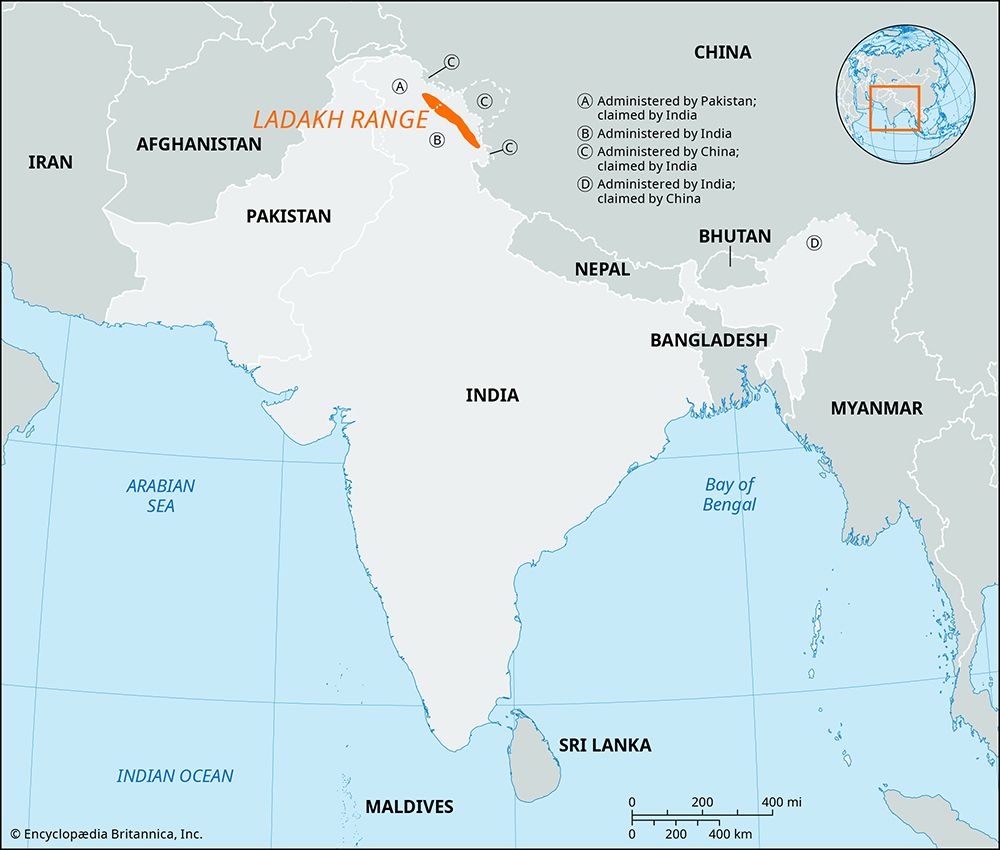
The Ladakh Range is a critical geopolitical feature in South Asia, serving as a focal point for long-standing territorial disputes between India, Pakistan, and China.12213
Because the range spans approximately 230 miles from the Shyok River in Pakistani-administered territory through Indian-administered Ladakh to the border of the Tibet Autonomous Region, it sits at the intersection of multiple contested boundaries.13
- India-Pakistan: Since the 1949 ceasefire, the region has been divided between the two nations. It has been the site of significant military conflict, most notably the Kargil War in 1999. The nearby Siachen Glacier remains a point of contention claimed by both sides.122
- India-China: Portions of northeastern Ladakh have been under Chinese administration since the Sino-Indian War of 1962. The Line of Actual Control (LAC) serves as the de facto boundary, though its precise alignment remains disputed, leading to periodic confrontations, such as the 2020 clash in the Galwan River valley.1227
What are some of the traditional practices and livelihoods of people living in the Ladakh Range area?
Traditional livelihoods in the Ladakh region are shaped by its high-altitude cold desert environment, with economic activities primarily concentrated in river valleys.142
Agriculture and Pastoralism
- Cultivation: Farmers utilize irrigation and manuring to grow crops such as barley, wheat, millet, buckwheat, peas, beans, and turnips in valley villages. Recent agricultural diversification has introduced orchards and vegetable fields, with some experimental efforts to grow produce like watermelon in response to changing climate conditions.142
- Pastoralism: Herding is a vital economic pillar. Shepherds tend flocks in high-altitude upland valleys unsuitable for farming. The region is particularly noted for raising the Kashmir goat, which provides cashmere for the textile industry, alongside the herding of yaks, sheep, and cattle.142
Manufacturing and Trade
Sources
- Ladakh - Animal life — Encyclopædia Britannica
- Ladakh — Encyclopædia Britannica
- Ladakh - Weather and climate change — Encyclopædia Britannica
- Himalayas - Animal life — Encyclopædia Britannica
- Exploring 7 of Earth’s Great Mountain Ranges - Himalayas — Encyclopædia Britannica
- Karakoram Range - Plant and animal life — Encyclopædia Britannica
- Ladakh Range — Encyclopædia Britannica
- Himalayas - Geologic history — Encyclopædia Britannica
- mountain - The Himalayan chain — Encyclopædia Britannica
- Ladakh - Land — Encyclopædia Britannica
- plate tectonics - Mountains by continental collision — Encyclopædia Britannica
- Ladakh - Border disputes — Encyclopædia Britannica
- India-China relations: Top Questions — Encyclopædia Britannica
- Ladakh - Agriculture — Encyclopædia Britannica
- Tibet: Top Questions — Encyclopædia Britannica
- Ladakh - Manufacturing — Encyclopædia Britannica
- Ladakh - People — Encyclopædia Britannica
Published on · 3 min read