Lady’s Mantle
The term "lady's mantle" refers to a genus of herbaceous perennials known as Alchemilla within the rose family. While these plants are widely recognized for…
How has lady’s mantle been used in art, literature, or symbolism throughout history?
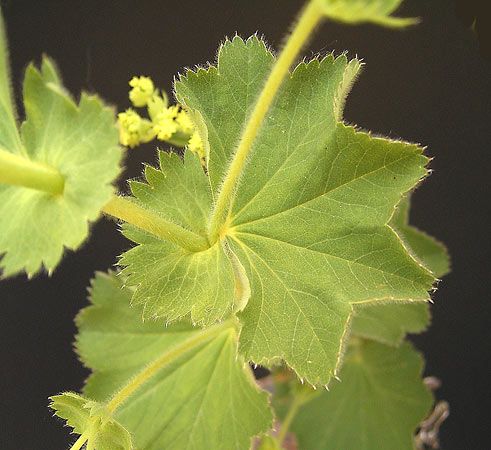
The term “lady’s mantle” refers to a genus of herbaceous perennials known as Alchemilla within the rose family. While these plants are widely recognized for their use as ornamental garden plants and their historical application in herbal remedies, the provided records do not contain information regarding their specific roles or symbolism in art and literature throughout history.12
The plant is notable for its superhydrophobic, or water-repellent, leaves, which often collect dew in their centers, a feature that has made them a popular choice for cottage gardens.2
How does lady’s mantle get its common name, and what folklore is associated with it?
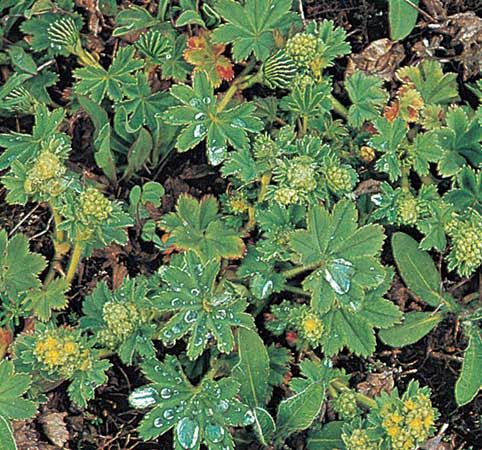
The common name “lady’s mantle” refers to the plant’s leaves, which are shaped like a cloak or mantle and were historically associated with the Virgin Mary. The genus name, Alchemilla, reflects a deeper layer of historical folklore: it is derived from the Medieval Latin alchymia (alchemy). This name stems from the belief that the water droplets (dew) collected on the plant’s superhydrophobic leaves possessed magical properties and were essential for alchemists attempting to turn base metals into gold.12
These herbaceous perennials in the rose family are well-known for their ability to bead water on their foliage, a phenomenon that likely fueled the mystical associations surrounding the plant during the Middle Ages. While the plant is now primarily valued as an ornamental in cottage gardens, its historical reputation was deeply tied to these alchemical traditions.123
What are some companion plants that grow well with lady’s mantle in gardens?
Lady’s mantle (Alchemilla) is a popular herbaceous perennial often used in borders and cottage gardens due to its attractive, clump-forming habit and unique, superhydrophobic foliage.2
While the provided search results do not list specific companion plants, lady’s mantle is generally valued in garden design for its ability to provide a soft, chartreuse texture that contrasts well with other plants. Because it thrives in similar conditions to many other perennials, it is frequently paired with plants that appreciate consistent moisture and partial shade. Common garden companions often include:
- Hostas: Their bold, broad leaves provide a striking contrast to the finely lobed, delicate foliage of lady’s mantle.
- Geraniums (Hardy varieties): These offer complementary textures and colors that thrive in similar border environments.
- Ferns: Their architectural fronds pair well with the low-growing, mounded habit of Alchemilla.
- Astilbes: These provide vertical, feathery flower spikes that contrast with the modest, terminal clusters of the lady’s mantle.
How does lady’s mantle reproduce and spread in nature?
Lady’s mantle (Alchemilla) reproduces and spreads primarily through the growth of its rhizomes, which are underground stems that allow the plant to expand its footprint and form dense clumps over time.2
While the genus produces small, yellow-to-chartreuse flowers arranged in modest inflorescences, its primary method of colonizing its environment—such as grasslands and rocky soils—is through this vegetative spread. These clump-forming perennials are well-adapted to these habitats, allowing them to establish themselves effectively in their native Eurasian ranges and in areas where they have been introduced, such as North America.2
Sources
- lady's mantle — Merriam-Webster
- lady’s mantle — Encyclopædia Britannica
- alchemilla — Merriam-Webster
Published on · 2 min read