Lake Chad
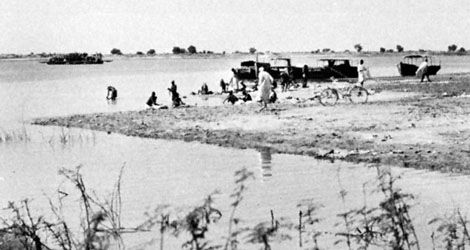
Lake Chad is a highly variable body of water whose physical dimensions and chemical composition are significantly influenced by seasonal cycles.
How do seasonal variations affect Lake Chad’s size and water quality?
Lake Chad is a highly variable body of water whose physical dimensions and chemical composition are significantly influenced by seasonal cycles.12
Seasonal Fluctuations in Size
The lake’s surface area follows a predictable seasonal rhythm, typically reaching its maximum extent in late October or early November. Following this peak, the surface area shrinks by more than half by late April or early May. This volume is determined by the balance between inflow—primarily from the Chari-Logone river system—and losses through evaporation, transpiration, and seepage. Because the lakeshore has a gentle slope, persistent dry-season winds can also cause localized, short-term shifts in water levels.12
Water Quality and Salt Content
Although Lake Chad is a tropical dryland lake without an outlet, its salt content remains unusually low. However, seasonal evaporation plays a critical role in water chemistry; as the water volume decreases during the dry season, the concentration of salts increases. These higher salt values are most notably recorded along the lake’s northeastern shoreline.1
What are the main causes of Lake Chad’s shrinkage?
The significant shrinkage of Lake Chad—which has decreased by approximately 90 percent since the 1960s—is driven by a combination of environmental and human-induced factors.1
The primary causes include:
- Climate Variability: Fluctuations in regional rainfall and long-term shifts in climate have significantly impacted the lake’s water balance. Severe droughts, particularly those experienced in the Sahel region during the 1970s and 1980s, were major contributors to record-low water levels.213
- Water Withdrawals: Increased human demand for water, specifically for irrigation projects, has diverted significant portions of the inflow that would otherwise reach the lake.1
- Hydrological Balance: The lake’s volume is highly sensitive to the discharge of its primary feeder, the Chari-Logone river system. When this inflow is reduced, it cannot compensate for the high rates of water loss caused by evaporation, transpiration from aquatic plants, and seepage into the ground.213
While the Lake Chad Basin Commission continues to work on restoration and water management strategies, ongoing regional instability, such as the presence of Boko Haram, has further hindered these efforts.14
Where is Lake Chad located and what countries border it?
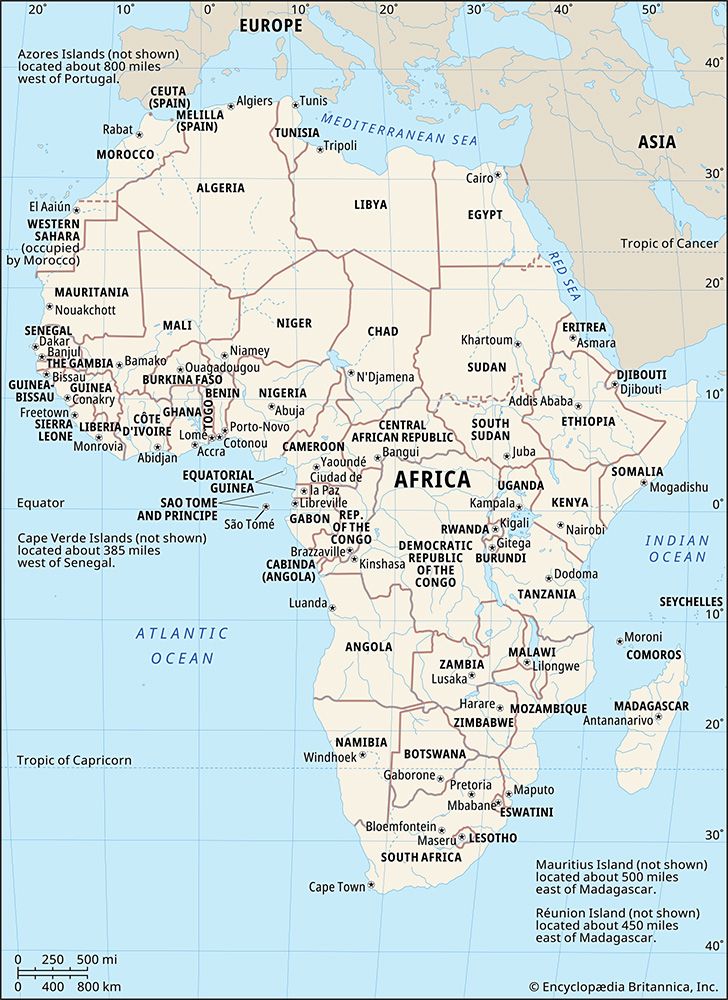
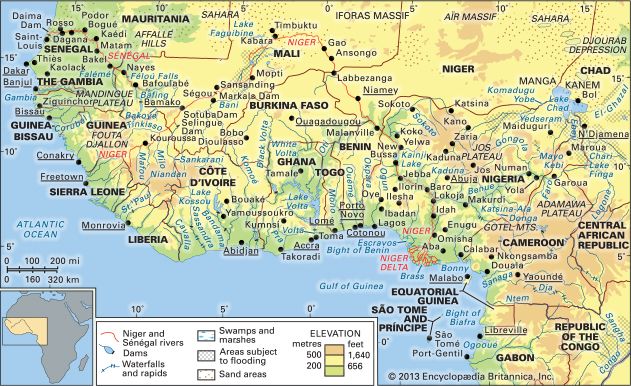
Lake Chad is a freshwater lake situated in the Sahelian zone of west-central Africa. It lies within an interior basin at the conjunction of four countries:56
- Chad
- Cameroon
- Nigeria
- Niger
The lake is located at the center of the Chad Basin, a vast depression that serves as the largest inland drainage area on the African continent.52
How does the climate of the Sahel region influence Lake Chad’s water levels?
The climate of the Sahel region exerts a profound influence on Lake Chad by dictating the balance between water inflow and loss. The region’s hydrology is governed by the seasonal migration of air masses: a humid maritime air mass that brings precipitation during the summer and a dry continental air mass that dominates the remainder of the year.12
Water levels fluctuate significantly based on these climatic patterns:
- Precipitation and Inflow: The lake’s volume is primarily dependent on the discharge of the Chari-Logone river system, which is fed by rainfall in the catchment area. Because precipitation is highly variable from year to year, frequent droughts in the Sahel have historically led to dramatic declines in lake levels.18
- Evaporation and Desiccation: During the dry season, the harmattan—a dust-laden, desiccating wind—combined with high temperatures and low humidity, accelerates water loss through evaporation and plant transpiration. These losses are substantial, amounting to approximately 100 inches (2,500 mm) annually.12
Sources
- Lake Chad - Hydrology — Encyclopædia Britannica
- 6 Lakes That Are Drying Up - Lake Chad — Encyclopædia Britannica
- Chad - Relief and drainage — Encyclopædia Britannica
- Lake Chad - Study and exploration — Encyclopædia Britannica
- Lake Chad — Encyclopædia Britannica
- Chad Basin — Encyclopædia Britannica
- Chad - Land — Encyclopædia Britannica
- Lake Chad - Climate — Encyclopædia Britannica
Published on · 3 min read