Lake Como
Lake Como is renowned for its stunning natural beauty and the elegant villas that grace its shores. While the region is famous for these historic estates…
What famous villas and gardens can be found along the shores of Lake Como?
Lake Como is renowned for its stunning natural beauty and the elegant villas that grace its shores. While the region is famous for these historic estates, the provided information does not list specific names of individual villas or gardens.
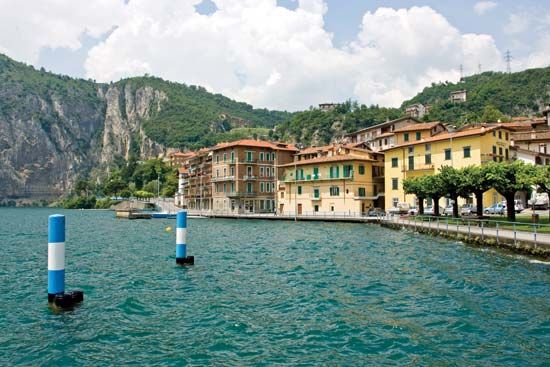
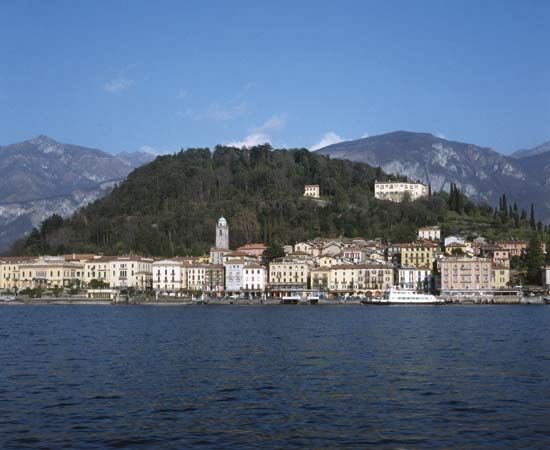
The lake’s picturesque setting, characterized by lush vegetation including olive, chestnut, and oleander trees, has long made it a premier destination for lakeside resorts such as Bellagio, Tremezzo, Menaggio, and Varenna. These towns serve as gateways to the area’s celebrated architectural and botanical heritage.
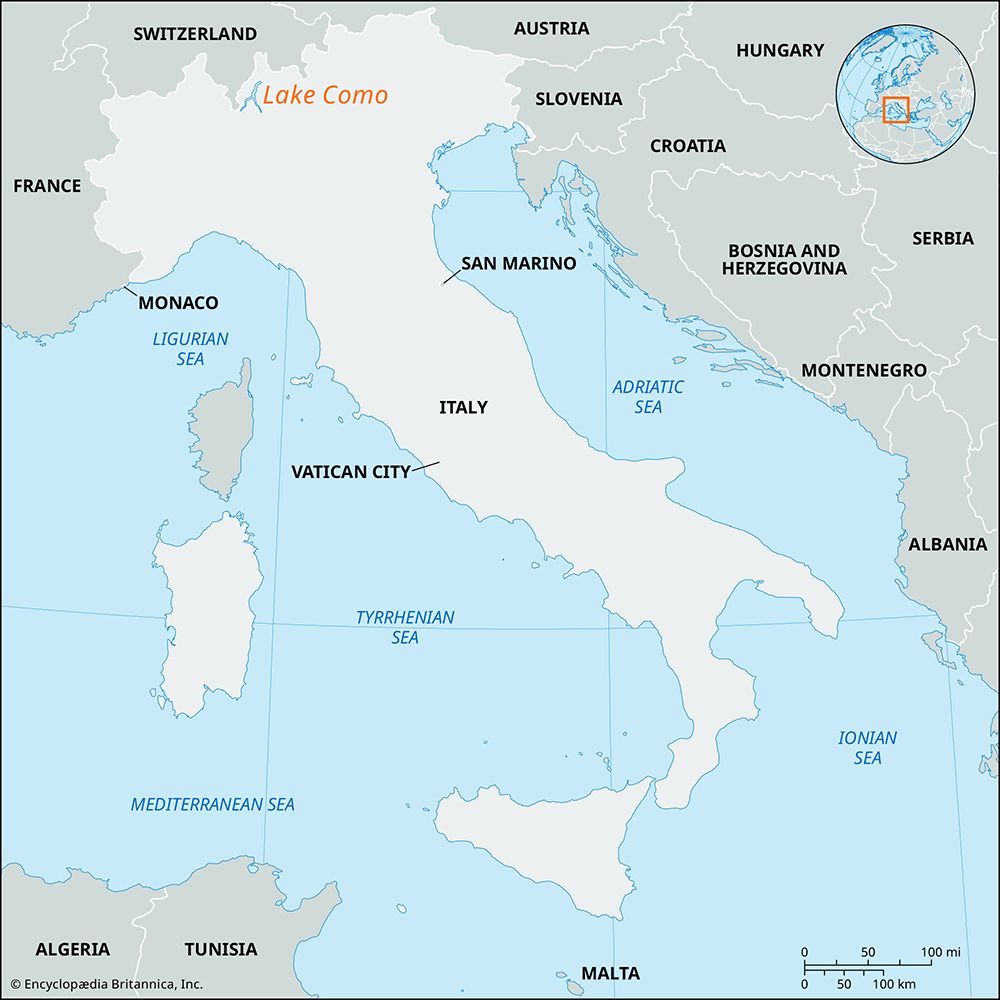
What is the geographical location and size of Lake Como in Italy?
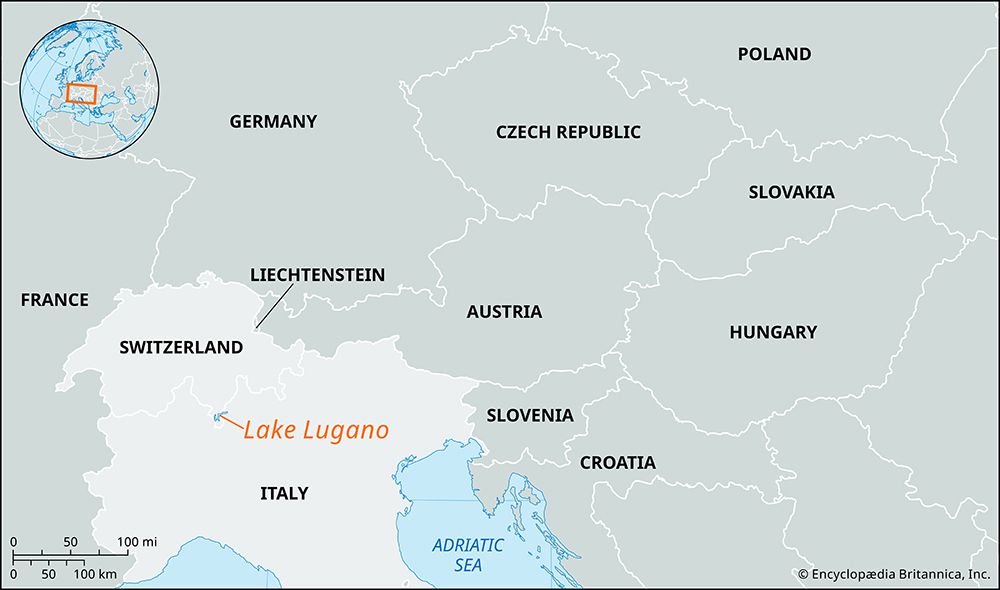
Lake Como is located in the Lombardy region of northern Italy, situated approximately 25 miles (40 km) north of Milan. It lies at an elevation of 653 feet (199 metres) within a depression framed by limestone and granite mountains.1
The lake features a distinctive shape with three branches of roughly equal length, each extending about 16 miles (26 km). Its overall dimensions and characteristics include:
- Length: Approximately 29 miles (47 km)1
- Width: Up to 2.5 miles (4 km)1
- Area: 56 square miles (146 square km)1
- Maximum Depth: 1,358 feet (414 metres)1
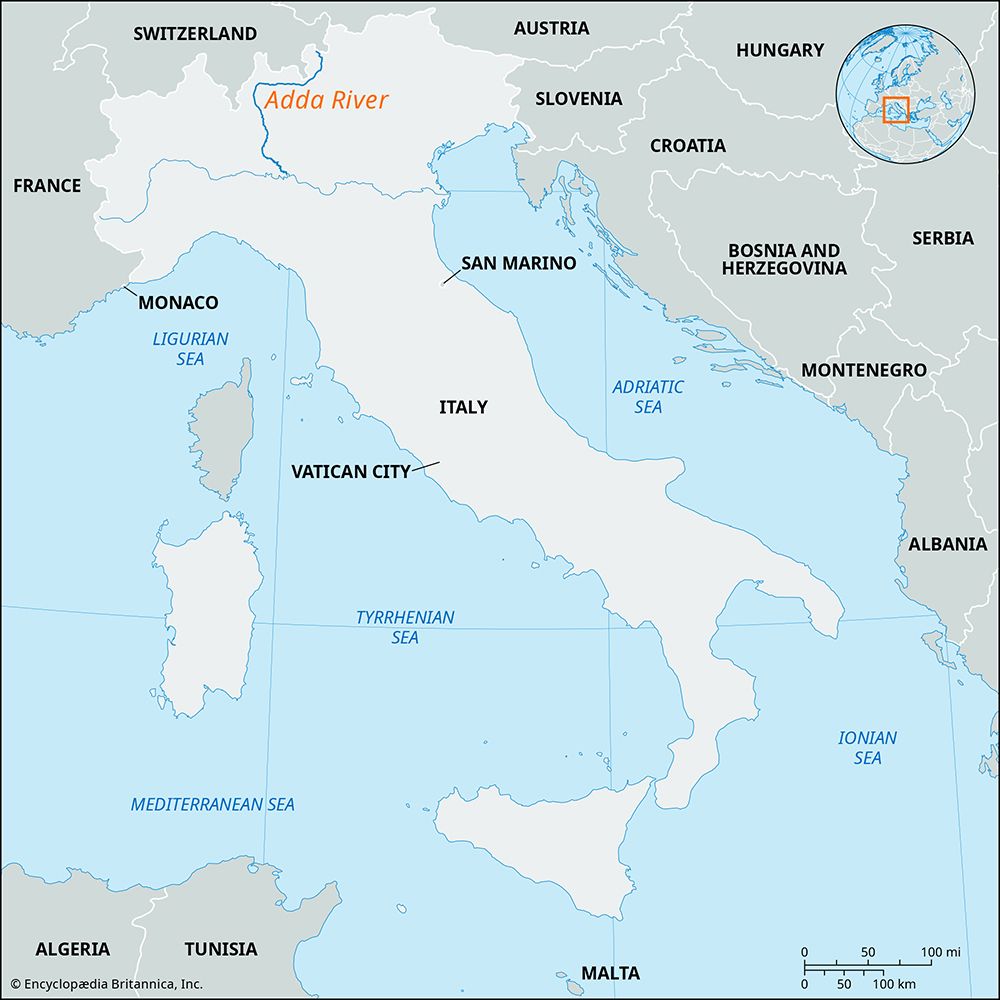
The lake is fed by the Adda River and various mountain streams, including the Mera. Its geography is defined by the Bellagio Promontory, which marks the bifurcation between the southwestern branch leading to the city of Como and the southeastern branch extending toward Lecco.1
How does Lake Como’s climate differ from other parts of northern Italy?
While the broader Lombardy region of northern Italy is characterized by a continental climate featuring hot summers and cold winters, the shores of Lake Como benefit from a more temperate environment. This microclimate is evidenced by the lake’s lush, Mediterranean-style vegetation, which includes species such as pomegranate, olive, and oleander trees that thrive in the protected, milder conditions along the water.12
The lake’s unique climate is also influenced by its topography and local wind patterns. It is situated in a deep depression surrounded by mountains, and it is regularly swept by two distinct winds: the tivano, which blows from the north in the morning, and the breva, which arrives from the south in the afternoon. These factors help distinguish the immediate lakeshore environment from the more extreme temperature fluctuations found in the surrounding plains and higher Alpine zones of northern Italy.12
How has Lake Como influenced Italian culture and history?
Lake Como has been a significant cultural and historical touchstone in Italy for millennia. Its influence spans literature, architecture, and industry:
- Literary Heritage: The lake is famously associated with the Classical writings of Virgil, the two Plinys, and Claudian. In more modern times, the town of Lecco and its surroundings served as the setting for Alessandro Manzoni’s seminal novel, The Betrothed.13
- Architectural Influence: The city of Como gave its name to the maestri comacini (“masters of Como”), itinerant guilds of medieval architects and masons. These artisans spread the Lombard style across Europe, leaving a lasting architectural legacy from Catalonia to Germany.4
- Economic and Scientific Contributions: The region’s silk and wool industries were vital to the Milanese economy for centuries. Additionally, the area is the birthplace of the physicist Alessandro Volta, whose contributions to science are celebrated locally.4
Sources
- Lake Como — Encyclopædia Britannica
- Lombardy — Encyclopædia Britannica
- Como — Encyclopædia Britannica
- Lecco — Encyclopædia Britannica
Published on · 3 min read