Alpine Lakes
Alpine lakes are bodies of water situated in mountainous regions, often formed by glacial activity that deepened valleys or created natural dams. While the…
What are some famous examples of alpine lakes around the world?
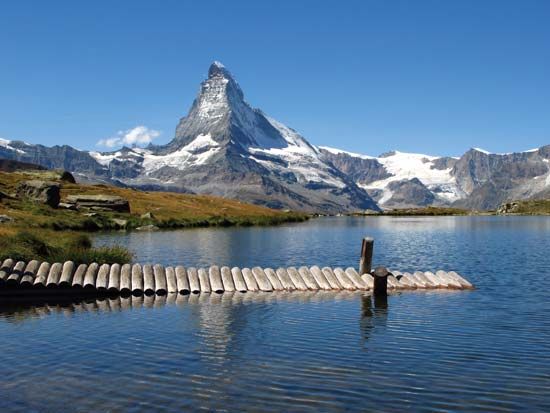
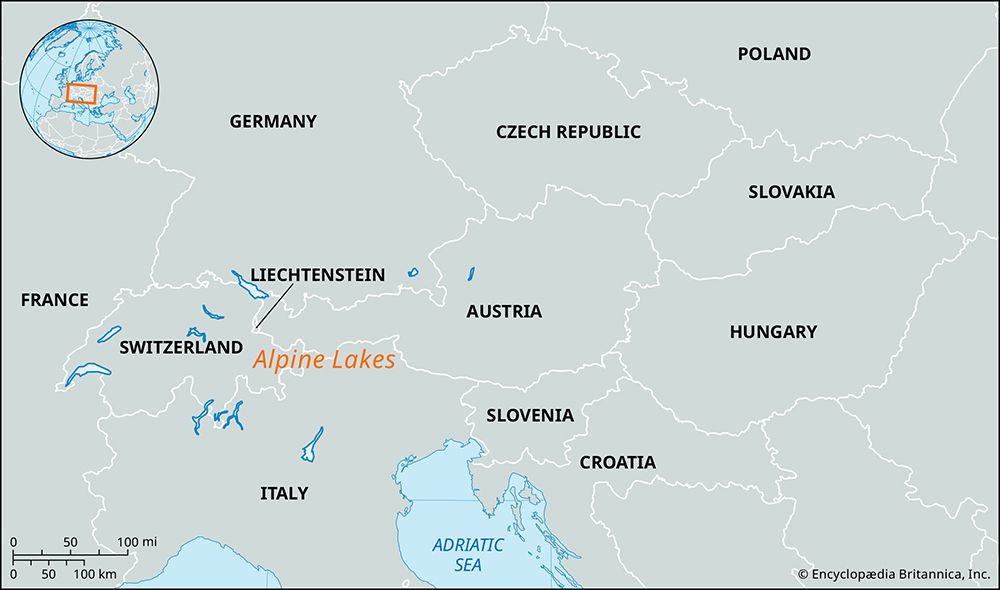
Alpine lakes are bodies of water situated in mountainous regions, often formed by glacial activity that deepened valleys or created natural dams. While the term “Alpine lakes” specifically refers to the 11 significant lakes surrounding the European Alps, similar high-altitude lakes exist in mountain ranges worldwide.1
Notable Alpine Lakes
- European Alps: This region features famous glacial lakes divided into northern and southern groups. Key examples include Lake Geneva, Lake Como, Lake Maggiore, Lake Garda, and Lake Lucerne), and Lake Lucerne.1
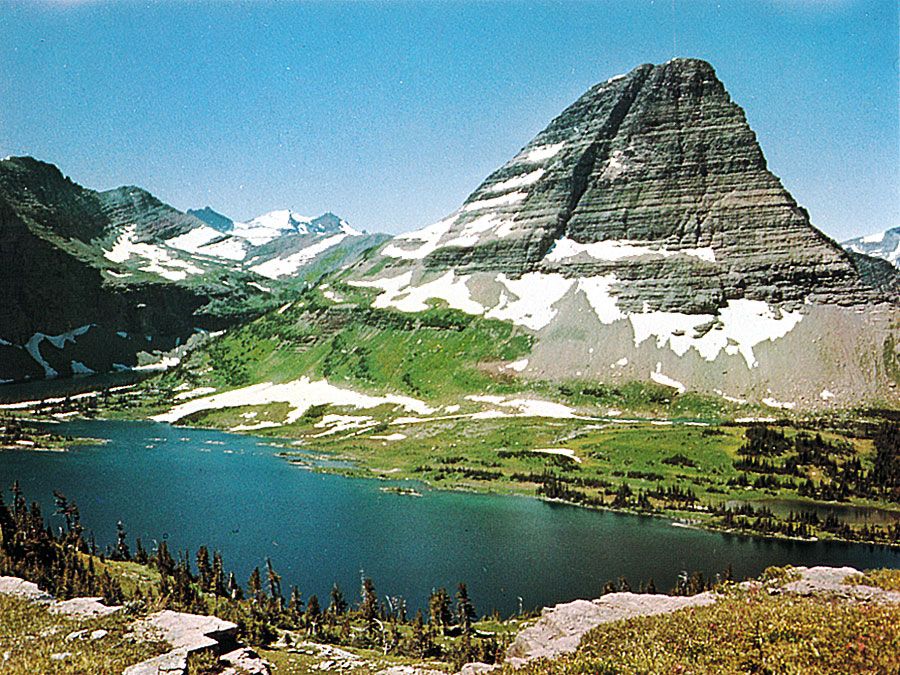
- Rocky Mountains: Located in North America, these mountains host numerous scenic bodies of water, such as St. Mary’s Lake in Glacier National Park.2
- Kailash Range: Near Mount Kailash in the Himalayas, Lake Mapam (Manasarovar) stands out as one of the world’s highest freshwater bodies, alongside the nearby saline lake, Rakshastal.3
These lakes are of great scientific interest, particularly in the field of limnology, which originated from studies conducted on Swiss lakes.1
How do scientists study and monitor alpine lakes?
Scientists study and monitor alpine lakes through a combination of direct observation, chemical analysis, and the examination of natural archives to understand both current ecological health and historical climate patterns.25
Monitoring Modern Ecological Health
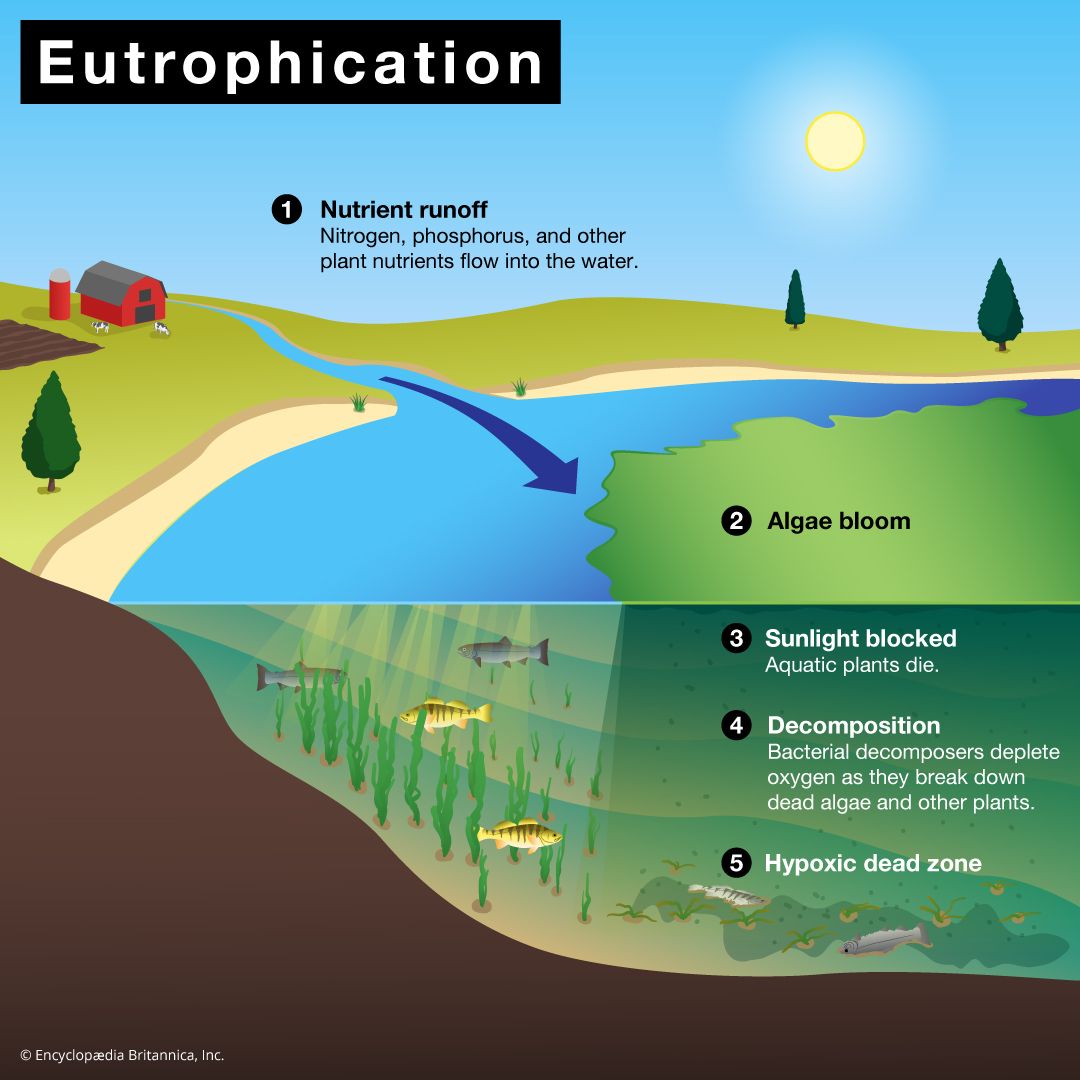
To address issues like eutrophication—often caused by nutrient runoff from human activity—researchers monitor water quality by tracking chemical and biological changes. Methods include:2
- Chemical Analysis: Scientists measure concentrations of nutrients like phosphates and analyze water composition to detect pollution.2
- Purification Strategies: In regions like Switzerland and Germany, monitoring informs management techniques, such as mechanical and biological purification or the use of pipelines to divert wastewater away from sensitive lake basins.2
- Physical Observations: Early scientific foundations, such as those established by F.A. Forel, involved studying seiches (stationary oscillations) and the thermocline to understand the physical dynamics of lake water.2
Paleolimnology and Natural Archives
To reconstruct the history of a lake and its surrounding climate, scientists use paleolimnology, which involves extracting and analyzing sediment cores from the lake bottom. These cores provide a chronological record containing:65
- Biological and Chemical Traces: Pollen concentrations, fossils, and chemical markers reveal past vegetation, volcanic eruptions, and industrial activity.6
- Stratigraphic Data: Alternating layers of sediment help scientists identify shifts between cold- and warm-water conditions over time.6
Additionally, researchers often study ice cores from nearby high-altitude glaciers to complement lake data, providing a broader view of atmospheric composition and climate change.75
How are alpine lakes formed, and what geological processes contribute to their creation?
Alpine lakes are primarily formed through the mechanical action of glaciers and the subsequent geological processes that shape mountainous terrain. Their creation is largely attributed to the following mechanisms:
Glacial Processes
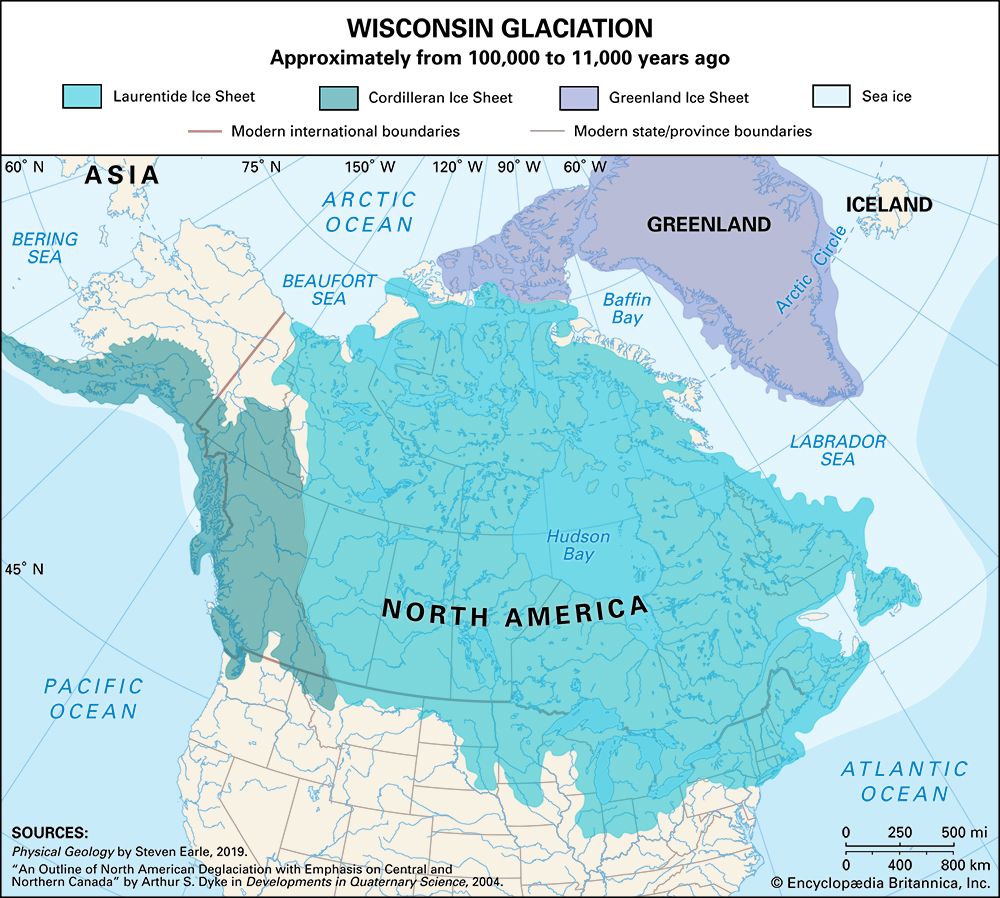
- Excavation and Scouring: During the Pleistocene Epoch, glaciers flowing through mountain valleys deepened and widened the ground, creating deep, elongated basins. In high-altitude locations, the freezing and thawing of snow at the head of a valley can produce a circular, amphitheatre-shaped basin known as a cirque.91011
- Damming: As glaciers retreated, they left behind moraines—heterogeneous deposits of rock and debris—which often acted as natural dams that confined meltwater to form lakes.109
- U-Shaped Valleys: Glacial movement reshapes V-shaped river valleys into characteristic U-shaped valleys with wide, flat bottoms, which frequently host deep, narrow lakes once the ice melts.1213
Tectonic and Other Geological Factors
- Tectonic Uplift: The formation of mountain chains, such as the Alps, involves significant tectonic movement that creates the initial valleys and depressions where these lakes eventually settle.129
- Faulting and Subsidence: In some regions, tectonic activity—such as the movement of fault blocks or the subsidence of the Earth’s crust—creates depressions that collect water.14
- Volcanic Activity: Some alpine-style lakes occupy calderas (collapsed volcanic craters) or are formed when lava flows obstruct existing drainage patterns.14
While these processes establish the basins, they are dynamic features; over geologic time, lakes may eventually disappear through infilling by sediments or changes in drainage patterns.15
How do alpine lakes contribute to water resources and local communities?
Alpine lakes serve as vital natural features that significantly impact both the environment and the communities surrounding them. Their contributions to water resources and local economies are multifaceted:
Water Resource Management
- Hydrologic Regulation: Alpine lakes and their associated glacial systems act as natural reservoirs. Glaciers store precipitation and release it as meltwater, which helps stabilize streamflow throughout the year. When combined with non-glacial runoff, this process ensures a more consistent and reliable water supply for downstream regions.2
- Source of Major Rivers: These lakes are integral to the broader watershed of the Alps, serving as the headwaters for major European rivers, including the Rhône, Rhine, Po, and the Danube.18
Community and Economic Impact
- Tourism and Recreation: The scenic beauty of these lakes makes them a focal point for tourism. They serve as a “playground” for millions of visitors, supporting a thriving industry that has grown significantly since the 19th century.1918
- Industrial Utility: Historically, the water resources and the mountainous terrain have been harnessed for hydroelectric power. This energy development, particularly in the 20th century, facilitated the growth of electricity-dependent industries in lower valleys, such as the production of chemicals, aluminum, and specialty steels.18
- Settlement Focus: The lakes have long been centers for human settlement, providing both aesthetic value and essential resources that have shaped the development of local economies.19
Sources
- Alps - Physiography — Encyclopædia Britannica
- Alpine lakes — Encyclopædia Britannica
- Exploring 7 of Earth’s Great Mountain Ranges - Rocky Mountains — Encyclopædia Britannica
- Mount Kailash - Geography — Encyclopædia Britannica
- lake - Sediments and sedimentation — Encyclopædia Britannica
- ice core — Encyclopædia Britannica
- Climate change - Evidence for climate change — Encyclopædia Britannica
- Alps - Study and exploration — Encyclopædia Britannica
- lake - Basins formed by glaciation — Encyclopædia Britannica
- glacial landform - Erosional landforms of continental glaciers — Encyclopædia Britannica
- Alps - Geology — Encyclopædia Britannica
- lake - Basins formed by tectonism , volcanism, and landslides — Encyclopædia Britannica
- cirque — Encyclopædia Britannica
- glacial landform - Cirques , tarns, U-shaped valleys, arêtes, and horns — Encyclopædia Britannica
- tectonic landform — Encyclopædia Britannica
- Quaternary - Lakes — Encyclopædia Britannica
- lake - Lake extinction — Encyclopædia Britannica
- glacier - Glacier hydrology — Encyclopædia Britannica
- Alps — Encyclopædia Britannica
- lake - Chemical precipitates — Encyclopædia Britannica
Published on · 4 min read