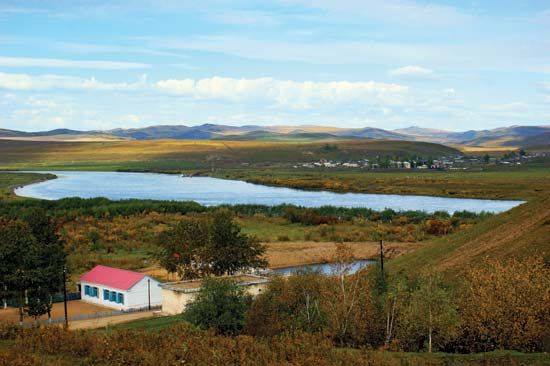
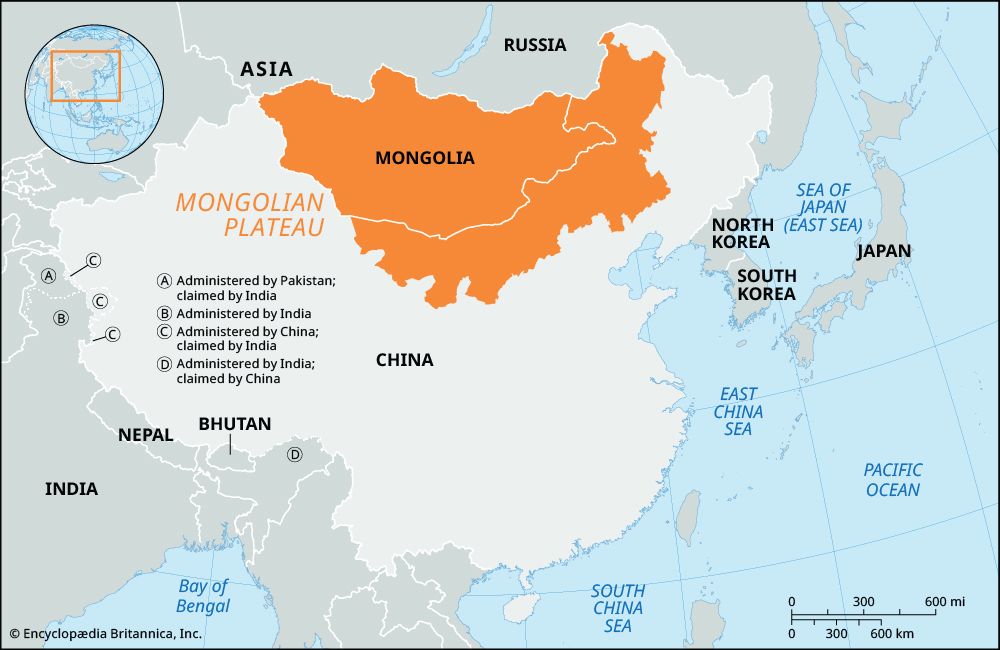
Lake Hulun
It appears there is a confusion between Lake Hulun, located in the Inner Mongolia Autonomous Region of China, and Hunan, a province in central China. The…
How does Lake Hulun contribute to the local ecosystem and biodiversity?
It appears there is a confusion between Lake Hulun, located in the Inner Mongolia Autonomous Region of China, and Hunan, a province in central China. The provided search results do not contain information regarding the specific ecological contributions or biodiversity of Lake Hulun beyond its role as a freshwater habitat for fish populations.1
Lake Hulun is a significant freshwater body in the Hulun Buir Plain, fed by the Kerulen and Orxon rivers. Unlike many other saline lakes in the region, its fresh water supports a robust fish population that is a vital resource for the surrounding area. During the winter, these fish migrate to the nearby Lake Buir via the Orxon River.12
Information regarding diverse fauna, such as aquatic birds or endangered mammals, pertains to the Dongting Lake in the province of Hunan, not Lake Hulun.3
What are the main tributaries that feed into Lake Hulun?
Lake Hulun is primarily fed by two rivers that originate in Mongolia:
- Kerulen (Kelulun) River: This river flows into the lake from the west.1
- Orxon (Orshun) River: This river flows into the lake from the south, carrying water from Lake Buyr.1
Additionally, the lake is connected to the Hailar River via a seasonal channel. While the lake is typically undrained, this channel can facilitate a reverse flow of water from the Hailar River into the lake when water levels are low. The rivers in this region are characterized by instability due to significant annual weather variations and the concentration of rainfall during the summer months.1
What recreational activities or tourism opportunities are available at Lake Hulun?
The provided information does not detail specific recreational activities or tourism opportunities available at Lake Hulun. The available data focuses on the lake’s geography, its role as a freshwater source, and its function as a habitat for fish populations that migrate between Lake Hulun and Lake Buyr during the winter months.1
Because the current knowledge base does not contain information regarding tourism infrastructure or recreational offerings at this site, I cannot provide a list of activities.
What is the origin and geological history of Lake Hulun?
Lake Hulun is a large freshwater lake located in the Hulun Buir Plain of Inner Mongolia, China.1
Regarding its geological history, the lake was historically part of a much larger body of water that encompassed both Lake Hulun and Lake Buyr. Over time, these bodies of water became distinct, though they remain hydrologically connected; Lake Buyr currently drains into Lake Hulun via the Orxon River.13
The lake’s physical characteristics, including its surface area, have fluctuated significantly throughout its history due to variations in climate and weather patterns. Unlike many other lakes in the region that are highly saline, Lake Hulun maintains fresh water with minimal salt content. Its current state is defined by its relative shallowness and its unstable connection to the Hailar River, which can occasionally flow in reverse into the lake during periods of low water levels.1
Sources
- Lake Hulun — Encyclopædia Britannica
- Hunan - Plant and animal life — Encyclopædia Britannica
- Lake Buir — Encyclopædia Britannica
Published on · 2 min read