Lake Khanka
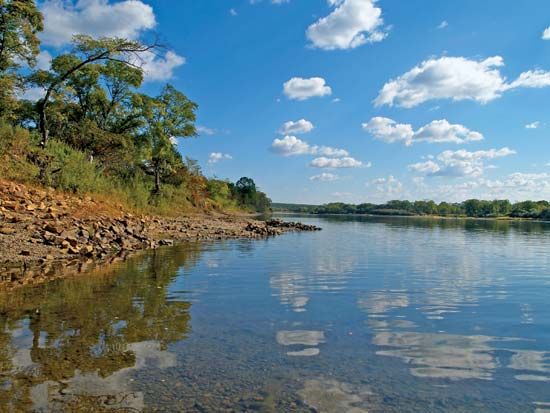
Lake Khanka is primarily significant for its role as a geographic boundary between Russia and China, as well as its agricultural importance. The lake is…
What is the historical significance of Lake Khanka in the region?
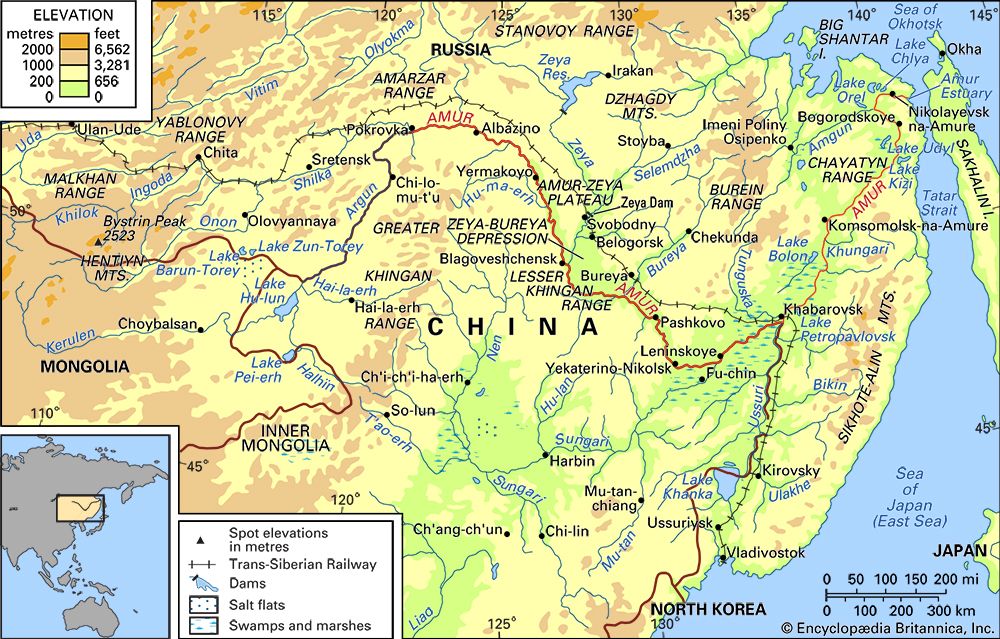
Lake Khanka is primarily significant for its role as a geographic boundary between Russia and China, as well as its agricultural importance1. The lake is situated within the Khanka Lowland, a region characterized by rich black-earth soil that is considered among the most fertile in eastern Siberia.1
Beyond its agricultural value, the lake serves as the source of the Sungacha River, which flows into the Ussuri River. The Ussuri River itself holds historical significance due to the territorial disputes that occurred along its border between China and the Soviet Union during the 1960s, culminating in an armed clash in 1969. These border tensions were not fully resolved until 2004, following years of diplomatic negotiations between the two nations.12
Are there any interesting legends or folklore associated with Lake Khanka?
Sorry, the Britannica knowledge base does not contain this information.
What major rivers feed into or flow out of Lake Khanka?
Lake Khanka is a shallow lake located on the border between Russia and China. Its primary hydrological connection is as follows:1
- Outlet: The Sungacha River serves as the sole outlet for Lake Khanka. This river flows northward and eventually joins the Ussuri River, which is a major tributary of the Amur River.12
While the provided search results identify the Sungacha River as the lake’s outlet, they do not explicitly list the specific rivers that feed into the lake. The lake itself is situated within the Khanka Lowland and is largely surrounded by swampland.1
How is Lake Khanka important for the local economy and communities?
Lake Khanka is a vital geographical feature for the surrounding regions of Russia and China. Its primary economic importance is tied to the Khanka Lowland, which is situated around the southern end of the lake.
This area is characterized by rich black-earth soil, which is considered among the most fertile in eastern Siberia. This high-quality soil supports significant agricultural activity, serving as a cornerstone for the local economy and the communities residing in the Primorsky territory and Heilongjiang province. While the lake itself is shallow and largely surrounded by swampland, the surrounding lowlands provide the necessary resources to sustain regional farming and development.1
Sources
- Lake Khanka — Encyclopædia Britannica
- Ussuri River — Encyclopædia Britannica
Published on · 2 min read