Utah Lake
Utah Lake is a freshwater lake located in Utah County, in north-central Utah, United States. It spans 150 square miles (390 square km) and reaches a length…
What is Utah Lake?
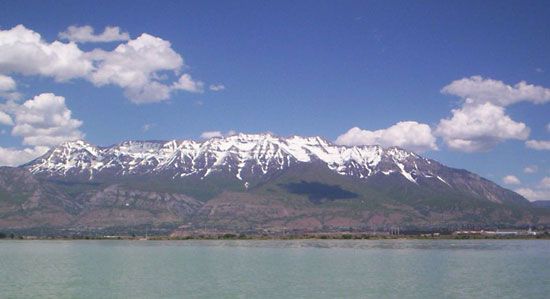
Utah Lake is a freshwater lake located in Utah County, in north-central Utah, United States. It spans 150 square miles (390 square km) and reaches a length of 23 miles (37 km).1
As a major remnant of the prehistoric Lake Bonneville, the lake serves as an important ecological site, hosting Utah Lake State Park as well as various waterfowl and bird preserves. The lake drains into the Great Salt Lake via the Jordan River. By the turn of the 21st century, the area surrounding the lake had become a significant population center, with more than a quarter of a million people residing near its shores.12
What was prehistoric Lake Bonneville?
Lake Bonneville was a massive prehistoric pluvial lake that formed during the Pleistocene Epoch, approximately 30,000 years ago. At its peak, it covered nearly 20,000 square miles (52,000 square km), spanning much of western Utah and extending into parts of Nevada and Idaho.452
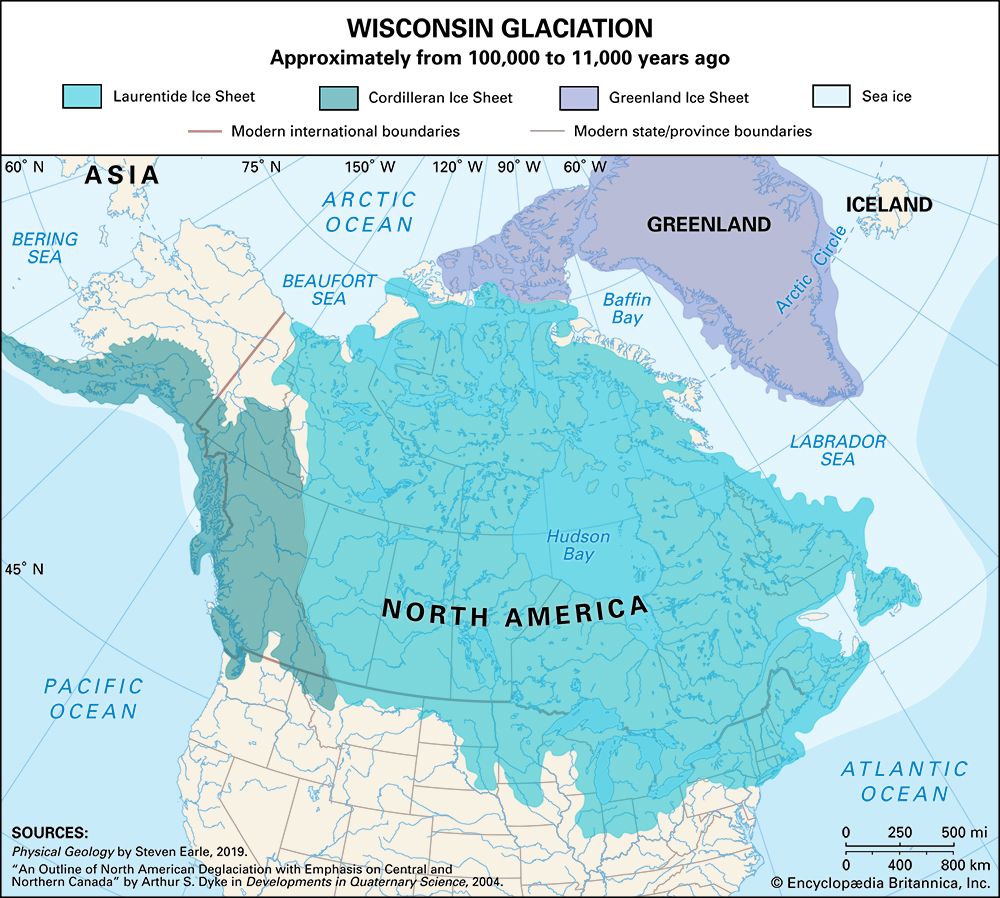
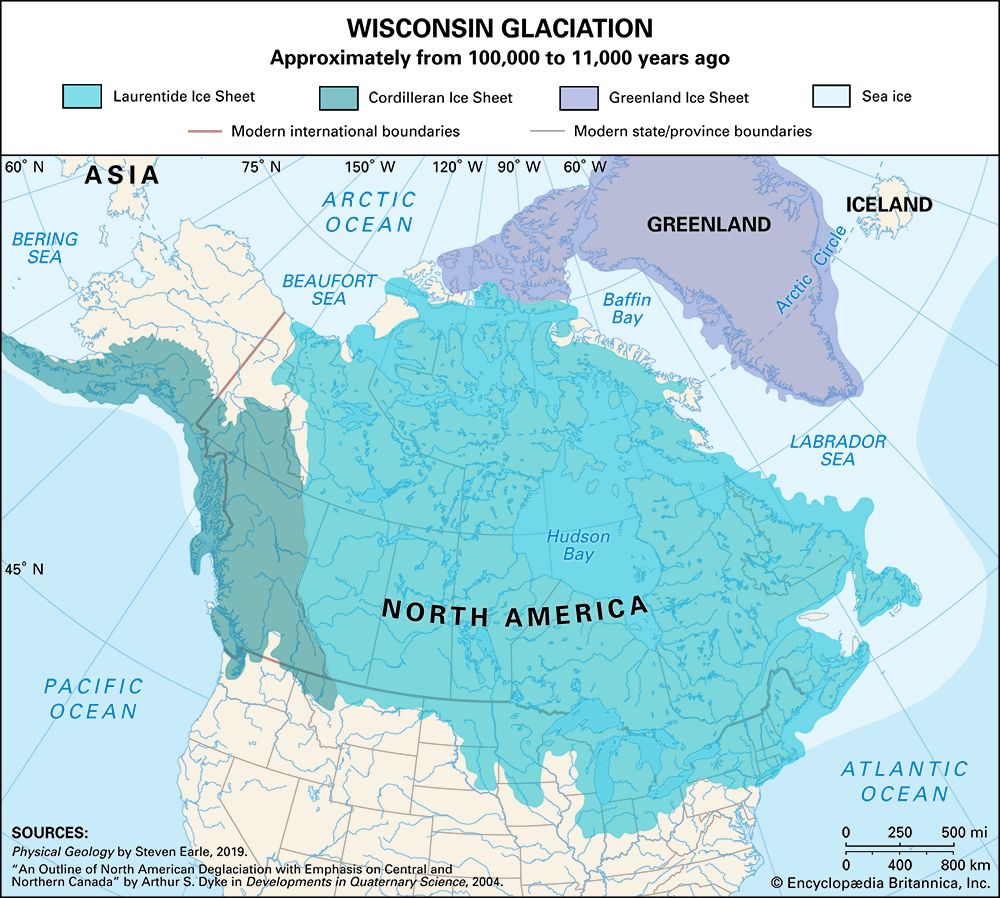
During the last major glacial period, the lake reached a maximum depth of approximately 1,214 feet (370 meters). Its existence was driven by a pluvial climate, where increased precipitation and reduced evaporation—caused by the Laurentide Ice Sheet shifting the polar jet stream southward—filled the closed basin.2
As the climate warmed, the lake began to shrink rapidly. By 12,000 years ago, it had receded significantly, leaving behind several remnants, including:
- Great Salt Lake45
- Utah Lake45
- Bear Lake5
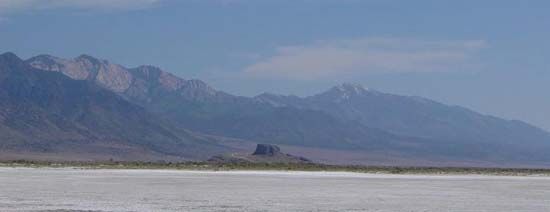
- Great Salt Lake Desert, which includes the famous Bonneville Salt Flats64
The deltas and canyon mouths created by the lake’s ancient tributaries eventually became the sites where most of Utah’s principal cities were established.4
How does the Jordan River connect Utah Lake to the Great Salt Lake?
The Jordan River serves as the primary outlet for Utah Lake, flowing northward from the lake to empty into the Great Salt Lake.13
By acting as a drainage channel, the river connects the freshwater ecosystem of Utah Lake to the saline environment of the Great Salt Lake. This connection is part of the broader Great Basin drainage system, where the Jordan River, along with the Bear and Weber rivers, serves as a major tributary that feeds into the Great Salt Lake.137
It is important to note that the Jordan River in Utah is distinct from the Jordan River located in the Middle East, which flows into the Dead Sea.58
What types of wildlife live in and around Utah Lake?
The provided search results do not contain specific information regarding the wildlife that lives in and around Utah Lake. While the sources identify Utah Lake as a freshwater remnant of the prehistoric Lake Bonneville, they focus their descriptions of wildlife on the Great Salt Lake and the general state of Utah.
For instance, the available data notes that the Great Salt Lake supports brine shrimp and various waterfowl such as pelicans, herons, cormorants, terns, and gulls, but it does not detail the specific biological community of Utah Lake.
Sources
- Utah Lake — Encyclopædia Britannica
- Great Salt Lake — Encyclopædia Britannica
- Utah - Drainage — Encyclopædia Britannica
- Bonneville Salt Flats — Encyclopædia Britannica
- Lake Bonneville — Encyclopædia Britannica
- Pleistocene Epoch - Lacustrine environments — Encyclopædia Britannica
- Jordan Valley: Top Questions — Encyclopædia Britannica
- Jordan River — Encyclopædia Britannica
- Jordan - Drainage — Encyclopædia Britannica
- Utah Lake — Merriam-Webster
- Utah - Plant and animal life — Encyclopædia Britannica
Published on · 2 min read