Lake Michigan
Lake Michigan serves as a vital hub for several key economic sectors, driven by its strategic location and natural resources.
What are the main economic activities associated with Lake Michigan?
Lake Michigan serves as a vital hub for several key economic sectors, driven by its strategic location and natural resources.
Industry and Commerce
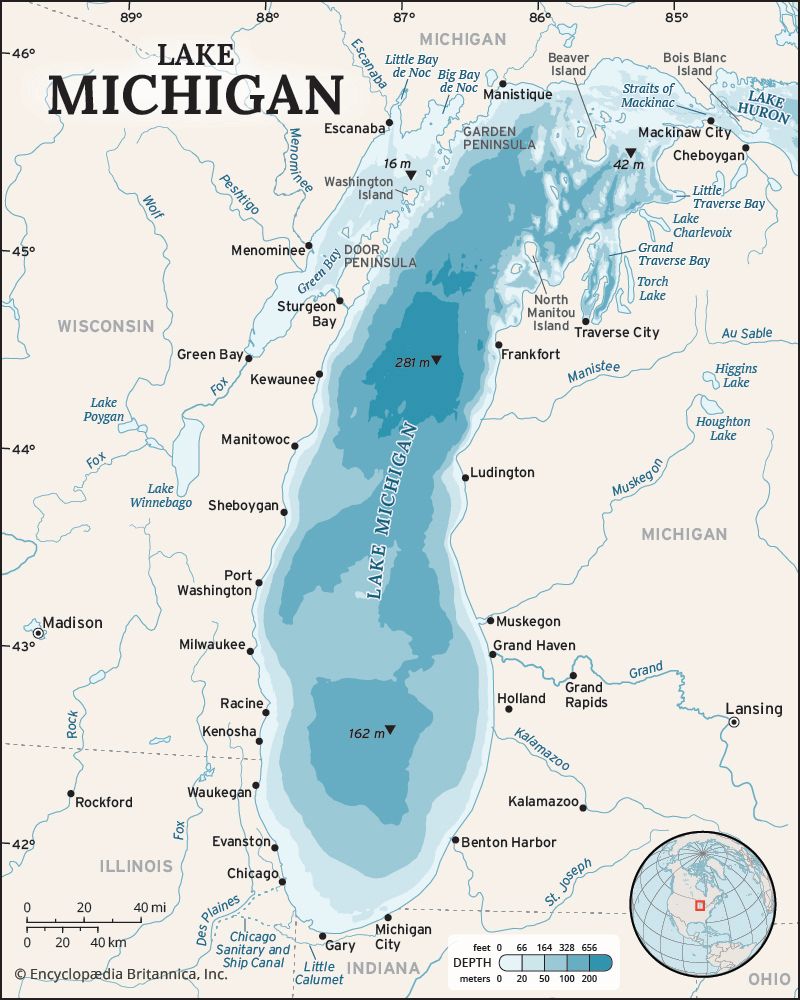
The southern end of the lake supports a massive industrial complex centered on Chicago, which relies on the lake for the transport of raw materials like iron ore, coal, and limestone. As part of the St. Lawrence Seaway, the lake facilitates significant international trade, with major ports in Illinois, Indiana, Wisconsin, and Michigan handling bulk commodities.123
Fishing and Tourism
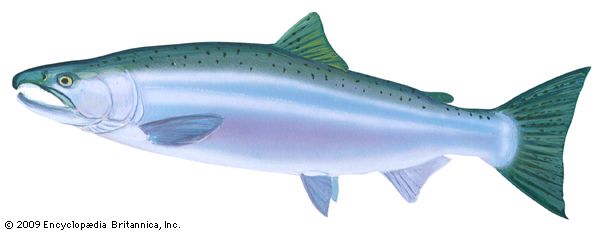
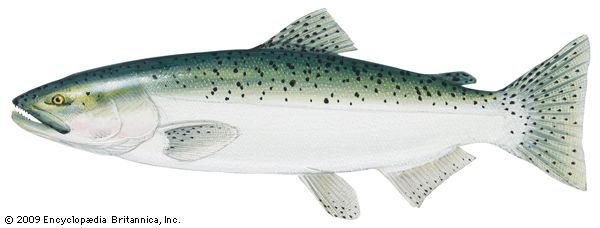
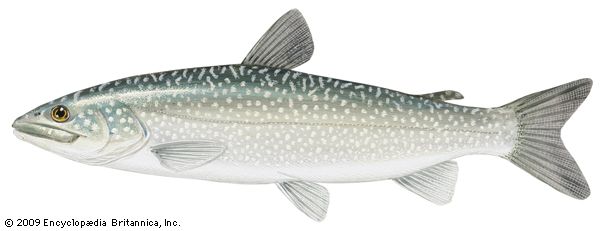
- Fishing: While commercial fishing was once a primary industry, it has largely been superseded in economic importance by the sportfishing industry, which targets species such as coho and chinook salmon, lake trout, and whitefish.145
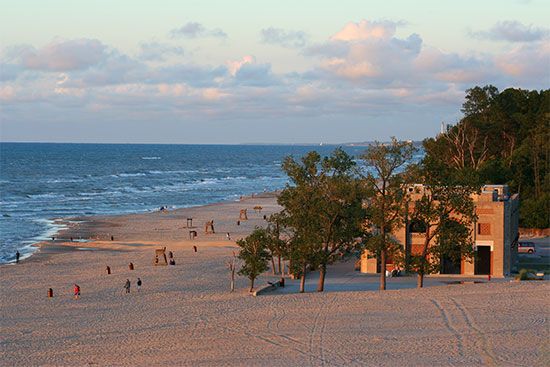
- Tourism: The lake is a major tourist destination. Its sandy beaches, dunes, and state parks support a thriving recreational sector, including boating, sailing, and camping. Additionally, the lake’s moderating climate supports a notable fruit-growing region along its eastern shore.146
How have water levels in Lake Michigan changed over time, and what factors influence these changes?
Water levels in Lake Michigan fluctuate due to a complex interplay of meteorological, hydrological, and human-influenced factors. These changes occur across both seasonal and long-term timeframes.8
Factors Influencing Water Levels
- Meteorological Drivers: The primary influence on lake levels is the water balance, which is driven by precipitation and evaporation. High water levels typically follow seasons of heavy precipitation, while low levels coincide with periods of high evaporation.8
- Seasonal Patterns: Lake Michigan generally experiences a seasonal variation of about one to two feet, with peak levels typically occurring in mid-summer and the lowest levels in late winter.9
- Hydrological Dynamics: The storage of winter precipitation as snowpack and the subsequent spring thaw can delay water level peaks. Additionally, because the Great Lakes are interconnected, supply changes in one lake can take years to fully manifest in the outflow of downstream lakes.8
- Human Intervention: Artificial controls, including diversions, dams, and river dredging, impact water levels. For instance, water is diverted out of the Lake Michigan basin via the Chicago Sanitary and Ship Canal.9
These fluctuations are a significant concern, as high water levels can accelerate shoreline erosion, while low levels can impede shipping and recreational boating.9
What major cities are located on the shores of Lake Michigan, and how has the lake influenced their development?
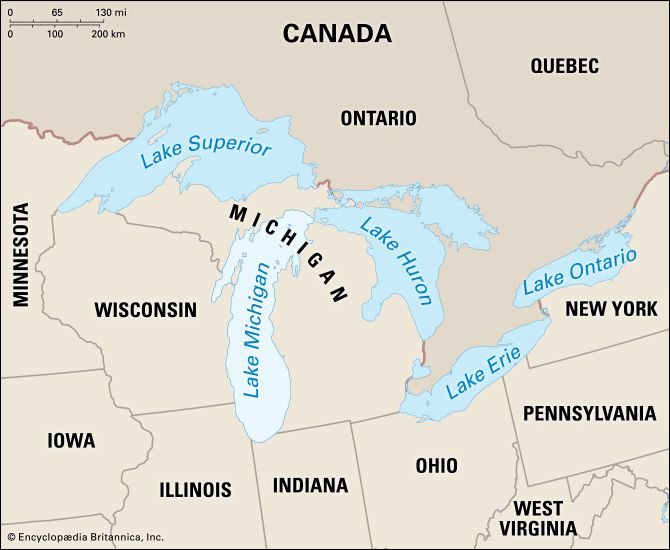
Lake Michigan has been a fundamental driver of urban development in the American Midwest, providing essential transportation routes, natural resources, and industrial capacity.
Major Cities and Their Development
- Chicago, Illinois: Situated at the southwestern end of the lake, Chicago’s growth was defined by its role as a vital link between the Great Lakes and the Mississippi River system. The construction of the Illinois and Michigan Canal in the 19th century transformed the city into a major commercial hub, facilitating the movement of grain and raw materials. Today, the southern lakeshore remains the heart of a massive industrial complex, relying on the lake for the transport of iron ore, coal, and limestone.211
- Milwaukee, Wisconsin: A key port on the western shore, Milwaukee developed as a major distribution center for coal and grain, leveraging its access to the lake to support regional trade and industry.11
- Muskegon and Grand Haven, Michigan: Located on the eastern shore, these cities initially flourished as centers for the lumber trade, shipping timber to growing markets like Chicago. As timber resources declined, both cities transitioned their economies toward manufacturing and tourism, utilizing their natural harbors and scenic beaches to attract visitors.123
- Gary, Indiana: This city serves as a critical industrial node on the southern shore, housing major harbor facilities that support the region’s steel and manufacturing sectors.11
The Lake’s Influence
The lake’s influence on these cities is multifaceted:
- Transportation: As part of the St. Lawrence Seaway, the lake enables international commerce, allowing cities to connect their industrial output to global markets.11
- Resource Access: The availability of water and proximity to mineral deposits like limestone and iron ore fostered the development of heavy industries, including steel production.1314
- Climate and Tourism: The lake’s moderating influence supports a productive fruit-growing region, while its natural beauty has turned many coastal cities into popular summer-resort destinations.113
How does Lake Michigan impact the climate of surrounding areas?
Lake Michigan exerts a significant moderating influence on the climate of surrounding regions, acting as a thermal buffer that tempers seasonal extremes. By cooling hot summer winds and warming cold winter winds, the lake helps create a more moderate and humid climate for nearby areas compared to other north-central states.1516
Key Climatic Effects
- Temperature Moderation: The lake’s thermal mass helps cool coastal areas during the summer and provides a warming effect during the winter. This moderation is particularly beneficial for agriculture; for example, it supports a noted fruit-growing region along the eastern shore and extends the growing season to nearly six months in the southern portion of the Lower Peninsula.161517
- Lake-Effect Precipitation: A notable meteorological phenomenon occurs when cold, dry air passes over the relatively warmer lake water. This process, known as lake effect, causes the air to pick up moisture and heat, often resulting in heavy localized precipitation.162
- Snowbelts: The eastern shore of Lake Michigan, particularly in the Lower Peninsula, is home to a “snowbelt” where these lake-effect conditions can lead to two to three times more winter snowfall than in other parts of the state.15
Sources
- Great Lakes - Industry and transportation — Encyclopædia Britannica
- Lake Michigan — Encyclopædia Britannica
- Great Lakes - The economy — Encyclopædia Britannica
- Great Lakes - Fishing and recreation — Encyclopædia Britannica
- Michigan - Services and labor — Encyclopædia Britannica
- Michigan - Transportation — Encyclopædia Britannica
- Wisconsin - Agriculture, forestry, and fishing — Encyclopædia Britannica
- lake - Water level fluctuations — Encyclopædia Britannica
- Great Lakes - Hydrology and climate — Encyclopædia Britannica
- Saint Clair River — Encyclopædia Britannica
- Chicago - City site — Encyclopædia Britannica
- Chicago - Early growth — Encyclopædia Britannica
- Muskegon — Encyclopædia Britannica
- Grand Haven — Encyclopædia Britannica
- Michigan - Climate of Michigan — Encyclopædia Britannica
- Chicago - Climate — Encyclopædia Britannica
- lake effect — Merriam-Webster
Published on · 4 min read