Coho
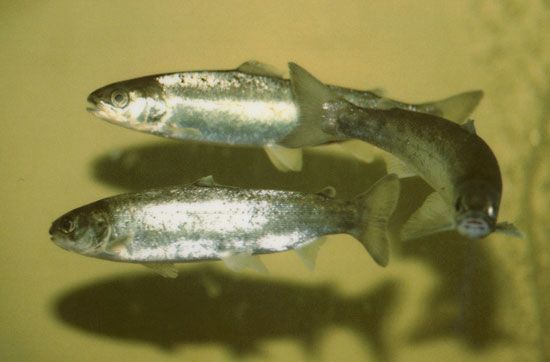
The coho (Oncorhynchus kisutch), also known as the silver salmon, is a species of salmon belonging to the family Salmonidae. Prized for both food and sport…
What is coho?
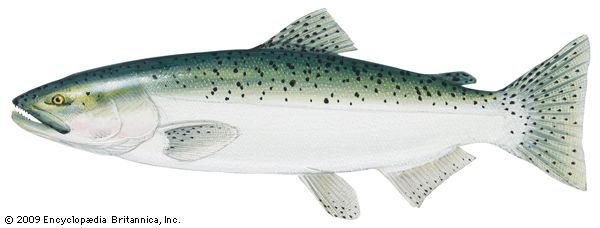
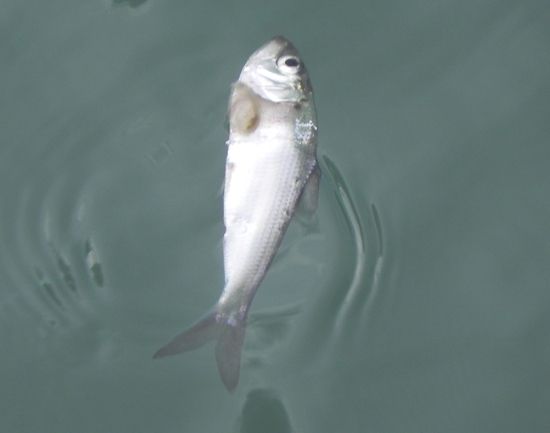
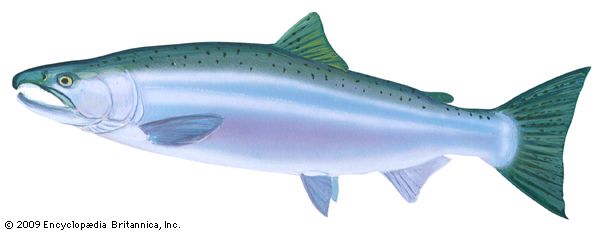
The coho (Oncorhynchus kisutch), also known as the silver salmon, is a species of salmon belonging to the family Salmonidae. Prized for both food and sport, these fish are typically recognized by small spots on their back and upper tail-fin lobe.12
In the wild, coho salmon generally weigh between 7 and 10 pounds (3–4.5 kg), though they can reach weights of up to 16 kg (35 pounds). Their life cycle involves spending approximately one year in fresh water before migrating to the North Pacific Ocean, where they mature over the next three years. Some populations, known as landlocked, spend their entire lives in fresh water. During the 1970s, coho were successfully transplanted into Lake Michigan as a game fish. Like other Pacific salmon, they return to their home streams to spawn as adults.12
What are the main differences between Pacific and Atlantic salmon?
The primary differences between Pacific salmon (genus Oncorhynchus) and Atlantic salmon (Salmo salar) involve their life cycles, spawning behavior, and biological classification.23
Key Differences
- Spawning and Survival: A major distinction is that adult Pacific salmon die shortly after spawning. In contrast, many Atlantic salmon survive the spawning process—often referred to as kelts—and may return to the sea to spawn again, sometimes up to three or four times.23
- Life Cycle: While both are anadromous, the duration spent in fresh water varies significantly by species. Young Pacific salmon species have diverse freshwater requirements; for example, pink salmon descend to the sea almost immediately, while coho salmon remain in streams for a full year. Atlantic salmon typically spend about two years in fresh water before migrating to the ocean.23
- Classification: Pacific salmon comprise six distinct species, including sockeye, coho, chum, chinook, pink, and cherry salmon. The Atlantic salmon is a single species native to the North Atlantic.23
- Physical Traits: During the breeding season, Pacific salmon undergo dramatic physical changes, with males often developing hooked jaws and striking color variations. Atlantic salmon are generally marked with round or cross-shaped spots.23
How do salmon navigate back to their home streams to spawn?
Salmon navigate back to their home streams through a remarkable combination of sensory mechanisms, with olfaction (the sense of smell) playing the most critical role in locating specific spawning sites.562
During their early development, young salmon undergo a process called imprinting, where they learn the unique chemical signature of their home stream, derived from its specific vegetation, substrate, and environment. This sensitivity is regulated by hormones, including thyroxine, which prepares the fish’s olfactory system to recognize these odors when they return as adults.56
While olfaction is essential for finding the exact spawning grounds once the fish enters its home river system, other methods are believed to guide them from the open ocean. These include:
- Geomagnetic Orientation: Some species, such as the sockeye salmon, can detect differences in Earth’s magnetic field to navigate toward their home region.52
- Celestial Navigation: Steering by the position of the Sun may assist in long-distance orientation.56
- Topographical Features: Physical landmarks are also believed to play a role in habitat recognition.6
What happens to a salmon’s body during the breeding season?
During the breeding season, salmon undergo significant physiological and behavioral transformations as they transition from the ocean to freshwater environments to spawn. Because they stop eating upon entering freshwater, they rely entirely on stored energy reserves to fuel their arduous journey, which can span thousands of miles.72
Key changes include:
- Physical Alterations: Salmon develop secondary sex characteristics, which are most striking in male Pacific salmon. These changes often include the development of hooked jaws and dramatic shifts in coloration.72
- Energy Depletion: As the fish expend all their energy navigating rapids and leaping waterfalls, their physical condition deteriorates. By the time spawning is complete, their energy reserves are typically exhausted.72
- Environmental Stress: The transition to freshwater, combined with changes in water temperature and chemistry, places additional stress on their bodies.7
- Reproductive Strategy: For Pacific salmon, this process is a form of semelparity, where the fish invest their entire life’s energy into a single reproductive effort, leading to their death shortly after spawning. In contrast, many Atlantic salmon may survive the process and return to the sea to spawn again in future years.72
Sources
- coho — Encyclopædia Britannica
- salmon — Encyclopædia Britannica
- Atlantic salmon — Encyclopædia Britannica
- protacanthopterygian - Behaviour and locomotion — Encyclopædia Britannica
- Chemoreception - Homing — Encyclopædia Britannica
- Migration - Anadromous fish — Encyclopædia Britannica
- Why do salmon die after spawning? — Encyclopædia Britannica
- protacanthopterygian - Life cycle and reproduction — Encyclopædia Britannica
Published on · 3 min read