Lake Saint Clair
Lake Saint Clair serves as a significant regional asset, primarily functioning as a popular summer recreation area. Its geography, characterized by a large…
How does Lake Saint Clair impact the local economy and recreation in the surrounding areas?
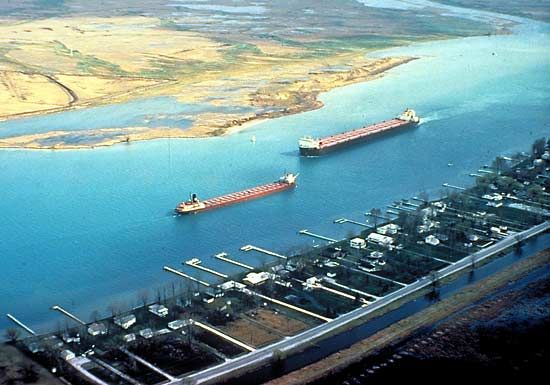
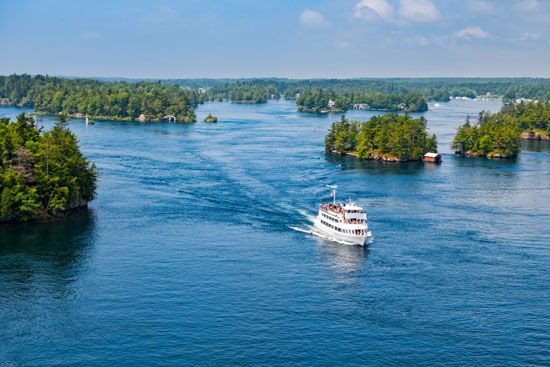
Lake Saint Clair serves as a significant regional asset, primarily functioning as a popular summer recreation area. Its geography, characterized by a large delta at the Saint Clair River mouth, supports various leisure activities, with the delta’s islands—such as Harsens Island and Walpole—acting as well-known summer resorts.12
Economically, the lake is integrated into the St. Lawrence Seaway system, which maintains a 27-foot channel depth to accommodate shipping traffic. While the lake does not host major commercial ports, its western shoreline is home to some of the wealthiest suburbs of Detroit, reflecting the area’s high residential and economic value. The lake’s role as a vital link in international shipping routes and its appeal as a recreational destination remain its primary contributions to the surrounding Michigan and Ontario communities.12
What are some popular recreational activities enjoyed on and around Lake Saint Clair?
Lake Saint Clair is a well-known destination for summer recreation, largely due to its unique geography and expansive shallow basin.1
Popular recreational activities and features in the area include:
- Resort Stays: The delta of the Saint Clair River, which is the largest delta entering a freshwater lake, features several islands that serve as popular summer resorts.12
- Island Tourism: Visitors frequently travel to islands within the delta, such as Harsens Island in Michigan and Walpole Island in Ontario, to enjoy the summer season.2
- Water-Based Leisure: Given the lake’s shallow nature and its role as a regional recreation hub, it is a common site for boating and other water-related activities during the warmer months.1
How does Lake Saint Clair compare in size to the five Great Lakes of North America?
Lake Saint Clair is significantly smaller than any of the five Great Lakes. While it serves as a vital connecting body between Lake Huron and Lake Erie, its surface area of approximately 467 square miles (1,210 square km) is dwarfed by the smallest of the Great Lakes, Lake Ontario, which covers 7,340 square miles (19,010 square km).13
The following table compares the surface area of Lake Saint Clair to the Great Lakes:
Lake
Surface Area (sq mi)
Superior
31,700
Huron
23,000
Michigan
22,300
Erie
9,910
Ontario
7,340
Saint Clair
467
Because of this vast difference in scale, Lake Saint Clair is not classified as one of the Great Lakes, despite its role in the regional hydrological system.13
Are there any islands within Lake Saint Clair, and if so, what are their names?
Yes, there are islands located within the Saint Clair River delta where it discharges into Lake Saint Clair. These islands are part of the world’s largest delta that enters a freshwater lake and are well-known as popular summer resort destinations.2
The two largest islands in the delta are:
Sources
- Lake Saint Clair — Encyclopædia Britannica
- Saint Clair River — Encyclopædia Britannica
- Areas and Volumes of the Great Lakes — Encyclopædia Britannica
- Saint Clair, Lake — Merriam-Webster
Published on · 2 min read