Lake Sevan
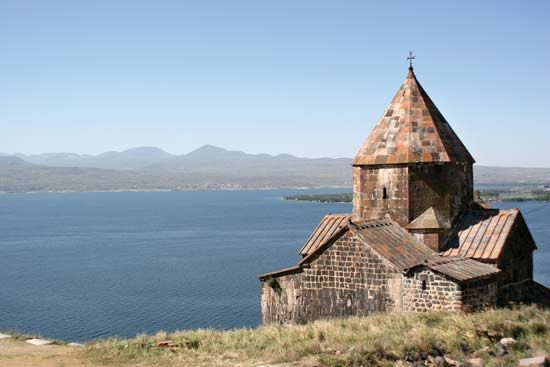
Lake Sevan is situated within a mountain-enclosed basin in Armenia at an elevation of 6,250 feet (1,905 meters). While the provided search results do not…
How was Lake Sevan formed, and what is its geological importance?
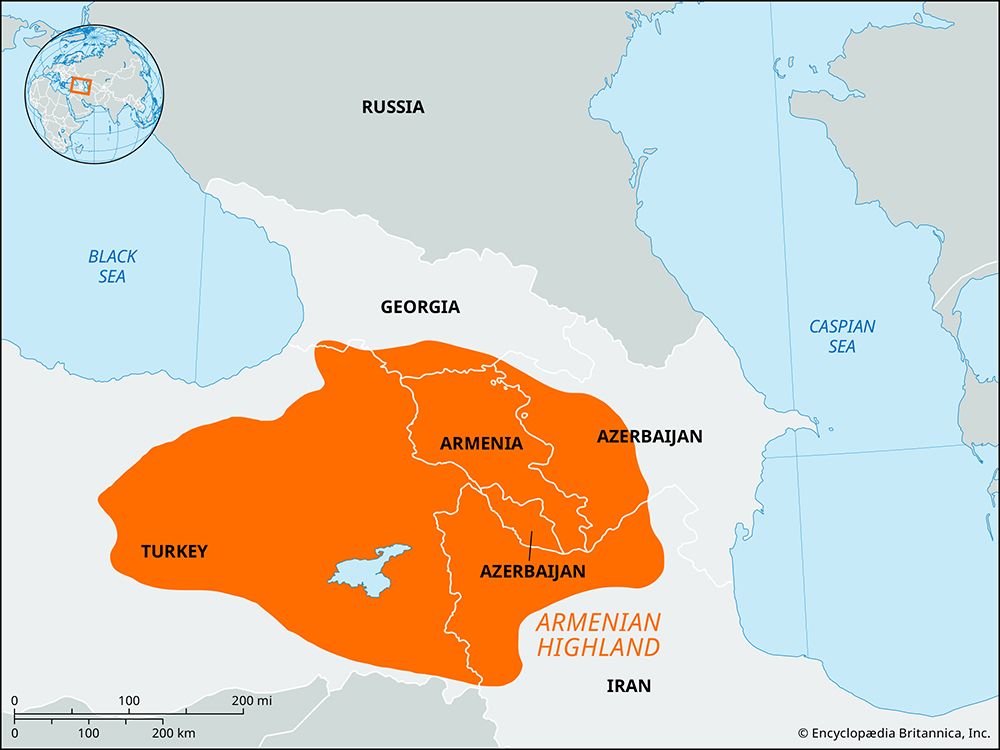
Lake Sevan is situated within a mountain-enclosed basin in Armenia at an elevation of 6,250 feet (1,905 meters). While the provided search results do not explicitly detail the specific formation mechanism of the lake basin itself, they highlight that the surrounding Armenian Highland is part of a region shaped by the Alpine geosyncline.12
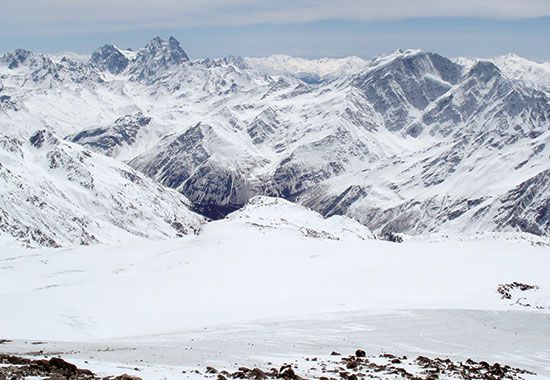
The geological importance of the broader region is defined by significant crustal instability and Cenozoic-era volcanism. The landscape of the Armenian Highland and the nearby Dzhavakhet Range is heavily influenced by volcanic debris and tectonic activity associated with the uplift of the Lesser Caucasus. Geologically recent volcanic activity and contact metamorphism have played a primary role in shaping the complex terrain found in this part of Transcaucasia, where older rock formations emerge near the latitude of Lake Sevan.2
How does Lake Sevan contribute to Armenia’s freshwater supply and irrigation systems?
Lake Sevan serves as a vital reservoir for Armenia, holding a capacity exceeding 9 cubic miles (39 cubic kilometers) of water. It acts as a primary source for the Hrazdan River, which is a key tributary of the Aras River and essential for irrigating much of the country.1
The lake’s water is integral to Armenia’s infrastructure, particularly through the Sevan-Hrazdan series of hydroelectric power stations5. This project was a priority for early industrialization, facilitating the electrification of agriculture and supporting the development of various industries and urban water-supply systems.4
Historically, the use of the lake for power generation led to a significant drop in its water level. To address this and stabilize the lake, a 30-mile (49-kilometer) tunnel was constructed in the late 1970s to divert water from the Arpa River into the basin. Today, the lake remains a critical component of Armenia’s water management and energy strategy.514
What unique fish species are found in Lake Sevan?
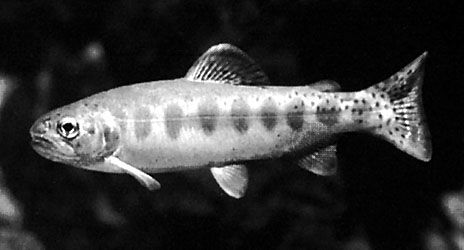
Lake Sevan is notably rich in fish, with trout being the most prominent species found in its waters. Fishing remains an important economic activity for the region, supported by the lake’s diverse aquatic environment.1
What is the geographical location and size of Lake Sevan in Armenia?
Lake Sevan is located in a mountain-enclosed basin within the eastern Lesser Caucasus range of Armenia. Situated at an elevation of 6,250 feet (1,905 meters) above sea level, it stands as the largest lake in the Caucasus region.16
The lake covers an area of 525 square miles (1,360 square kilometers) and consists of two connected sections:
- Maly Sevan (northwest): The smaller but deeper portion, reaching a maximum depth of 282 feet.1
- Bolshoy Sevan (southeast): The larger portion, with a maximum depth of 131 feet.1
While the lake drains into the Hrazdan River—a tributary of the Aras—the majority of its water is lost to evaporation rather than runoff.1
Sources
- Lake Sevan — Encyclopædia Britannica
- Sevan — Merriam-Webster
- Transcaucasia - Geology of Transcaucasia — Encyclopædia Britannica
- Armenia - Drainage — Encyclopædia Britannica
- Armenia - Energy — Encyclopædia Britannica
- Caucasus - Drainage — Encyclopædia Britannica
Published on · 2 min read