Lapwing
Lapwings are members of the plover family, typically measuring about 30 cm (12 inches) in length. They are characterized by their broad, rounded wings and a…
What are the defining physical characteristics of lapwings?
Lapwings are members of the plover family, typically measuring about 30 cm (12 inches) in length. They are characterized by their broad, rounded wings and a distinctive, slow, irregular wingbeat.12
Physical features vary across the approximately 24 species, but common traits include:
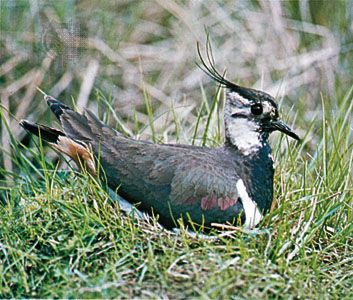
- Crests: Several species possess prominent crests on their heads.12
- Wing Spurs: Some species feature sharp projections at the bend of the wing, which are used for fighting.1
- Facial Wattles: Certain species, such as the red-wattled lapwing and the yellow-wattled lapwing, have fleshy wattles on their faces.1
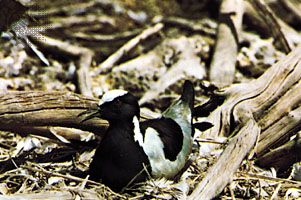
- Plumage: The Eurasian lapwing, for example, displays green-glossed black upperparts, white cheeks, a black throat and breast, and a white belly.1
These birds are also well known for their shrill, wailing cries. Would you like to explore the specific habitats or migratory patterns of these birds?2
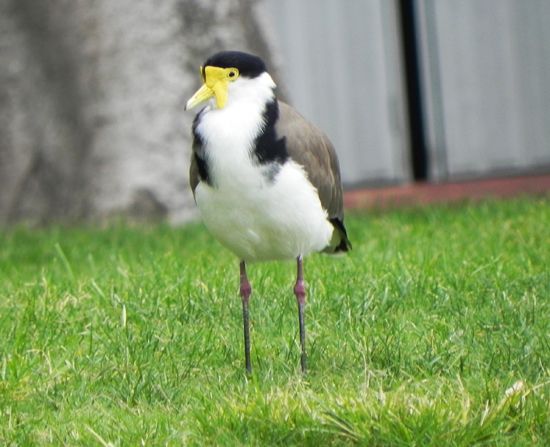
What are the main differences between lapwings and other members of the plover family?
Lapwings are a specific group within the plover family (Charadriidae), and while they share the family’s general characteristics—such as a short bill with a swollen tip and the absence of a hind toe—they are distinguished by several unique physical and behavioral traits.134
The primary differences include:
- Flight Style: The name “lapwing” is derived from the birds’ distinctively slow, irregular wingbeat, which contrasts with the swift, direct flight typical of many other plovers when they are flushed.13
- Wing Morphology: Lapwings are characterized by broad, rounded wings, whereas other plovers generally possess long, pointed wings.13
- Specialized Features: Many lapwing species have evolved unique ornamental or defensive features not commonly found in other plovers, including prominent head crests, fleshy facial wattles, and sharp wing spurs used for fighting.14
- Size: Lapwings tend to be at the larger end of the plover family spectrum, typically measuring about 30 cm (12 inches) in length, while the broader plover group ranges from 15 to 30 cm.134
How have lapwings been portrayed in various cultures and folklore throughout history?
The provided search results do not contain information regarding the cultural or folkloric portrayals of lapwings throughout history. The available data focuses on the biological classification, physical characteristics, and etymology of the name “lapwing.”
Sorry, the Britannica knowledge base does not contain this information.
What are some of the most common species of lapwings, and how do they differ from each other?
There are approximately 25 species of lapwings within the plover family, characterized by their broad, rounded wings and, in many cases, unique physical ornaments. While they share a general size of about 30 cm, they differ significantly in appearance and regional distribution:
- Eurasian lapwing: Found across Europe and temperate Asia, this species is distinguished by its green-glossed black upperparts, white cheeks, and a notable crest. It is historically significant as the source of the “plover eggs” once sold in commerce.
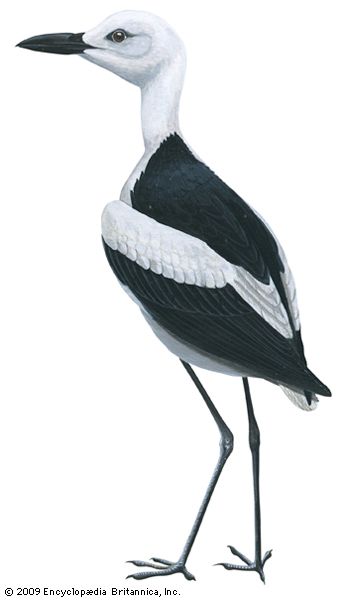
- Crowned lapwing: Native to Africa, this species is easily identified by its black cap encircled by a white ring.
- Wattled species: The red-wattled lapwing and the yellow-wattled lapwing of southern Asia are defined by the presence of fleshy facial wattles.
- Other notable species: The gray-headed lapwing is found in eastern Asia, while the long-toed lapwing is native to Africa.
These birds are often equipped with specialized features like crests or sharp wing spurs used for fighting, which help differentiate them from other members of the plover family.
Sources
- Lapwing — Encyclopædia Britannica
- lapwing — Merriam-Webster
- Plover — Encyclopædia Britannica
- Charadriiform - Annotated classification — Encyclopædia Britannica
Published on · 3 min read