Seedsnipe
A seedsnipe is any of four species of South American birds that make up the family Thinocoridae within the order Charadriiformes. While they are related to…
What is Seedsnipe?
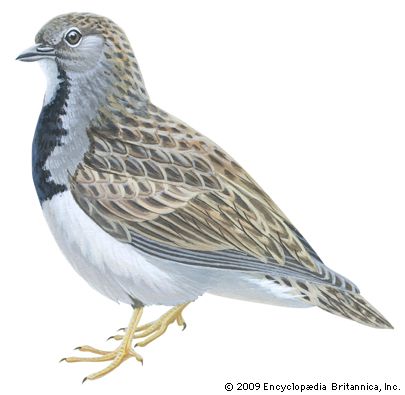
A seedsnipe is any of four species of South American birds that make up the family Thinocoridae within the order Charadriiformes. While they are related to shorebirds like gulls and terns, they are unique among their order for being primarily herbivorous, feeding on seeds and greens, and possessing covered nostrils.12
These birds are characterized by their streaked plumage, short rounded tails, and long wings. They inhabit tundra and pampas regions ranging from the Falkland Islands to southern Argentina and Ecuador. Notable species include:1
- Least, pygmy, or Patagonian seedsnipe: The smallest and most widely distributed species, known for covering its eggs with sand when leaving the nest.1
- Gay’s seedsnipe: The largest species, which nests at high altitudes in the Andes.1
Though they are shorebird relatives, their appearance is often compared to that of quail, and they typically frequent dry inland environments.2
What are other birds in the order Charadriiformes?
The order Charadriiformes is a diverse group comprising 17 families of birds. They are generally categorized into three primary suborders based on their body plans and habitats:
Shorebirds (Suborder Charadrii)
Often called waders, these birds typically inhabit shorelines and open areas. They include:
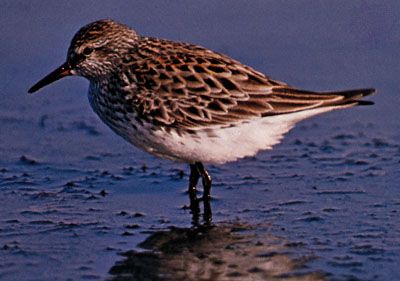
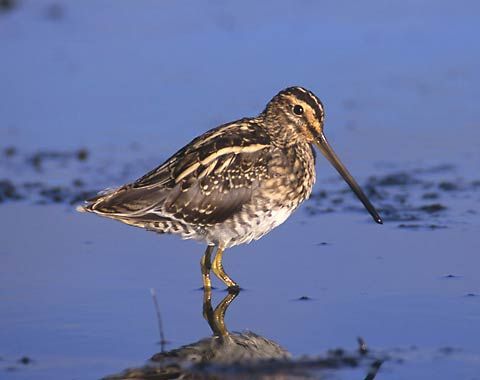
- Sandpipers and snipes
- Plovers and lapwings
- Stilts and avocets
- Oystercatchers
- Phalaropes
- Jacanas, thickknees, coursers, and pratincoles
- Painted snipe, crab plovers, seedsnipe, and sheathbills
Gulls and Allies (Suborder Lari)
These are long-winged, web-footed birds found in marine and aquatic environments:
Auks and Allies (Suborder Alcae)
This suborder consists of a single family, Alcidae, which includes:
- Auks, murres, guillemots, and puffins
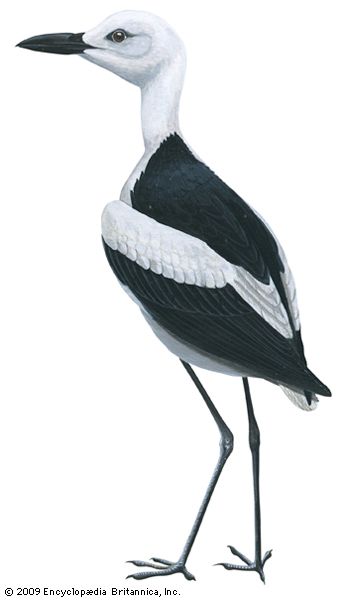
Additionally, the plains wanderer (Pedionomidae) is a notable recent addition to the order.345
How do seedsnipes survive in high-altitude environments like the Andes?
Seedsnipes, such as Gay’s seedsnipe (Attagis gayi), are uniquely adapted to survive in the harsh, high-altitude environments of the Andes. While specific physiological mechanisms for these birds are not detailed in the provided texts, their survival in such extreme regions is generally supported by their specialized diet and physical traits.1
Unlike other birds in the order Charadriiformes, seedsnipes are primarily herbivorous, feeding on seeds and greens. This diet allows them to exploit available vegetation in environments where other food sources may be scarce. Furthermore, they possess covered nostrils, a unique adaptation among their order that may assist in navigating the dry, windy, and cold conditions characteristic of high-altitude Andean zones.189
In these high-elevation regions, animals must contend with low oxygen pressure, cold temperatures, and limited vegetation. Seedsnipes navigate these challenges by inhabiting tundra-like areas where they can forage, effectively utilizing the available ecological niches within the Andean altitudinal bands.819
Why do some seedsnipes cover their eggs with sand?
The least, pygmy, or Patagonian seedsnipe (Thinocorus rumicivorus) covers its eggs with sand when it leaves the nest. While the specific biological purpose for this behavior is not explicitly detailed in the provided text, such actions in ground-nesting birds are typically associated with the concealment of eggs from predators and the regulation of temperature in exposed environments.110
Sources
- Seedsnipe — Encyclopædia Britannica
- seed snipe — Merriam-Webster
- Charadriiform - General features — Encyclopædia Britannica
- Charadriiform — Encyclopædia Britannica
- Shorebird — Encyclopædia Britannica
- Charadriiform - Critical appraisal — Encyclopædia Britannica
- Laridae — Encyclopædia Britannica
- Andes Mountains - Plant and animal life — Encyclopædia Britannica
- South America - The high Andes — Encyclopædia Britannica
- Reproductive behaviour - Birds — Encyclopædia Britannica
- Charadriiform - Shorebirds (suborder Charadrii) — Encyclopædia Britannica
Published on · 2 min read