Larkspur
Larkspurs, belonging to the genus Delphinium, are widely valued in gardening and landscaping primarily as ornamentals due to their striking, showy flower…
How are larkspurs used in gardening and landscaping?
Larkspurs, belonging to the genus Delphinium, are widely valued in gardening and landscaping primarily as ornamentals due to their striking, showy flower stalks.1
Gardeners utilize both annual and perennial varieties to add height and color to landscapes:
- Annual Larkspurs: Often categorized under the genus Consolida, these plants typically reach heights of up to 60 cm (2 feet) and are prized for their branching stalks that produce vibrant blue, pink, or white flowers.12
- Perennial Larkspurs: These species offer a broader range of colors, including blue, pink, white, red, and yellow. They vary significantly in height, ranging from compact varieties like D. grandiflorum (1 to 3 feet) to the towering D. elatum, which can reach up to 6 feet.1
- Cultivars: Hybrid cultivars such as ‘Belladonna’ and ‘Bellamosa’ are popular choices for their large, violet-to-blue flowers displayed on tall, branched spires.1
It is important to note that all members of the Delphinium genus are poisonous to both humans and livestock, a factor that should be considered when selecting them for home gardens.1
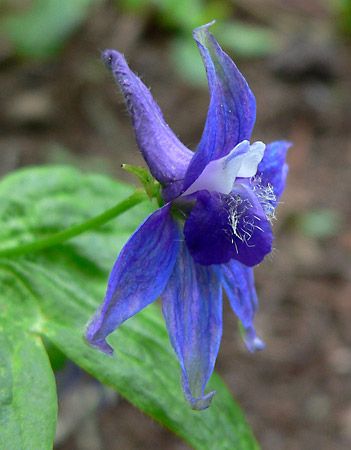
What are the toxic properties of larkspur plants, and how do they affect humans and animals?
Larkspur plants (genus Delphinium) contain toxic alkaloids, including delphinine, delphinoidine, and delphisine. These chemical constituents are responsible for the plant’s poisonous nature, which poses a significant health risk to both humans and animals.14
Toxic Effects
When ingested, larkspur causes a range of severe physiological reactions. The primary symptoms of poisoning include:
- Oral and Gastrointestinal Distress: Ingestion leads to a burning sensation and inflammation of the mouth, followed by nausea and vomiting.1
- Respiratory and Systemic Issues: Affected individuals or animals may experience respiratory distress, itching, and cyanosis (a bluish discoloration of the skin due to insufficient oxygen).1
Impact on Animals
Larkspur is recognized as one of the most significant causes of death in grazing livestock. Because these plants are highly toxic, it is essential to exercise caution when planting them in areas accessible to pets or farm animals.1
Given the severity of these toxic properties, it is a fundamental safety principle to handle these plants with care and ensure they are kept away from children and animals to prevent accidental ingestion.
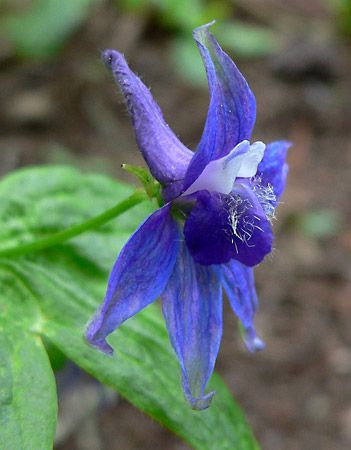
What are the distinctive characteristics of larkspur flowers?
Larkspur flowers, belonging to the genus Delphinium of the Ranunculaceae family, are characterized by several distinctive features:
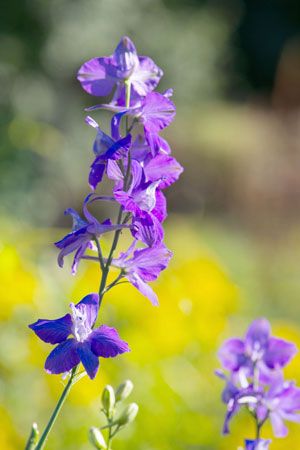
- Floral Structure: Larkspurs produce irregular or zygomorphic flowers arranged in showy, erect spikes or branching stalks. A defining trait is the presence of a nectar-containing extension of the corolla known as a spur. This structure is thought to resemble a dolphin, which is the origin of the genus name Delphinium.173
- Appearance: The flowers are typically vibrant, with colors ranging from blue and violet to pink, white, red, and yellow. In some annual varieties, the upper two petals are united, while the bottom two are missing.65
- Growth Habit: These plants are generally erect, branching herbs featuring palmately divided leaves. They are highly valued in landscaping for their height, which can range from compact forms of 30 cm (1 foot) to towering stalks reaching 180 cm (6 feet).736
How did the larkspur get its name, and what does it mean?
The name “larkspur” is derived from the plant’s distinctive floral structure, specifically the shape of its nectary, which resembles the claw of a lark. This common name reflects the historical observation of the flower’s anatomy, which also inspired its scientific genus name, Delphinium.35
The genus name Delphinium comes from the Greek word delphinion, which is a diminutive of delphis, meaning “dolphin”. This naming convention is also attributed to the shape of the flower’s nectary, which was thought to resemble the form of a dolphin. While “larkspur” emphasizes the bird-like claw appearance, the scientific classification highlights the dolphin-like silhouette of the bloom.53
Sources
- larkspur — Encyclopædia Britannica
- bouquet larkspur — Merriam-Webster
- larkspur — Merriam-Webster
- poison - Plant poisons (phytotoxins) — Encyclopædia Britannica
- delphinium — Merriam-Webster
- 10 Flower Names and Their Histories | Delphinium — Merriam-Webster
- Angiosperm - The corolla — Encyclopædia Britannica
- rocket larkspur — Merriam-Webster
- lark's-claw — Merriam-Webster
- field larkspur — Merriam-Webster
Published on · 3 min read