Lavender
True lavender belongs to the genus Lavandula within the mint family (Lamiaceae), while plants commonly called "sea lavender" belong to an entirely different…
What are the different varieties of lavender and how do they differ?
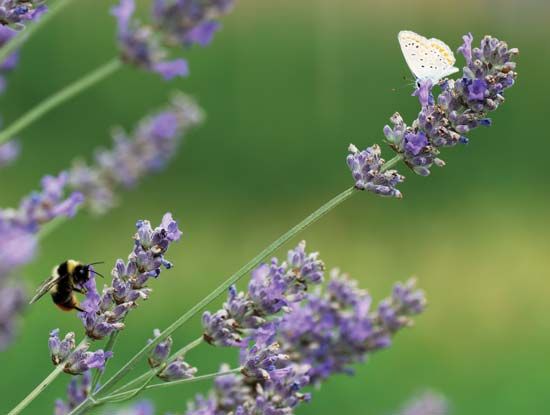
True lavender belongs to the genus Lavandula within the mint family (Lamiaceae), while plants commonly called “sea lavender” belong to an entirely different genus (Limonium) and are not related to true lavender.12
Among the true lavenders, several species are widely cultivated for their fragrant leaves and essential oils:1
- English lavender (Lavandula angustifolia): Often considered the standard for high-quality aromatic oil used in perfumery and cosmetics.13
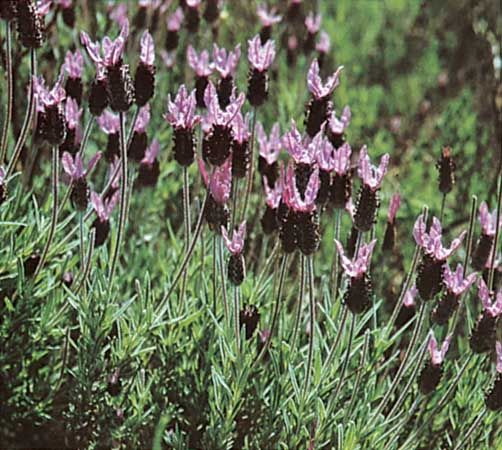
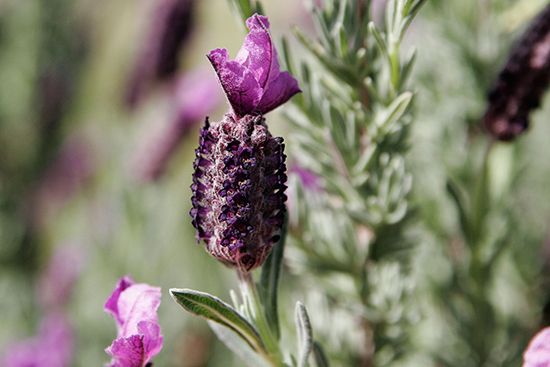
- French lavender (L. stoechas): A popular cultivated species known for its distinct appearance.1
- Woolly lavender (L. lanata): Another widely grown species valued for its characteristics.1
- Spike lavender: Distilled to produce “spike oil,” which is considered an inferior grade compared to true lavender oil and is typically used in soap manufacturing or industrial applications rather than fine perfumery.1
In contrast, sea lavenders are perennial herbaceous plants that thrive in saline, coastal soils. While they are also used in floral arrangements for their lasting color, they are distinct from the aromatic mint-family lavenders.2
Where do lavender plants originate from and in which regions are they commonly grown?
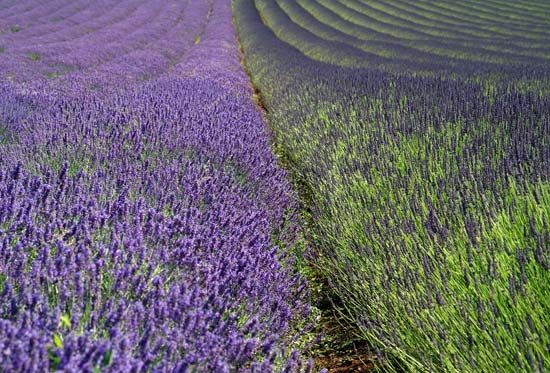
True lavender plants (genus Lavandula) are native to the countries bordering the Mediterranean region.1
While they originate from this Mediterranean cradle, they are now widely cultivated across various regions globally, primarily in herb gardens and commercial agricultural settings, due to their value for essential oils and ornamental use. It is important to distinguish these from “sea lavender” (Limonium), which, despite the name, is an unrelated genus found across North America, Eurasia, Africa, and Australia, often thriving in saline, coastal soils.12
How has lavender been used in traditional medicine throughout history?
Throughout history, lavender has been utilized in various applications within herbal medicine, though specific historical medicinal protocols are not detailed in the provided records. Beyond its traditional medicinal uses, the plant has a long history of practical application; for instance, the ancient Romans famously incorporated lavender into their baths.
In contemporary contexts, lavender is frequently associated with aromatherapy, a practice that uses essential oils to promote physical and emotional well-being. Proponents of aromatherapy suggest that inhaling lavender molecules can stimulate the olfactory nerve and trigger physiological responses, such as the promotion of relaxation. However, it is important to note that mainstream medical practitioners often question the claims of independent physiological effects, suggesting that perceived benefits may be linked to conditioned responses rather than direct medicinal action.
How is lavender used in culinary applications and cosmetic products?
Lavender is highly valued for its versatility in both culinary and cosmetic applications, primarily due to its fragrant essential oils.
Culinary Uses
In the kitchen, lavender is used to impart a distinct floral note to various items. It is commonly utilized to flavor:
- Sweets: It is a popular addition to desserts and confections.
- Beverages: The plant is frequently used to infuse flavor into a variety of drinks.
Cosmetic and Personal Care Uses
The essential oil, obtained through the distillation of lavender flowers, is a staple in the beauty and hygiene industries:
- Fine Perfumery: It serves as a key ingredient in many high-quality perfumes.
- Toilette Preparations: Lavender water, a solution of the oil in alcohol, is used in various grooming products.
- Cosmetics and Soap: The oil is widely incorporated into cosmetics and soap manufacturing.
- Fragrance: Dried flowers are traditionally used in sachets to scent closets and chests, while “spike oil”—a derivative from a different grade of lavender—is also used to scent various consumer products.1
Sources
- Lavender — Encyclopædia Britannica
- sea lavender — Encyclopædia Britannica
- lavender — Merriam-Webster
- Lavandula — Merriam-Webster
- savory: Top Questions — Encyclopædia Britannica
- aromatherapy — Encyclopædia Britannica
- Bay leaf — Encyclopædia Britannica
Published on · 3 min read