Mediterranean Vegetation
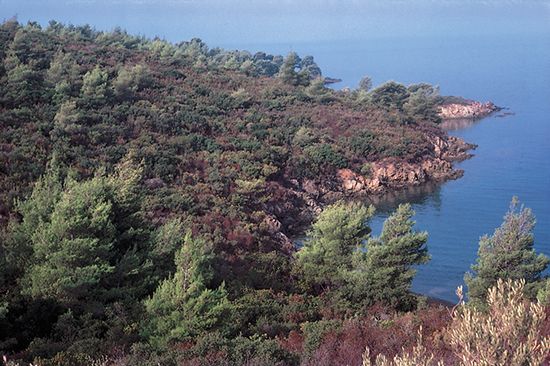
Mediterranean vegetation is a biome consisting of dense scrubland populated by broad-leaved evergreen shrubs and small trees typically under 2.5 meters tall.…
What is Mediterranean vegetation?
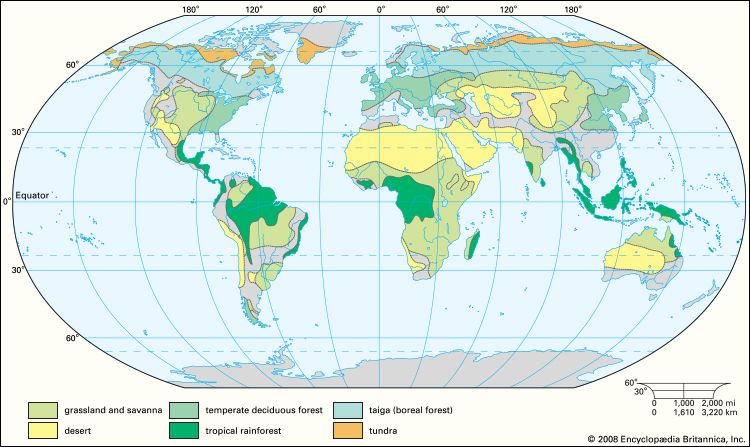
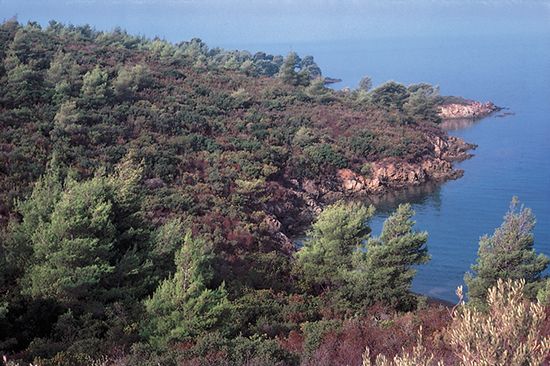
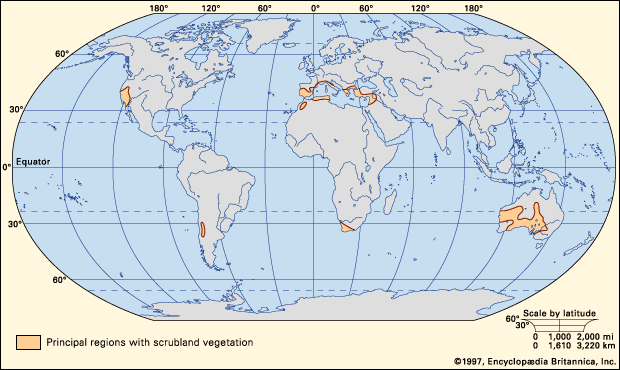
Mediterranean vegetation is a biome consisting of dense scrubland populated by broad-leaved evergreen shrubs and small trees typically under 2.5 meters tall. This vegetation thrives in regions between 30° and 40° latitude that experience a Mediterranean climate, defined by hot, dry summers and mild, wet winters.12
Key characteristics include:
- Adaptations: Plants often feature sclerophyllous (hard, leathery) leaves to conserve water and prevent nutrient loss. Many species are fire-resistant or have evolved to resprout following wildfires.123
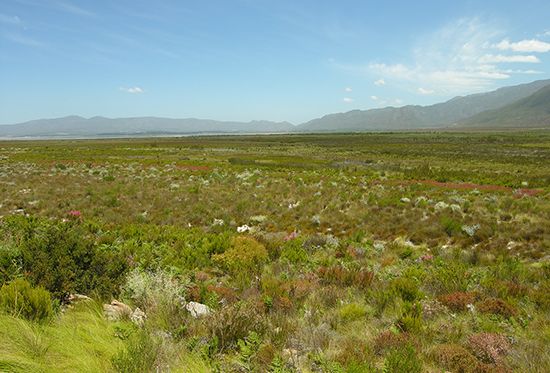
- Regional Names: While called maquis or garigue near the Mediterranean Sea, this biome is known as chaparral in North America, fynbos in South Africa, matorral in Chile, and mallee in Australia.14
- Conservation: These areas are highly biodiverse but face significant threats from habitat loss, invasive species, and climate change.1
How do plants adapt to survive frequent wildfires?
Plants have evolved remarkable strategies to survive and even thrive in fire-prone environments. These adaptations allow them to endure intense heat or regenerate rapidly once a blaze has passed.5
- Fire-Activated Seeds: Some species, such as the lodgepole pine, possess serotinous cones sealed with resin that only melt and release seeds when exposed to fire heat. Others remain dormant in the soil for decades, germinating only when triggered by chemical signals from smoke and charred matter.56
- Thermal Insulation: Certain trees, like giant sequoias, utilize thick, fire-retardant bark to protect vital tissues. Other plants use dense, dead leaves or moist, corky tissues to insulate their stems and buds from extreme temperatures.5
- Resprouting: Many plants can regenerate after being damaged. Some Eucalyptus species have protected buds under their bark, while others rely on underground structures like lignotubers, bulbs, or rhizomes to send up new shoots after the above-ground portion is destroyed.5
- Tall Crowns: By maintaining high crowns and shedding lower branches, some trees keep their foliage far above the reach of most flames, minimizing fire damage.5
- Prolific Flowering: Some species, such as the grass tree, flower rapidly following a fire to take advantage of the nutrient-rich, ash-fertilized soil.5
What are the differences between chaparral, fynbos, and mallee?
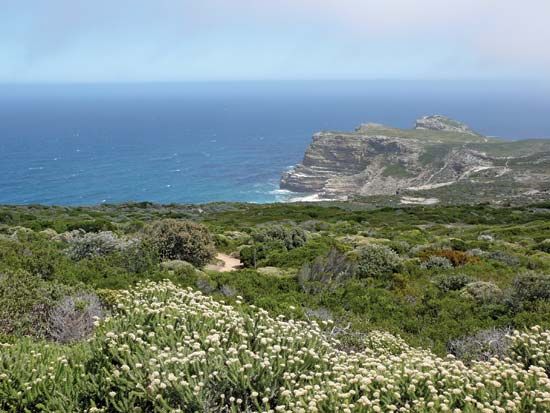
While chaparral, fynbos, and mallee are all types of Mediterranean vegetation adapted to hot, dry summers and mild, wet winters, they are distinguished primarily by their geographic locations and dominant plant species.789
Feature
Chaparral
Fynbos
Mallee
Primary Location
Southwestern North America (California, Mexico)
Southern coastal South Africa
Southwestern Australia
Dominant Vegetation
Broad-leaved evergreen shrubs and small trees (e.g.,
oaks
,
manzanita
)
Diverse endemic species (e.g.,
proteas
, heaths, irises)
Woody shrubs and small trees of the genus
Eucalyptus
Key Characteristics
Sclerophyllous
foliage; highly biodiverse
Acidic, nutrient-poor soils; high floral richness
Multistemmed plants arising from underground
lignotubers
All three biomes share common survival strategies, such as the use of sclerophyllous leaves to conserve water and adaptations to fire, including resprouting from underground structures or fire-triggered seed germination. While they occupy similar climatic niches, their unique evolutionary histories have resulted in distinct plant communities tailored to their specific regional environments.789
Why is Mediterranean vegetation considered a conservation priority?
Mediterranean vegetation is considered a high conservation priority primarily because it is extremely biodiverse and often qualifies as a biodiversity hot spot. These regions are defined by their high levels of endemic species—plants and animals that exist nowhere else on Earth—making them irreplaceable components of global biological heritage.111
Despite their ecological value, these biomes face severe threats that necessitate urgent protection:
- Habitat Loss: Due to their mild, desirable climates, these regions are under constant pressure from human land development, urbanization, and land-use changes.1
- Climate Change: Anthropogenic climate change is increasing the frequency of extreme weather, including longer droughts and more intense wildfires, which disrupt the natural balance of these ecosystems.111
- Ecological Shifts: Human activities such as fire suppression can cause scrubland to transition into woodland, while overgrazing by livestock can degrade these areas into grassland, leading to a loss of native species.1
- Invasive Species: The introduction of non-native species further threatens the survival of endemic flora and fauna.1
Because these areas have often lost a significant portion of their primary vegetation, conservationists prioritize them to prevent large-scale extinctions and maintain global biodiversity.111
Sources
- Mediterranean vegetation — Encyclopædia Britannica
- Sclerophyll — Encyclopædia Britannica
- Africa - Mediterranean vegetation — Encyclopædia Britannica
- maquis — Encyclopædia Britannica
- Playing with Wildfire: 5 Amazing Adaptations of Pyrophytic Plants — Encyclopædia Britannica
- seed - Afterripening, stratification, and temperature effects — Encyclopædia Britannica
- fynbos — Merriam-Webster
- Chaparral — Encyclopædia Britannica
- mallee — Encyclopædia Britannica
- Mediterranean Sea - Climate — Encyclopædia Britannica
- hot spot — Encyclopædia Britannica
- Mediterranean Sea - Impact of human activity — Encyclopædia Britannica
Published on · 3 min read