Lamb’s Ears
Lamb’s ears (Stachys byzantina) is a perennial herb belonging to the mint family (Lamiaceae). Native to the Middle East, this plant is widely cultivated as…
What is lamb’s ears?
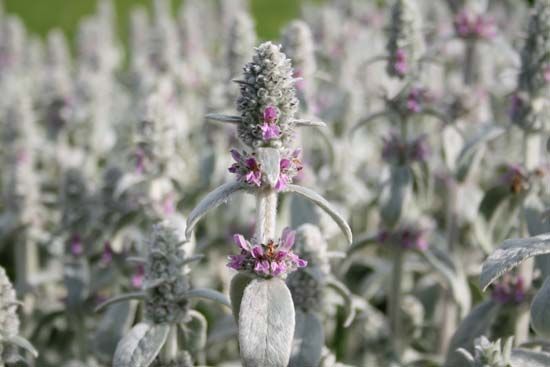
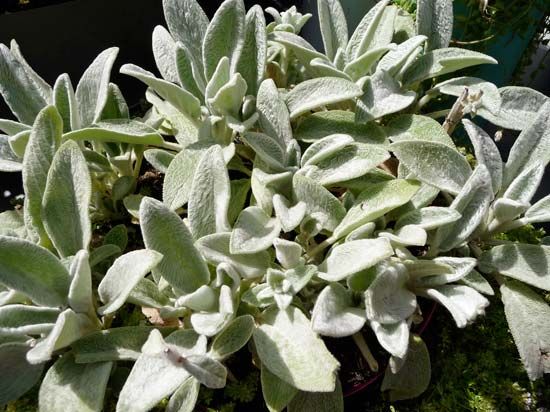
Lamb’s ears (Stachys byzantina) is a perennial herb belonging to the mint family (Lamiaceae). Native to the Middle East, this plant is widely cultivated as an ornamental for its distinctive, soft, fuzzy leaves, which resemble the ears of a young lamb.12
The plant typically grows to about 60 cm (24 inches) in height. Its oval leaves are covered in densely matted hairs called trichomes, which give them a silver-green or white appearance as they mature. While the plant produces small clusters of pink flowers that develop into nutlet fruits, some varieties rarely bloom.1
Lamb’s ears are known for being drought-tolerant, though they are susceptible to rot in humid environments.1
What are trichomes and how do they help plants?
Trichomes are filamentous outgrowths or epidermal hairs that develop from the division of epidermal cells on the surface of a plant. They can be unicellular or multicellular and are categorized as either nonglandular (elongated structures) or glandular (stalks with a secretory head).34
These structures serve several vital functions for plants:
- Temperature and Water Regulation: By increasing the reflection of solar radiation, leaf and stem trichomes help reduce internal plant temperatures, which in turn minimizes water loss in arid environments.4
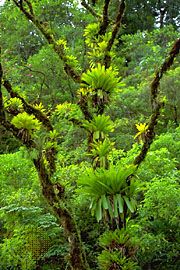
- Absorption: Some plants, such as epiphytic bromeliads, utilize foliar trichomes to absorb necessary water and minerals from the atmosphere.4
- Defense: Trichomes provide protection against herbivores through various means. Glandular trichomes can secrete oils, resins, or stinging substances, while others act as physical deterrents.4
- Nutrient Management: Plants in high-salt environments may use specialized salt-secreting trichomes to prevent the toxic accumulation of salt within their tissues.4
- Predation and Digestion: In insectivorous plants, trichomes play a key role in trapping and digesting insects to supplement the plant’s nutrient intake.4
What other plants belong to the mint family?
The mint family (Lamiaceae) is a diverse group comprising over 7,000 species, many of which are valued as culinary herbs, food crops, or ornamentals. These plants are generally characterized by square stems, opposite leaves, and tubular, two-lipped flowers.567
Common members of the family include:
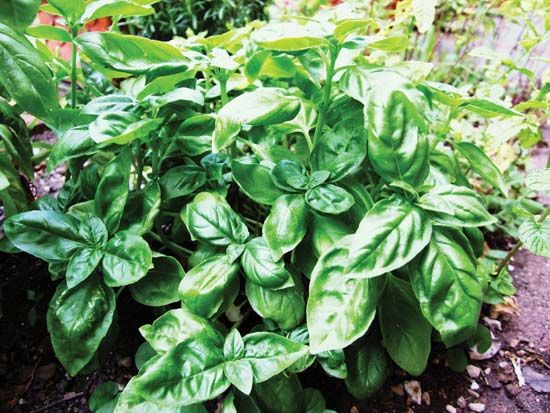
- Culinary Herbs: Basil, holy basil, marjoram, mint (including peppermint and spearmint), oregano, rosemary, sage, savory, and thyme.56
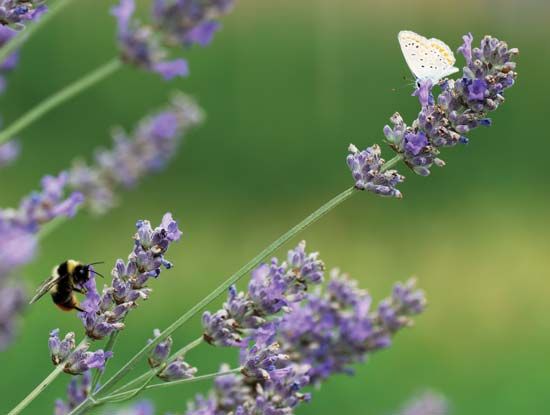
- Ornamentals: Bee balm, bells of Ireland, bugleweed, catnip, chaste tree, coleus, germander, hyssop, lamb’s ears, and lavender.56
- Other Notable Species: Chia, lemon balm, patchouli, and self-heal.56
How do perennial plants differ from annuals?
The primary difference between annuals and perennials lies in their life span and reproductive cycle.
- Annuals: These plants complete their entire life cycle—germination, growth, flowering, and death—within a single growing season9. Once they produce seeds, the parent plant dies, and the seed is the only part that survives to the next season. Common examples include corn, beans, and marigolds.89
- Perennials: These plants persist for several to many years. While woody perennials like trees and shrubs remain visible year-round, many herbaceous perennials in cold climates have aerial parts that die back in autumn. These plants survive the winter through specialized underground storage structures—such as bulbs, rhizomes, corms, or tubers—and produce new growth the following season.10118
Notably, some plants, such as tomatoes, are perennials in their native tropical environments but are frequently cultivated as annuals in temperate zones because they cannot survive the local winter.911
Sources
- lamb’s ears — Encyclopædia Britannica
- lamb's ears — Merriam-Webster
- trichome — Merriam-Webster
- Angiosperm - Dermal tissue — Encyclopædia Britannica
- list of plants in the family Lamiaceae — Encyclopædia Britannica
- list of economically important members of the family Lamiaceae — Encyclopædia Britannica
- Lamiales - Main families — Encyclopædia Britannica
- Is That Plant 'Perennial' or 'Annual'? — Merriam-Webster
- Annual — Encyclopædia Britannica
- Perennial — Encyclopædia Britannica
- Angiosperm - General features — Encyclopædia Britannica
- life span - Perennials — Encyclopædia Britannica
Published on · 3 min read