Patchouli
Patchouli (Pogostemon cablin) is an aromatic flowering plant belonging to the mint family (Lamiaceae). Native to tropical Asia, this shrubby perennial is…
What is Patchouli?
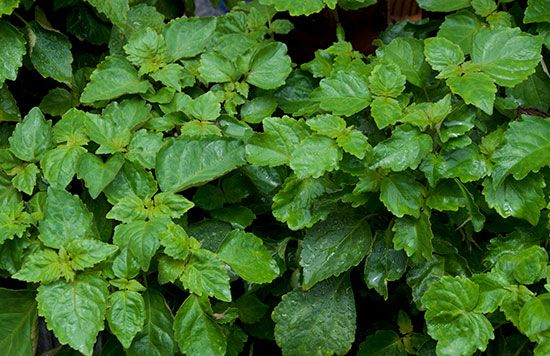
Patchouli (Pogostemon cablin) is an aromatic flowering plant belonging to the mint family (Lamiaceae). Native to tropical Asia, this shrubby perennial is widely cultivated for its fragrant leaves, which are the source of a valuable essential oil.12
The oil is extracted from shade-dried leaves through steam distillation and is prized for its musky notes and strong fixative properties. It is commonly used as a fragrance in perfumes, soaps, cosmetics, and incense. Beyond its use in perfumery, patchouli has a history of application in aromatherapy and traditional medicine, where it is sometimes used to treat skin conditions like eczema or dandruff, as well as digestive ailments. Additionally, the leaves have historically served as a moth repellent for clothing.1
What other plants belong to the mint family?
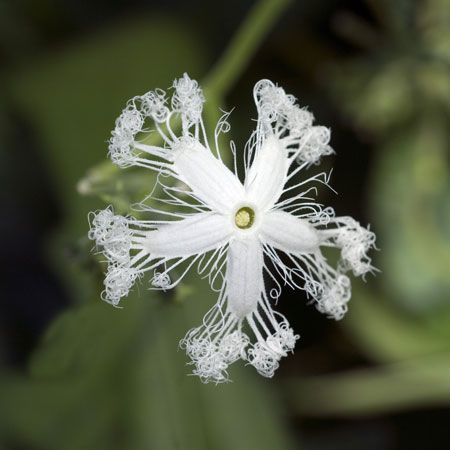
The Lamiaceae family, commonly known as the mint family, is a diverse group of angiosperms comprising over 7,000 species. These plants are typically identified by their square stems, simple paired leaves, and tubular, two-lipped flowers.34
Beyond mint, the family includes many economically important herbs, food crops, and ornamentals, such as:
- Culinary Herbs: Basil, holy basil, marjoram, oregano, rosemary, sage, savory, thyme, and lemon balm.34
- Ornamentals: Bee balm, bells of Ireland, bugleweed, catnip, chaste tree, coleus, germander, and lamb’s ears.34
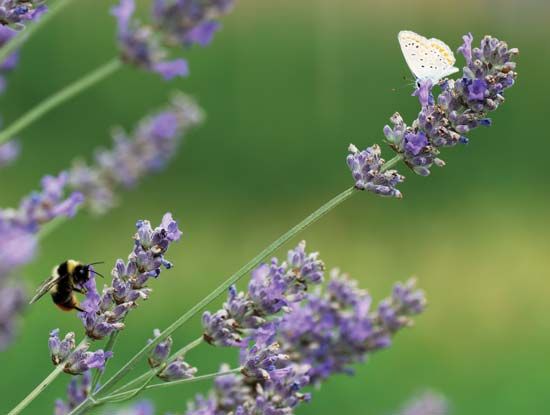
- Other Notable Species: Chia, lavender, hyssop, and horehound.34
These plants belong to the larger order Lamiales, which contains numerous other families of flowering plants.5
How does steam distillation extract oil from plants?
Steam distillation is the most common method for isolating essential oils from plants. The process begins by crushing or grinding plant material to reduce particle size and rupture the oil-bearing glands where the volatile substances are stored.6
There are three primary ways this is practiced:
- Direct Heating: Plant material and water are placed in a vessel and heated by a direct flame. The resulting steam and volatile oil are captured by a water-cooled condenser.6
- Steam Injection: Plant material is suspended on a grid above water. Steam from a separate vessel is introduced under the grid, carrying the volatiles to a condenser.6
- Dry Distillation: The vessel containing the plant material is heated to prevent steam from condensing, allowing for the extraction of volatiles without the presence of liquid water.6
Because essential oils are often immiscible and chemically nonreactive with water, steam distillation allows these substances to vaporize at temperatures lower than their normal boiling point, preventing thermal decomposition. Upon condensation, the oil is separated from the water.786
What are some other common essential oils used in aromatherapy?
In addition to mint, several other essential oils are commonly used in aromatherapy to promote physical and emotional well-being. These oils are typically inhaled, used in massage, or added to bathwater to trigger physiological or psychological responses.9
Commonly used essential oils include:
- Tea tree oil: Known for its strong, camphor-like medicinal scent, this oil is frequently used as a topical agent for various skin conditions.10
- Eucalyptus oil: Extracted from the leaves of various Eucalyptus species, this oil is widely used in inhalants and expectorants to help relieve congestion.911
- Bergamot: Derived from the peel of the bergamot orange, this oil is valued for its floral fragrance and is commonly used in both the perfume and flavoring industries.7
- Rose oil: A historically significant and highly prized oil used for its distinct scent.12
- Rosemary: A traditional aromatic oil that has been used in pharmacies for centuries.12
While these oils are popular, it is important to note that they are not standardized, and some individuals may experience allergic reactions or skin irritation when using them.910
Sources
- Patchouli — Encyclopædia Britannica
- patchouli — Merriam-Webster
- list of plants in the family Lamiaceae — Encyclopædia Britannica
- list of economically important members of the family Lamiaceae — Encyclopædia Britannica
- Lamiales — Encyclopædia Britannica
- steam distillation — Merriam-Webster
- Essential oil — Encyclopædia Britannica
- distillation — Encyclopædia Britannica
- aromatherapy — Encyclopædia Britannica
- Tea tree oil — Encyclopædia Britannica
- eucalyptus — Encyclopædia Britannica
- Bergamot — Encyclopædia Britannica
Published on · 3 min read