Leaf-rolling Weevil
A leaf-rolling weevil is a member of the family Attelabidae, a subgroup of the weevil family (order Coleoptera). These small insects, typically measuring 3–6…
What is leaf-rolling weevil?
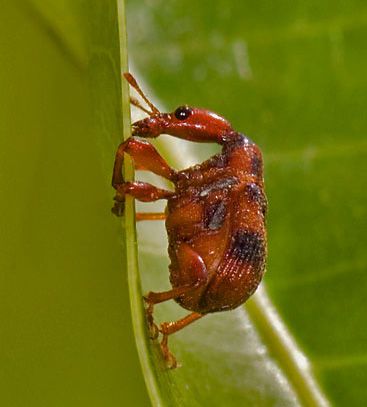
A leaf-rolling weevil is a member of the family Attelabidae, a subgroup of the weevil family (order Coleoptera). These small insects, typically measuring 3–6 mm, are known for a unique reproductive behavior: the female protects her eggs by rolling them inside a growing leaf. Once the eggs hatch, the larvae consume the leaf from the inside.1
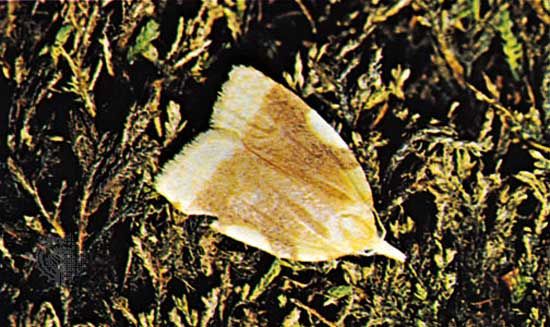
Adult leaf-rolling weevils are free-living and often associated with specific tree species, such as oaks or poplars. While they share a leaf-rolling habit with the larvae of the leaf roller moth—a member of the family Tortricidae—the two are distinct groups of insects with different life cycles and biological classifications.12
How do these weevils protect their eggs inside the leaf?
The female leaf-rolling weevil protects her eggs by meticulously rolling them inside a living leaf. This process creates a secure, protective structure that serves as both a shelter and a food source for the offspring. Once the eggs hatch, the larvae remain inside this rolled leaf, feeding on the plant tissue from within as they develop.1
Depending on the specific species, the female may roll the entire leaf or only a portion of it to accommodate the eggs. For instance, the species Rhynchites betuleti is known to roll the whole leaf of a hazel tree, while Apoderus coryli rolls only one side of the leaf.1
What is the difference between a weevil and a moth?
Weevils and moths belong to entirely different biological orders. A weevil is a type of beetle within the order Coleoptera, while moths belong to the order Lepidoptera.
The primary differences include:
- Wing Structure: Beetles are characterized by two pairs of wings, where the front pair is modified into hardened, leathery covers called elytra. These protect the hind wings and the abdomen when the insect is at rest.41
- Physical Features: Many weevils are distinguished by a prominent snout used for feeding and boring holes for egg-laying, as well as distinctly elbowed antennae.5
- Classification: The order Coleoptera is the largest in the animal kingdom, comprising over 400,000 species, including the family Curculionidae (true weevils) and Attelabidae (leaf-rolling weevils).561
While some insects, such as the leaf-rolling weevil and certain moth larvae, share the habit of rolling leaves for protection, they are distinct groups with different life cycles and anatomical structures. The provided search results do not contain specific comparative data on the anatomy or life cycles of moths.6
How do larvae survive once they hatch inside the leaf?
Once the larvae of the leaf-rolling weevil hatch from their eggs, they survive by consuming the leaf tissue from within the protective structure created by the female. This rolled leaf serves as both a secure shelter and a readily available food source, allowing the larvae to develop safely while feeding on the plant material that surrounds them.1
In general, the larvae of weevils are specialized feeders, often restricted to specific parts of a plant, such as stems, roots, or leaves, depending on the species. By remaining inside the leaf roll, these larvae are shielded from external threats while they sustain themselves on the host plant’s tissues.41
Sources
- leaf-rolling weevil — Encyclopædia Britannica
- leaf roller moth — Encyclopædia Britannica
- Coleoptera - Typical life cycle — Encyclopædia Britannica
- weevil — Encyclopædia Britannica
- Coleoptera - Distinguishing taxonomic features — Encyclopædia Britannica
- Coleoptera — Encyclopædia Britannica
- Coleoptera - Larvae — Encyclopædia Britannica
Published on · 2 min read