Leaf Roller Moth
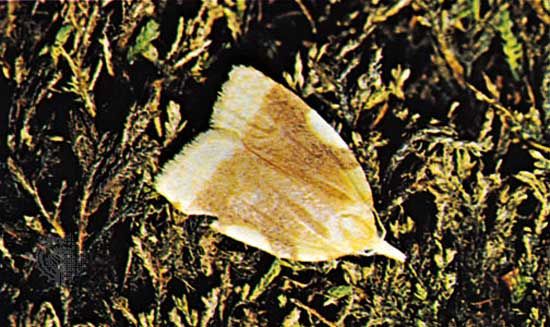
Leaf roller moths, which belong to the family Tortricidae, derive their name from the characteristic behavior of their larvae, which construct nests by…
How do leaf roller moths get their name, and what is their typical behavior?
Leaf roller moths, which belong to the family Tortricidae, derive their name from the characteristic behavior of their larvae, which construct nests by rolling leaves.1
Larval Behavior
The larvae of these moths typically feed from within these protective, rolled-leaf structures. Many species exhibit gregarious behavior, meaning they congregate to build large, communal nests composed of silk, twigs, and leaves. While some species are solitary, others are known to be significant agricultural and forestry pests; for example, the spruce budworm can cause extensive damage by defoliating evergreen trees. Other notable examples include the fruit-tree leaf roller and the red-banded leaf roller, both of which are recognized as serious orchard pests.123
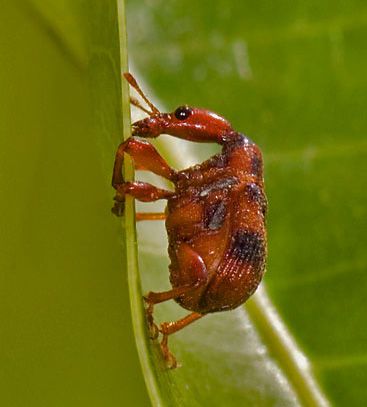
It is important to distinguish these moths from leaf-rolling weevils, which are a different type of insect (order Coleoptera). Unlike the moth larvae that roll leaves for shelter and feeding, female leaf-rolling weevils roll leaves specifically to protect their newly laid eggs.4
How do leaf roller moths impact ecosystems and agriculture?
Leaf roller moths (family Tortricidae) significantly impact both natural ecosystems and agricultural sectors primarily through the feeding habits of their larvae. While the query implies a broad ecological role, the available information focuses heavily on their status as destructive pests.1
Agricultural and Forestry Impact
The larvae of many leaf roller species are considered serious pests because they feed on the foliage and reproductive structures of trees and crops. Their impact includes:
- Defoliation: Species such as the spruce budworm are among the most destructive pests in North America. By feeding on needles and pollen, they can completely defoliate spruce and related evergreen trees, leading to substantial losses for the lumber industry.1
- Orchard Damage: Various leaf rollers, including the fruit-tree leaf roller and the red-banded leaf roller, target fruit trees like apples. Their feeding behavior can compromise the health and productivity of orchards, making them a significant concern for fruit growers.125
- Structural Damage: By constructing communal nests of silk, twigs, and leaves, these larvae create protected environments that allow them to feed extensively on their host plants, often causing widespread damage to both evergreen and deciduous trees.1
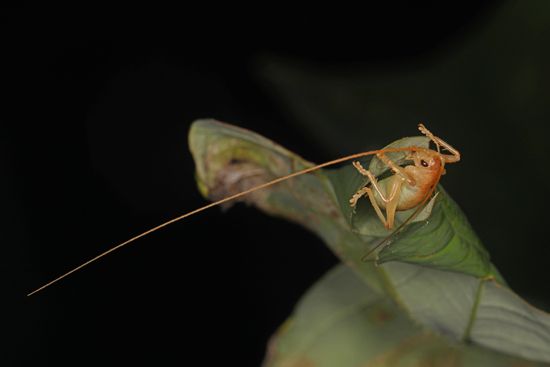
It is important to note that while these moths are often viewed through the lens of economic damage, they are distinct from other leaf-rolling insects, such as the leaf-rolling cricket, which occupy different ecological niches.3
What kind of damage do leaf roller moths cause to plants, and which plants are most affected?
Leaf roller moths (family Tortricidae) cause damage primarily through the feeding habits of their larvae, which construct protective nests by rolling leaves with silk. This behavior allows them to feed on plant tissues while remaining shielded from predators and environmental factors.1
Types of Damage
The larvae damage plants by consuming foliage and reproductive structures. Common forms of damage include:
- Defoliation: Larvae may consume needles, leaves, and pollen, which can lead to the complete defoliation of host trees, significantly weakening them and causing substantial economic loss in forestry.1
- Communal Nesting: Many species, such as the North American ugly-nest caterpillar (Archips cerasivoranus), build large, communal nests using silk, twigs, and leaves, which can cause localized damage to branches and foliage.1
Affected Plants
A wide variety of trees and crops are susceptible to these pests:
- Evergreens: The spruce budworm is a major pest of spruce and related evergreen trees.1
- Fruit Trees: The fruit-tree leaf roller specifically targets apple and other fruit trees.2
- Deciduous Trees: Species such as the European oak roller (Tortrix viridana) feed on deciduous trees like oak.1
- Other Foliage: Some species, such as the kurrajong leaf roller, feed on specific foliage like that of the kurrajong tree.6
What are some common types of leaf roller moths, and how do they differ?
Leaf roller moths belong to the family Tortricidae and are named for the characteristic behavior of their larvae, which construct protective nests by rolling leaves with silk. While they share this general habit, different species vary in their host plants and social behaviors.17
Common Types of Leaf Roller Moths
- Spruce Budworm (Choristoneura fumiferana): One of the most destructive North American pests, this species targets evergreens. The larvae feed on needles and pollen, often causing complete defoliation of spruce and related trees, which results in significant losses for the lumber industry.1
- European Oak Roller (Tortrix viridana): Also known as the pea-green moth, this species is a notable pest of deciduous trees, specifically oak.1
- North American Ugly-nest Caterpillar (Archips cerasivoranus): This species is known for its gregarious nature, as the larvae congregate to construct large, communal nests made of silk, twigs, and leaves.1
- Strawberry Leaf Roller (Ancylis comptana): This moth is specifically associated with strawberry plants, as its larvae roll up and feed on the leaves.8
Key Differences
The primary differences between these species lie in their host plant preferences—ranging from evergreens to deciduous trees and specific crops—and their social structure. While some species are solitary, others, such as those in the genera Archips and Cacoecia, are gregarious, working together to build communal shelters that protect them from predators and environmental elements.1
It is important to distinguish these moths from leaf-rolling weevils, which are beetles (order Coleoptera) rather than moths (order Lepidoptera) and utilize different methods for protecting their eggs within rolled leaves.4
Sources
- leaf roller moth — Encyclopædia Britannica
- fruit-tree leaf roller — Merriam-Webster
- red-banded leaf roller — Merriam-Webster
- leaf-rolling weevil — Encyclopædia Britannica
- leaf-rolling cricket — Encyclopædia Britannica
- kurrajong leaf roller — Merriam-Webster
- strawberry leaf roller — Merriam-Webster
- Lepidoptera - Larva, or caterpillar — Encyclopædia Britannica
- moth — Encyclopædia Britannica
Published on · 4 min read