Leopard Moth
The leopard moth (Zeuzera pyrina) is a widely distributed moth belonging to the family Cossidae. It is named for its distinctive appearance: the adult has a…
What is leopard moth?
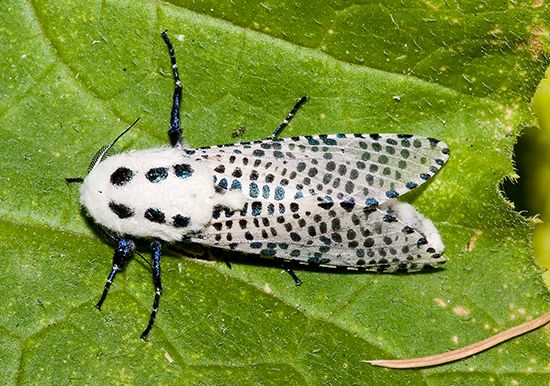
The leopard moth (Zeuzera pyrina) is a widely distributed moth belonging to the family Cossidae. It is named for its distinctive appearance: the adult has a fluffy white body and pale wings featuring numerous black or blue spots, which resemble the coat pattern of a snow leopard.12
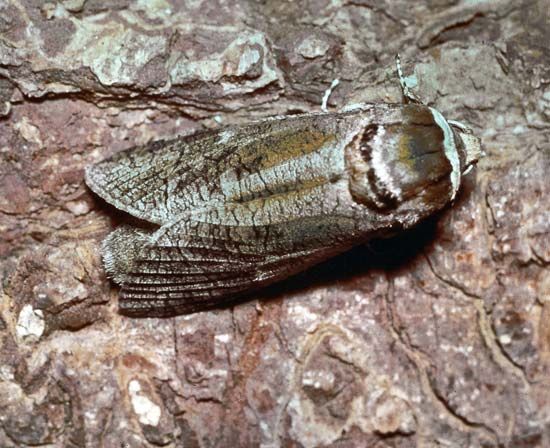
These moths are nocturnal and lack mouthparts, living as adults for only 6–10 days to mate and lay eggs. Their life cycle is primarily spent as grublike caterpillars, which are known for being destructive pests. The larvae bore into the heartwood of deciduous trees and shrubs—particularly apples, pears, and plums—where they create tunnels that can disrupt nutrient flow and weaken the plant structure. Despite their status as pests, they serve as an important food source for woodpeckers and other birds.132
How do moths differ from butterflies?
While both moths and butterflies belong to the order Lepidoptera, they exhibit several distinct physical and behavioral differences:
- Antennae: Most moths possess thick or feathery antennae, whereas butterflies typically have simple, club-tipped antennae.4
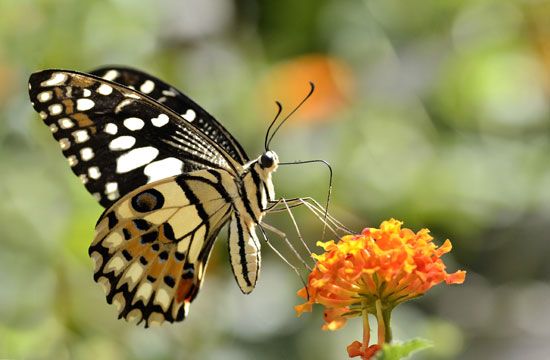
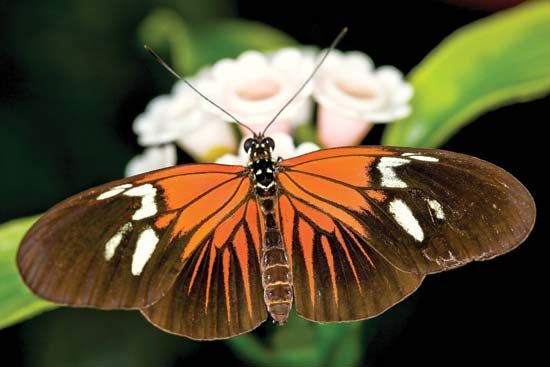
- Body and Wings: Butterflies generally have slim, dainty bodies and hold their wings vertically over their backs when at rest. Moths are usually stout and often fuzzy, and they typically fold their wings tentlike, wrap them around their bodies, or hold them extended at their sides.4
- Coloration: Butterflies are often brightly colored with dramatic patterns, while moths are frequently more drab, though there are notable exceptions in both groups.4
- Activity: Butterflies are typically diurnal (active during the day), while most moths are nocturnal.4
- Metamorphosis: During the pupal stage, butterflies form a chrysalis, whereas most moths construct a fibrous cocoon for protection.45
What are some other types of wood-boring insects?
Wood-boring insects are a diverse group of organisms that damage trees, timber, and wooden products by feeding within plant tissues. While many are beetles, other insect groups and even some non-insects are also categorized as wood borers.
Beetles (Order Coleoptera)
Beetles represent the most significant group of wood-boring insects. Key families include:
- Bark Beetles (Scolytinae): These destructive pests bore into the bark of living trees, creating tunnels that disrupt nutrient flow and often kill the host.67
- Long-horned Beetles (Cerambycidae): These beetles bore into the stems, trunks, roots, and cones of both living and dead trees.6
- Metallic Wood Borers (Buprestidae): Similar to long-horned beetles, these often kill branches or entire trees by boring into the cambium.6
- Dry-Wood Borers: Several groups damage seasoned lumber and furniture, including powderpost beetles (Lyctinae), deathwatch beetles (Anobiidae), and branch and twig borers (Bostrichidae).68
Other Wood-Boring Organisms
Beyond beetles, other organisms also exhibit wood-boring habits:
- Lepidopterans: The larvae of various moths, such as clearwing or goat moths, are known to bore into trees.9
- Horntails: The larvae of these insects (family Siricidae) are recognized wood borers.9
- Non-Insects: Certain bivalve mollusks (such as teredos) and small crustaceans (like the gribble) are specialized to bore into wood, particularly in aquatic environments.9
How do insects like the leopard moth contribute to food webs?
Insects like the leopard moth (Zeuzera pyrina) play a significant role in food webs as both consumers and a vital food source for other animals.
As members of the order Lepidoptera, these insects function as primary consumers by feeding on green plants during their larval stage. In the case of the leopard moth, the larvae bore into the stems of deciduous trees and shrubs, where they feed on heartwood.114
Their contribution to the food web is particularly notable through their role as prey:
- Avian Predators: The larvae are an important food source for woodpeckers and various other birds that forage for them within the wood of trees.114
- General Ecosystem Role: More broadly, lepidopterans are essential components of food chains because of their high abundance and diversity. They are consumed by a wide array of predators, including spiders, ants, wasps, lizards, bats, and rodents.13
While their wood-boring habits can be destructive to plants, they remain integral to the balance of their local ecosystems.14
Sources
- leopard moth — Encyclopædia Britannica
- leopard moth — Merriam-Webster
- carpenter moth — Encyclopædia Britannica
- What’s the difference between moths and butterflies? — Encyclopædia Britannica
- Lepidoptera - Pupa , or chrysalis — Encyclopædia Britannica
- Coleoptera - As plant feeders — Encyclopædia Britannica
- Coleoptera - Pupae — Encyclopædia Britannica
- branch and twig borer — Encyclopædia Britannica
- bark beetle — Encyclopædia Britannica
- wood borer — Merriam-Webster
- Taiga - Insects — Encyclopædia Britannica
- Coleoptera - Larval features — Encyclopædia Britannica
- forestry - Insect and disease control — Encyclopædia Britannica
- Lepidoptera - Environmental hazards — Encyclopædia Britannica
Published on · 3 min read