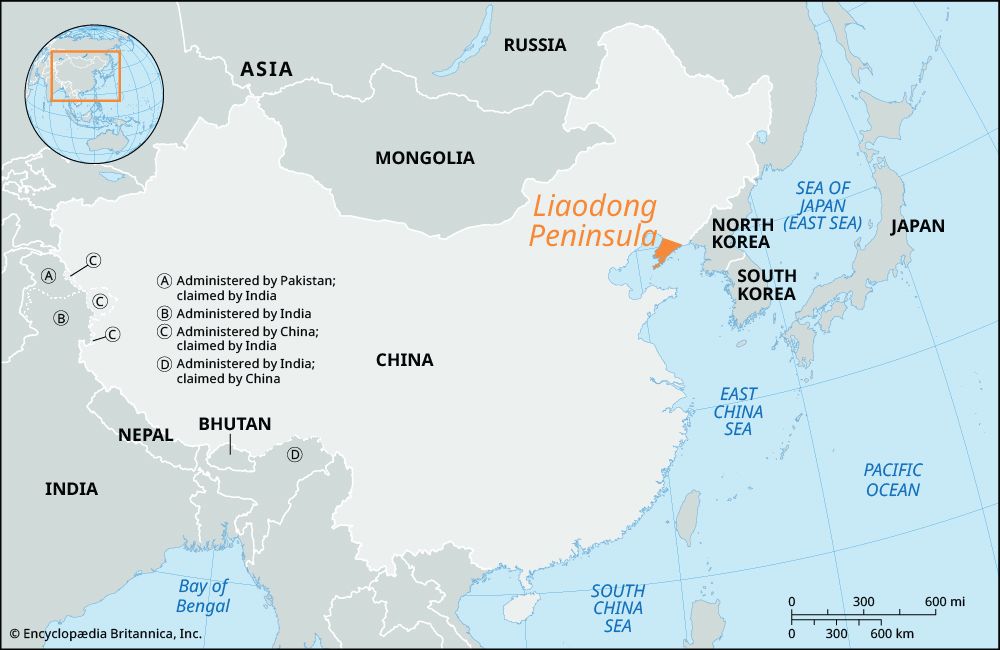
Liddesdale
Liddesdale is a valley located in southern Scotland that follows the course of the Liddel Water. It stretches over 20 miles (32 km) from Peel Fell southwest…
What is Liddesdale?
Liddesdale is a valley located in southern Scotland that follows the course of the Liddel Water. It stretches over 20 miles (32 km) from Peel Fell southwest to the River Esk, which eventually flows into the Solway Firth.1
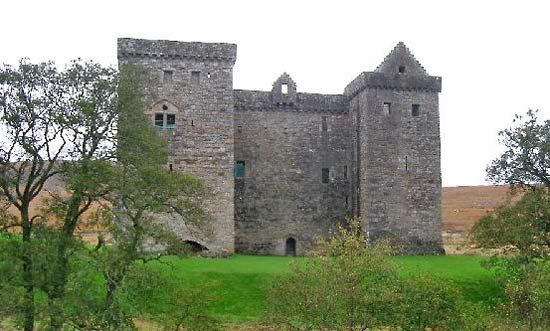
The region is divided between the Scottish Borders council area and Dumfries and Galloway. Historically, the Liddel Water served as the Anglo-Scottish border for 7 miles (11 km), making the dale a frequent site of border warfare and cattle raiding. Consequently, the landscape is marked by defensive structures, most notably the 13th-century Hermitage Castle and various smaller pele towers. Today, Liddesdale retains a rural character defined by sheep farming and steep, hilly terrain.1
Who were the Border Reivers?
The Border Reivers were raiders who operated along the Anglo-Scottish border, including areas like Liddesdale. The term “reiver” is derived from the Middle English (Scots) reiffar, meaning a robber or raider, originating from the Old English reafian, which means to rob.3
These individuals were notorious for their involvement in cattle rustling and border warfare, which plagued the region for centuries. The landscape of the borderlands, particularly in valleys like Liddesdale, was heavily influenced by this history of conflict, leading to the construction of numerous defensive structures such as pele towers and Hermitage Castle to protect against these raids.31
What is the history of Hermitage Castle?
Sorry, the Britannica knowledge base does not contain the specific history of Hermitage Castle beyond its establishment in 1244 and its role as a fortification in Liddesdale.
What are pele towers and why were they built?
A pele tower (also spelled “peel tower”) is a small, massive, and heavily fortified tower that was historically constructed along the border between Scotland and England.6
These structures were built primarily as defensive fortifications. Given the volatile nature of the Anglo-Scottish borderlands, where raids and conflicts were frequent, these towers provided essential protection for local inhabitants and their livestock against the incursions of Border Reivers. The term itself is derived from the Middle English (Scots) pel, which refers to a stockade or stake, reflecting the defensive nature of these buildings.6
Sources
- Liddesdale — Encyclopædia Britannica
- Roxburghshire — Encyclopædia Britannica
- reiver — Merriam-Webster
- Stirling Castle — Encyclopædia Britannica
- The Rise of Andrew Jackson - Planter and Businessman — Encyclopædia Britannica
- peel — Merriam-Webster
Published on · 2 min read