Lennooideae
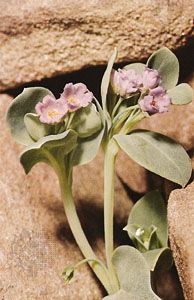
The Lennooideae, commonly known as the sand food subfamily, are parasitic plants that inhabit desert regions across the Americas. Their geographical…
What is the geographical distribution of Lennooideae plants?
The Lennooideae, commonly known as the sand food subfamily, are parasitic plants that inhabit desert regions across the Americas. Their geographical distribution includes Mexico, Colombia, Venezuela, and the southwestern United States, specifically including areas such as Arizona.1
These plants are obligate root parasites that lack chlorophyll, relying on haustoria to extract nutrients from host roots. Due to their specialized habitat requirements, many species within this group are considered rare.1
How do Lennooideae plants reproduce and disperse their seeds?
Sorry, the Britannica knowledge base does not contain this information.
How do scientists study and classify members of the Lennooideae subfamily?
Scientists classify members of the Lennooideae subfamily primarily through the use of molecular and physiological evidence. While these plants were historically treated as a distinct family known as Lennoaceae, they have been reassigned as a subfamily within the Boraginaceae family by the Angiosperm Phylogeny Group III (APG III) system.21
The classification of this group remains a subject of contention among botanists. Researchers study these plants by examining their unique morphological traits, such as their status as obligate root parasites that completely lack chlorophyll. Although they possess flowers that are typically “boragelike,” scientists distinguish them from other members of the Boraginaceae family by their ovaries, which are divided into many partitions rather than the four partitions characteristic of many other borages.21
By analyzing these structural differences alongside genetic data, scientists continue to refine the evolutionary placement of these rare, desert-dwelling organisms within the broader context of flowering plant taxonomy.21
How many genera and species are included in the Lennooideae subfamily?
The classification of the Lennooideae subfamily is a subject of ongoing botanical debate, which has led to conflicting information regarding the number of genera and species included in the group.
According to some records within the Boraginaceae family, the subfamily is composed of two genera and four species of parasitic plants. However, other botanical data indicates that the group comprises three genera and seven species.12
These plants, which are obligate root parasites that lack chlorophyll, are found in desert regions across Colombia, Venezuela, Mexico, and the southwestern United States and the southwestern United States. Due to their unique physiological traits and the lack of consensus in their evolutionary history, their precise taxonomic count remains a point of contention among scientists.12
Sources
- Lennooideae — Encyclopædia Britannica
- Boraginaceae — Encyclopædia Britannica
Published on · 2 min read