Nemophila
Nemophila is a genus of annual herbs belonging to the Boraginaceae family. Native primarily to the Pacific coast of North America, this genus consists of 11…
What is Nemophila?
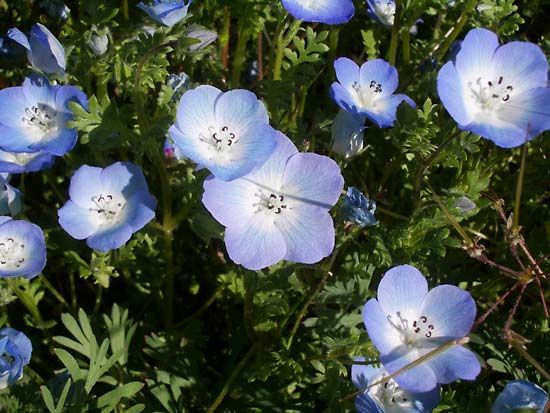
Nemophila is a genus of annual herbs belonging to the Boraginaceae family. Native primarily to the Pacific coast of North America, this genus consists of 11 species characterized by their bell-like, five-lobed, wheel-shaped flowers that typically bloom in shades of blue or white.1
These plants can grow up to 50 cm tall and sometimes exhibit a creeping habit, with leaves divided into five to nine lobes. A well-known member of this genus is baby blue-eyes (Nemophila menziesii), which is frequently found blooming along the edges of moist woodlands in California.12
What other plants belong to the Boraginaceae family?
The Boraginaceae family, also known as the borage or forget-me-not family, is a diverse group of flowering plants comprising 148 genera and over 2,700 species. These plants are typically herbaceous and hairy, though the family also includes vines, trees, and even some parasitic species.3
Common plants and genera within this family include:
- Garden Ornamentals: Heliotropium (heliotrope), Mertensia virginica (Virginia bluebell), Phacelia (scorpion weed), Pulmonaria (lungwort), and Myosotis (forget-me-not).3
- Medicinal Plants: Borago officinalis (borage), Symphytum officinale (comfrey), and Lithospermum (puccoon, or stoneseed)3.
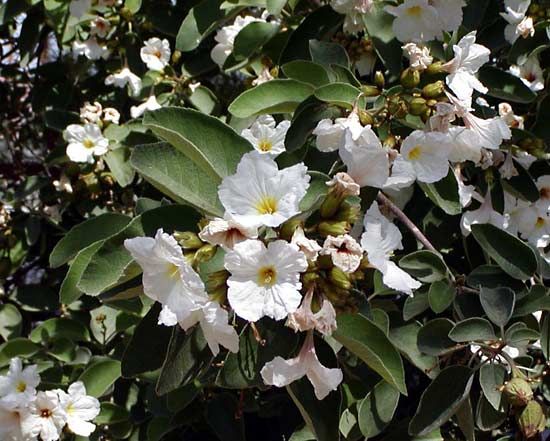
- Tropical Species: The genus Cordia, which contains over 200 species and includes several important timber-producing trees.3
- Subfamilies: The family also incorporates the Lennooideae (sand food) and Hydrophylloideae (waterleaf) groups, the latter of which includes Hydrophyllum and Wigandia.3
Why are these flowers often called baby blue eyes?
The common name “baby blue-eyes” for Nemophila menziesii is derived from the plant’s distinctive, delicate appearance. The name refers to the flower’s bright, clear blue color and its wheel-shaped, five-lobed structure, which evokes the imagery of a young child’s eyes.12
While the species is most famous for its vibrant blue petals, the plant can also produce white or pale blue flowers, a variety of which is sometimes referred to as “baby eyes”. These blooms typically measure up to 4 cm (1.5 inches) across and are often found growing in moist woodland borders throughout California.14
What environmental conditions do Nemophila plants need to thrive?
Nemophila plants, including the well-known baby blue-eyes (Nemophila menziesii), are annual herbs native to North America, particularly along the Pacific coast. To thrive, these plants require specific environmental conditions that mimic their natural habitats.1
- Moisture: These plants are typically found in moist environments, often growing along the borders of woodlands where soil hydration is consistent.1
- Habitat: They are well-adapted to woodland edges, which provide the necessary balance of light and protection from harsh, direct exposure.1
- Growth Habit: As they can grow up to 50 cm tall and sometimes exhibit a creeping habit, they benefit from spaces where they can spread across the ground in these damp, sheltered areas.1
Sources
- Nemophila — Encyclopædia Britannica
- baby blue eyes — Merriam-Webster
- Boraginaceae — Encyclopædia Britannica
- baby eyes — Merriam-Webster
Published on · 2 min read