Lentil
The lentil (Lens culinaris) is a small annual legume valued for its edible seeds. The plant typically grows between 15 and 45 cm in height, featuring…
What is a lentil plant and which plant family does it belong to?
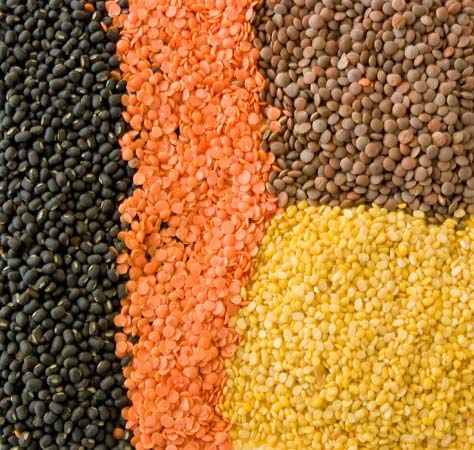
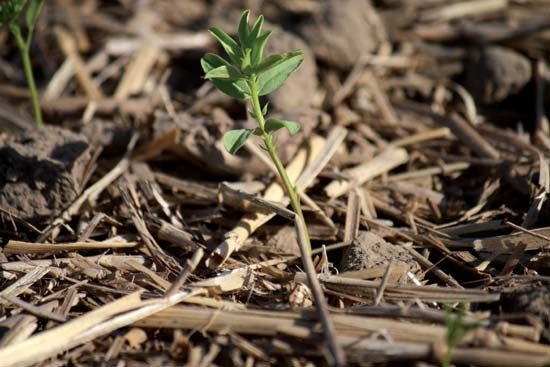
The lentil (Lens culinaris) is a small annual legume valued for its edible seeds. The plant typically grows between 15 and 45 cm in height, featuring compound leaves and small, pale blue flowers. Its pods contain two seeds, which are shaped like a doubly convex lens and serve as a nutritious source of protein, dietary fibre, and essential minerals.1
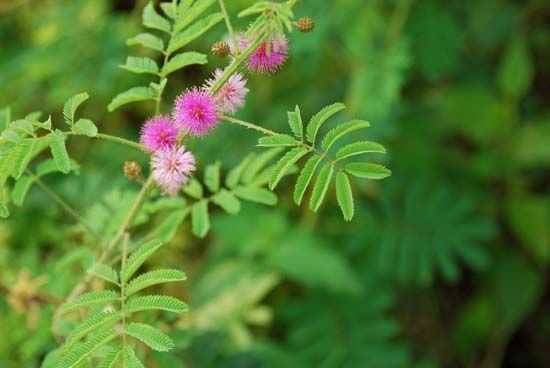
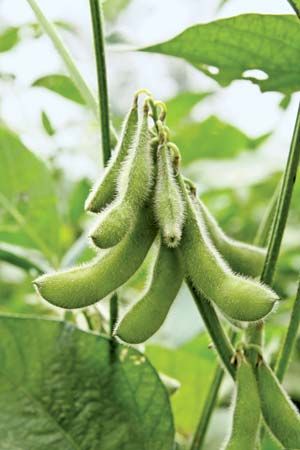
The lentil belongs to the pea family, known scientifically as Fabaceae. This family is the third-largest group of angiosperms and is considered one of the most important plant families for human and livestock food production, alongside other notable members like soybeans, peanuts, and alfalfa.12
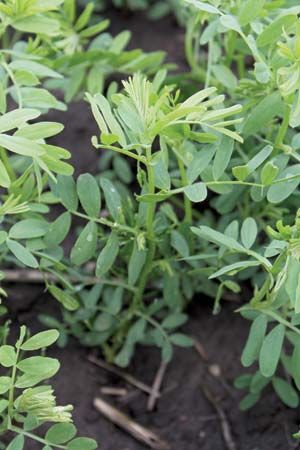
How long has lentil cultivation been practiced in human history?
Lentils are among the most ancient cultivated food crops in human history, with their origins likely traced to the Near East.1
Evidence of their long-standing role in human diets is found in archaeological sites such as the lake dwellings of St. Peter’s Island in Switzerland, which date back to the Bronze Age. Furthermore, the historical significance of the crop is reflected in ancient texts, including the biblical account of Esau trading his birthright for a dish of red lentils.1
What nutritional benefits do lentils offer as a food source?
Lentils are a highly nutritious food source, valued for their dense concentration of essential nutrients. They serve as an excellent plant-based source of protein and dietary fibre, both of which are vital for maintaining a balanced diet.1
In addition to these macronutrients, lentils provide several key vitamins and minerals necessary for human health:
- Vitamin B: Essential for energy metabolism and overall cellular function.1
- Iron: A critical mineral for the transport of oxygen in the blood.1
- Phosphorus: Important for the formation of bones and teeth, as well as the storage of energy.1
Because of this nutritional profile, lentils have been a staple food for centuries, often favored for long journeys due to their ability to provide sustained nourishment.1
How are lentils used in different cuisines around the world?
Lentils (Lens culinaris) are a versatile legume utilized in diverse culinary traditions across Europe, the Middle East, and North Africa. Their primary culinary application involves their use in soups and stews, a practice dating back to antiquity.1
Key regional preparations include:
- Middle Eastern and North African Cuisine: In countries such as Egypt and Syria, lentils are frequently consumed as parched seeds. These are commonly sold in shops and are highly regarded as a portable, nutrient-dense food for long journeys.1
- Indian Cuisine: A central component of Indian cooking is dal, a dish prepared by simmering and often pureeing legumes—including lentils—with various spices.3
Beyond human consumption, the herbage of the lentil plant is also utilized as fodder in certain regions.1
Sources
- Lentil — Encyclopædia Britannica
- Fabaceae — Encyclopædia Britannica
- dal — Merriam-Webster
Published on · 2 min read