Peanut
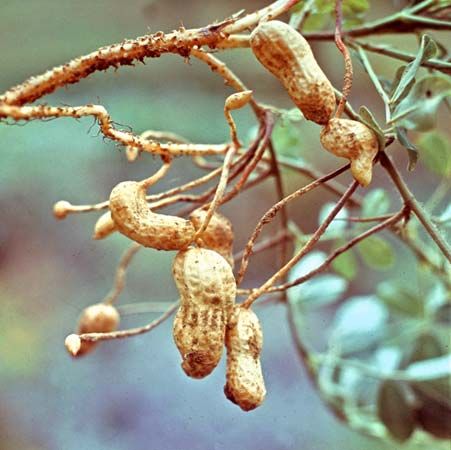
Peanuts (Arachis hypogaea) are often mistaken for true nuts, but they are actually legumes. They are considered a nutritionally dense food primarily because…
What are the nutritional benefits of peanuts, and why are they considered a healthy food?
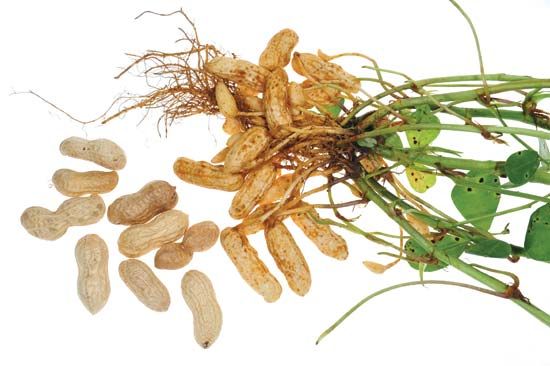
Peanuts (Arachis hypogaea) are often mistaken for true nuts, but they are actually legumes. They are considered a nutritionally dense food primarily because they are rich in protein and fat.1
Beyond their nutritional profile, peanuts are highly versatile. They are consumed boiled or roasted and are frequently processed into edible oil, which is valued for its high smoke point. In the United States, they are also widely ground into peanut butter or used in various confectionery and bakery products.1
Historically, the agricultural and industrial potential of the peanut was significantly expanded through the research of George Washington Carver, who developed hundreds of derivative products ranging from food items to soaps and plastics.1

What is the scientific name of the peanut plant, and which plant family does it belong to?
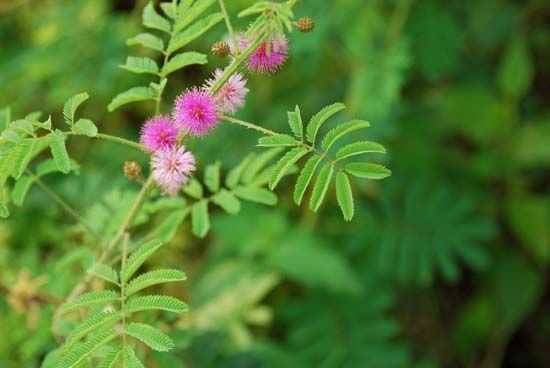
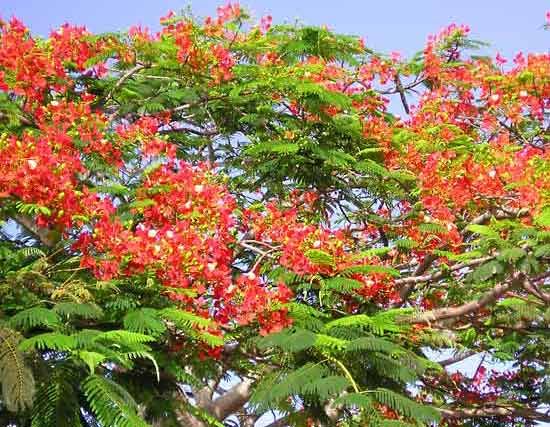
The scientific name of the peanut plant is Arachis hypogaea. It belongs to the Fabaceae family, which is also commonly known as the pea or legume family.231
What role did George Washington Carver play in promoting peanut cultivation and developing new uses for peanuts?
George Washington Carver was instrumental in transforming Southern agriculture after the American Civil War. At that time, the region was economically stagnant due to an over-reliance on cotton monoculture, which depleted soil nutrients and trapped farmers in sharecropping cycles.456
Carver urged farmers to diversify by planting peanuts, which, as members of the Fabaceae family, restored nitrogen to the soil. When farmers initially struggled to find markets for these new crops, Carver conducted extensive laboratory research to expand their commercial utility. He developed approximately 300 derivative products from peanuts, including flour, dyes, plastics, soap, and cosmetics./science/soap), and cosmetics.6
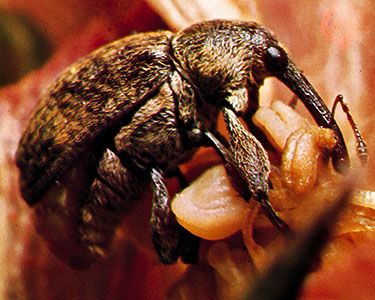
His efforts successfully helped wean the South off cotton, particularly after the boll weevil devastated cotton crops. By 1940, the peanut had become the second-leading cash crop in the South, significantly improving soil health and providing economic stability for farmers.6
What are some common peanut allergies, and why are they considered one of the most prevalent food allergies?
Peanut allergies are not categorized by “types” of allergies, but rather by the severity of the immunological response triggered by specific proteins within the peanut. When an individual with a peanut allergy consumes these proteins, their immune system mistakenly identifies them as harmful, triggering the production of immunoglobulin E (IgE) antibodies. Upon subsequent exposure, these antibodies cause the release of inflammatory molecules, leading to symptoms ranging from hives and digestive distress to life-threatening anaphylaxis.7
Peanut allergies are considered particularly significant because, unlike many other childhood food allergies that children may outgrow, a peanut allergy is frequently a lifelong condition. Furthermore, they are associated with a high risk of severe, systemic reactions. Because there is no cure, strict avoidance of the allergen is the only recommended prevention method. The prevalence and danger of these allergies are compounded by the potential for accidental ingestion, making access to emergency treatments like epinephrine critical for those affected.7
Sources
- Peanut — Encyclopædia Britannica
- Groundnut — Encyclopædia Britannica
- Fabaceae — Encyclopædia Britannica
- George Washington Carver: Top Questions — Encyclopædia Britannica
- George Washington Carver — Encyclopædia Britannica
- George Washington Carver - Weaning the South off cotton — Encyclopædia Britannica
- food allergy — Encyclopædia Britannica
Published on · 3 min read